







Uluwatu, the Bukit Peninsula
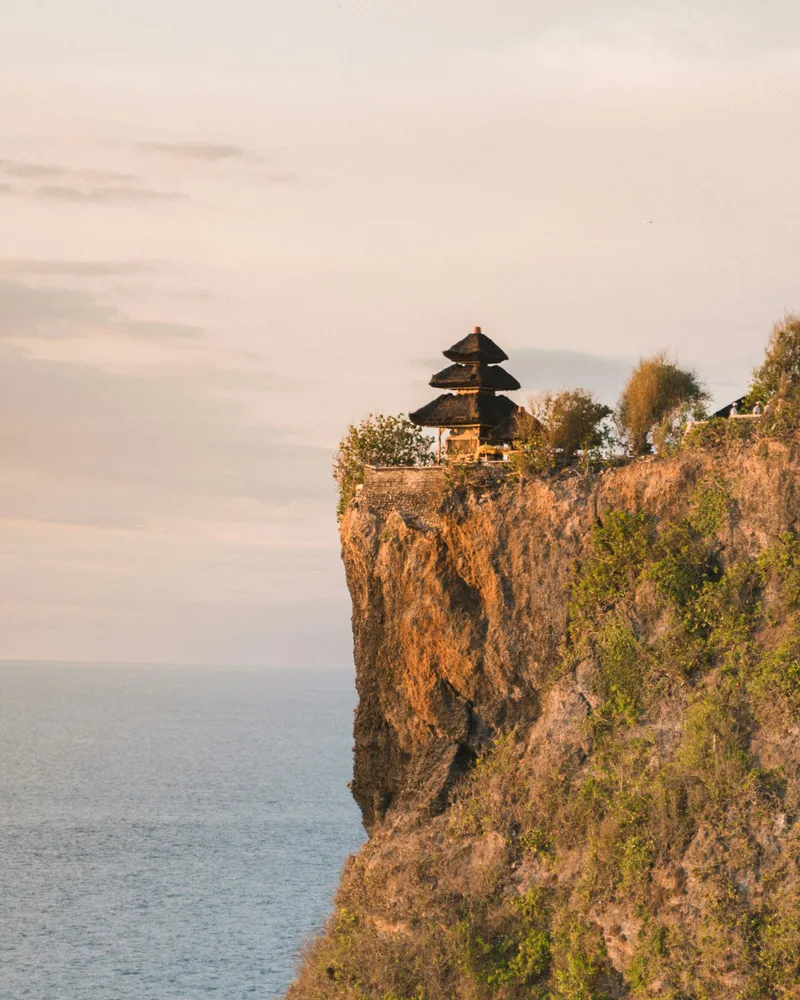
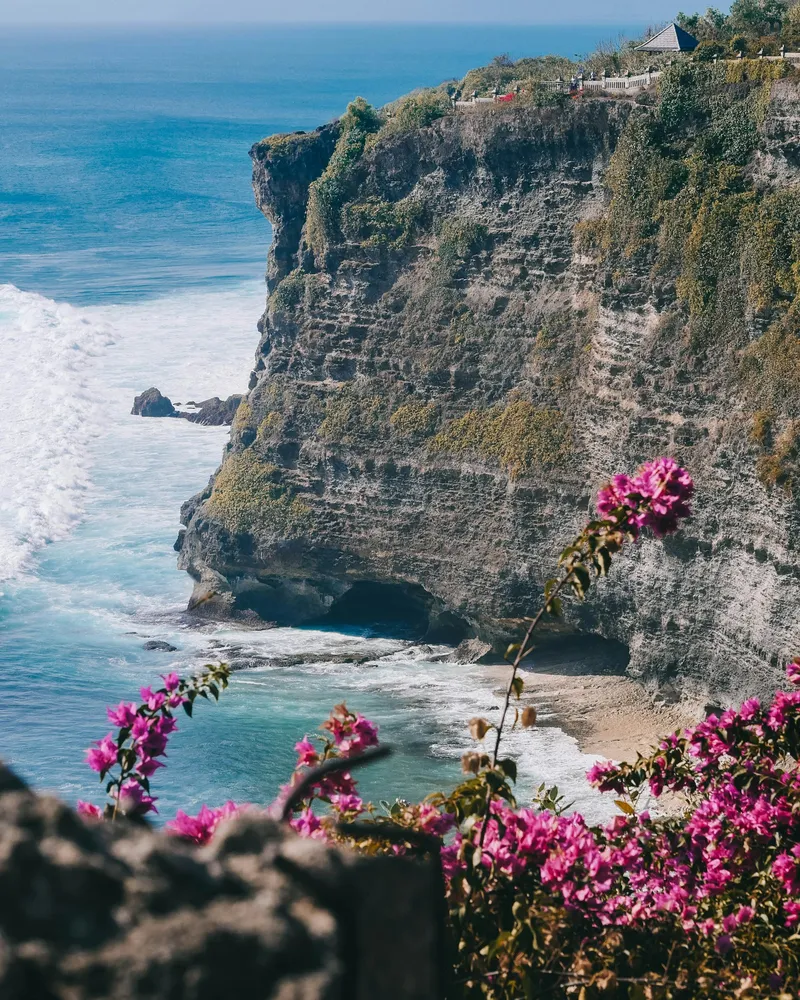
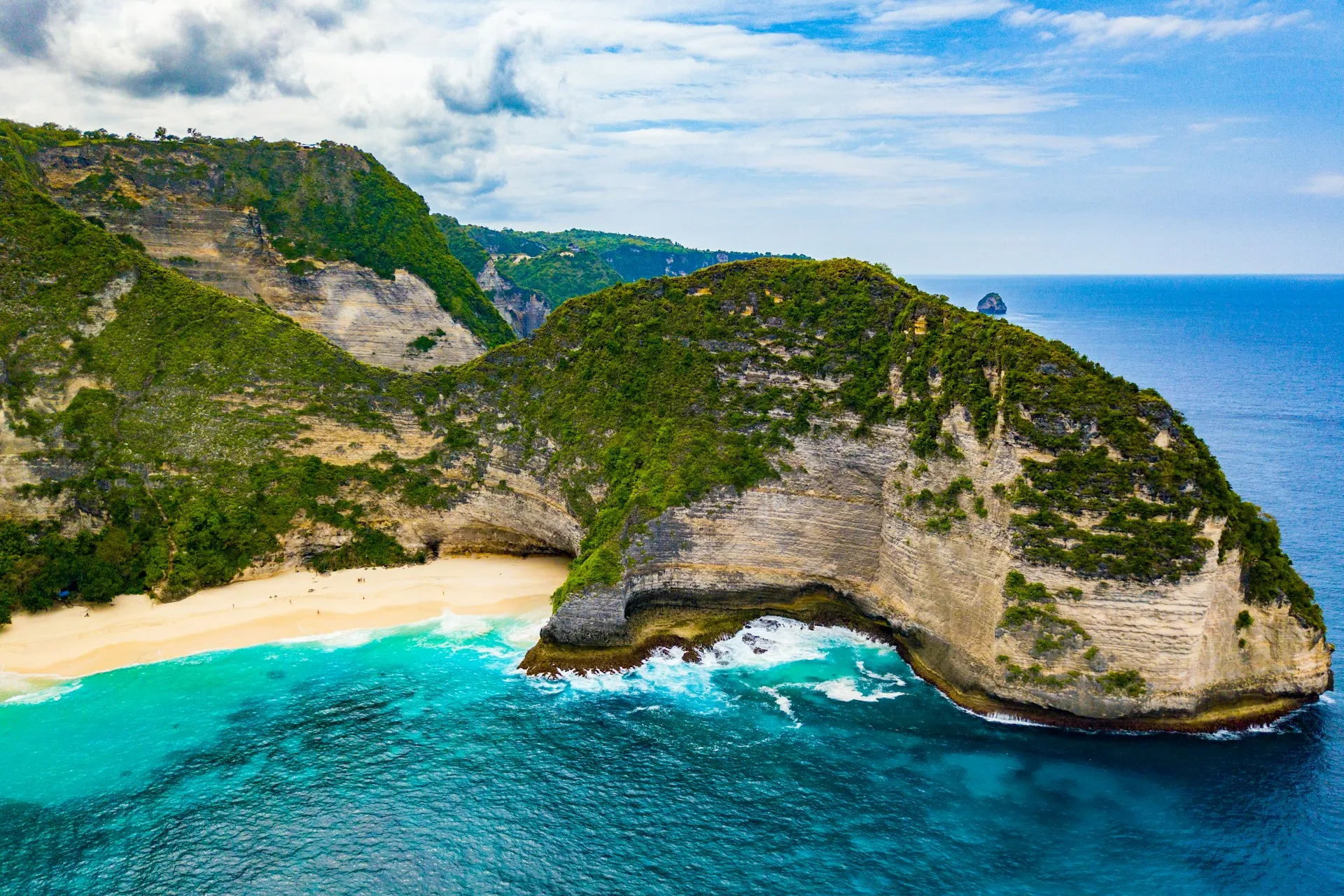
At the southwestern tip of the Bukit Peninsula, the land simply stops. Limestone cliffs drop some 230 feet straight into the Indian Ocean, the swell that surfers travel the world for rolls in below, and on the very edge of the headland stands Pura Luhur Uluwatu, one of the six great sea temples that Balinese Hindus believe guard the island from the spirits of the ocean. Its black-stone shrines and split gates are modest up close; what makes it unforgettable is the setting, a paved path running along the cliff edge with the temple at one end and nothing but ocean and sky beyond.
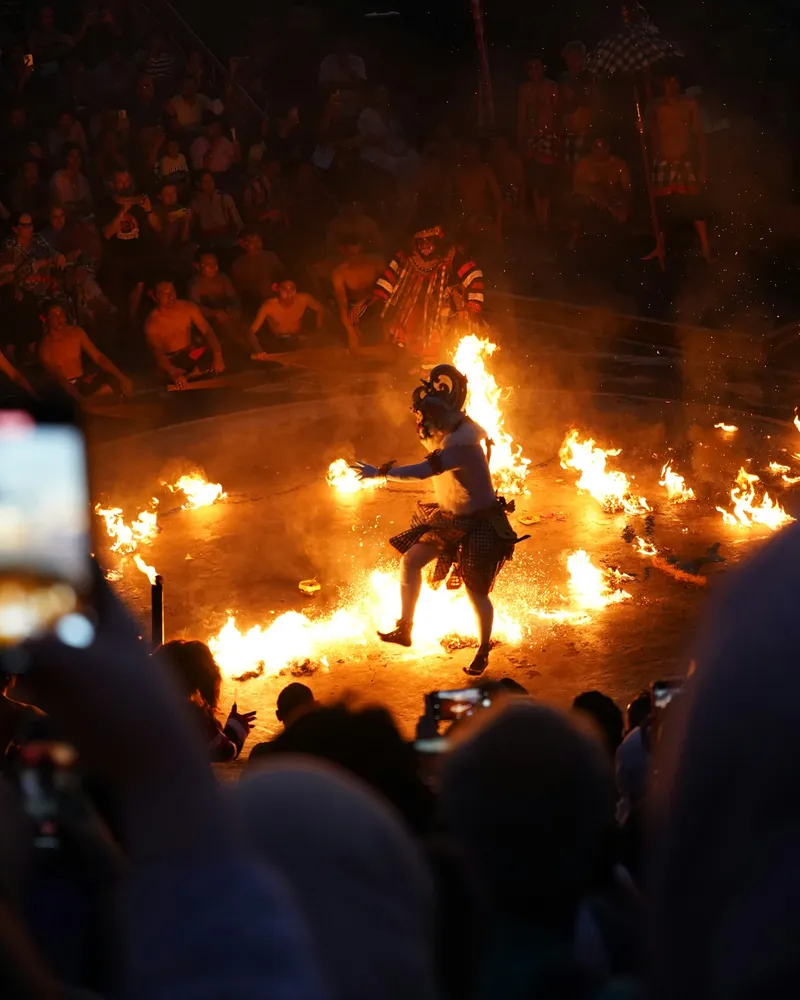
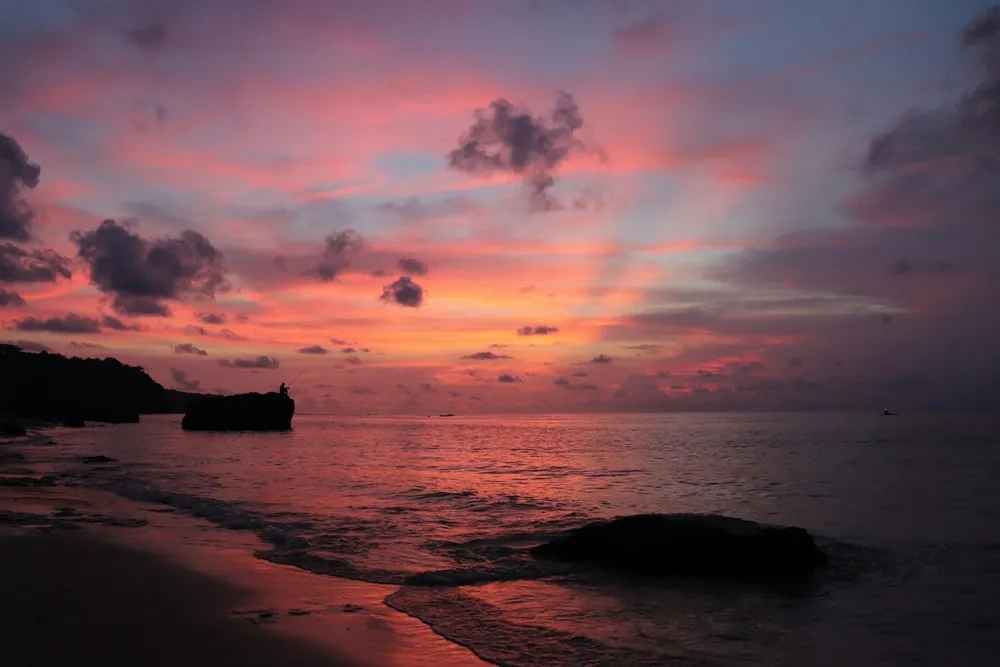
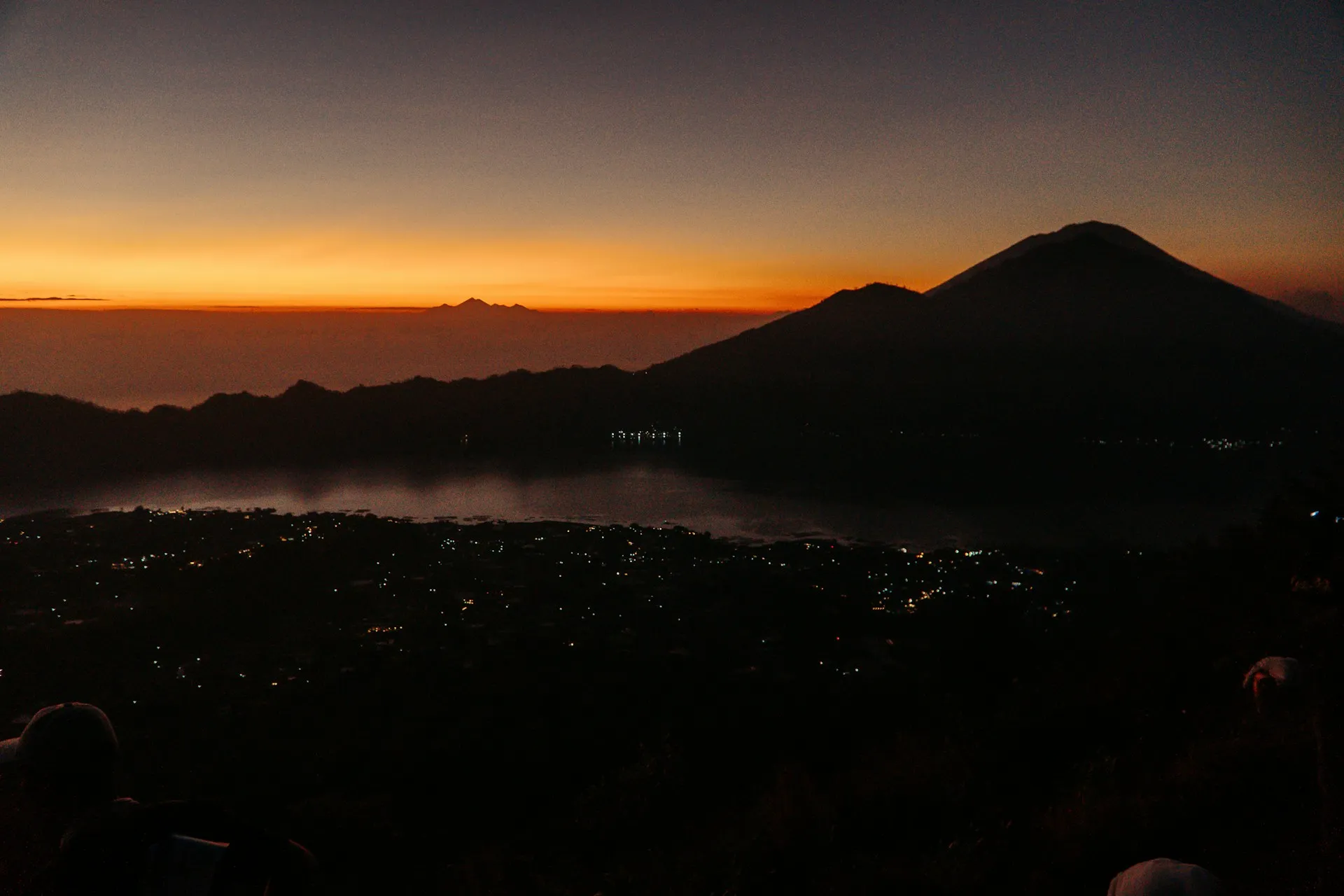
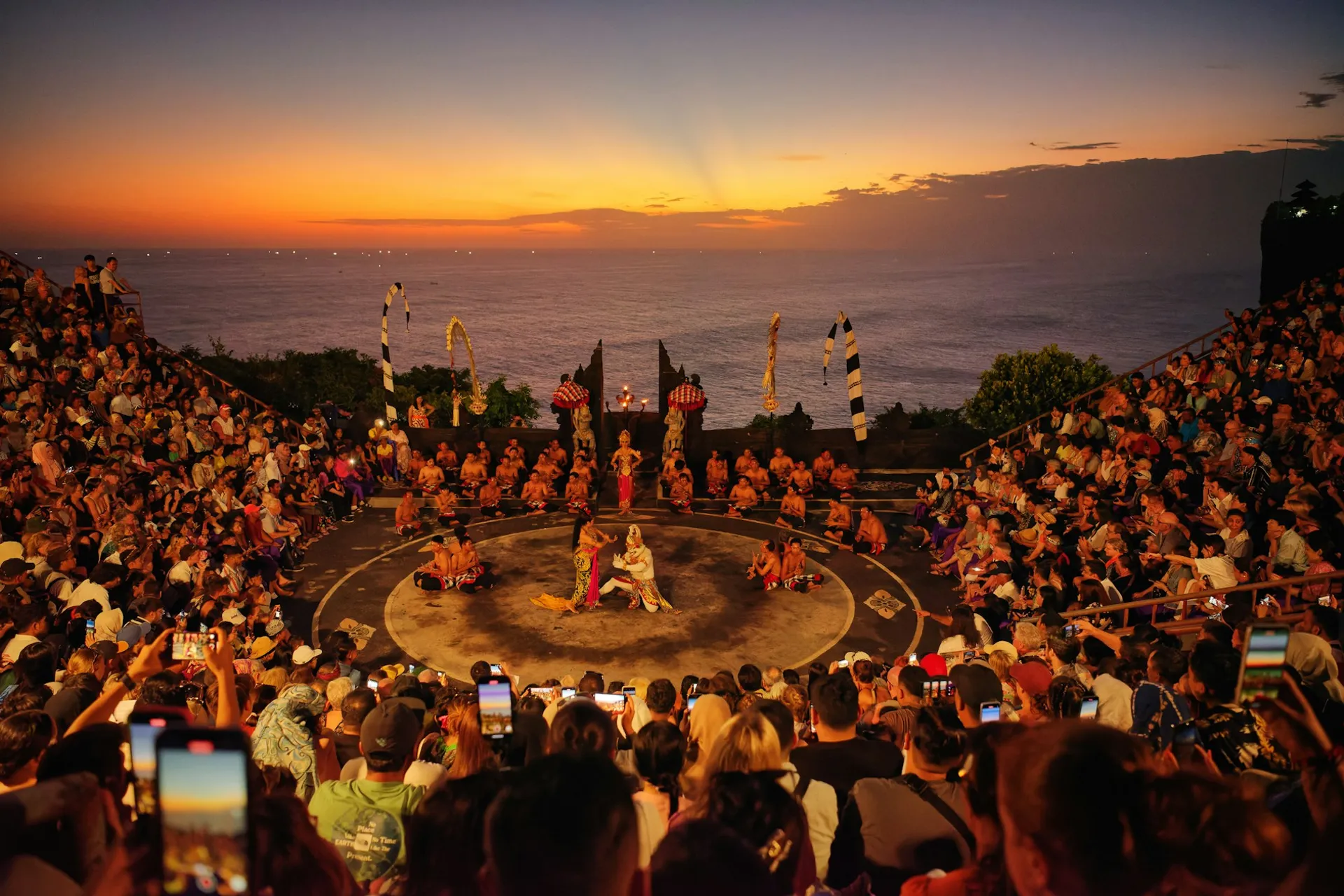
The time to come is the last hour of the day. The light turns gold, then orange, the cliffs glow, and the tour groups thin out as everyone drifts toward the small open-air amphitheater beside the temple for the kecak. This is a dance like no other on the island: no gamelan, no instruments at all, just a circle of some fifty bare-chested men chanting a hypnotic, interlocking chak-a-chak-a-chak as the story of the Ramayana unfolds in the center, the monkey god Hanuman leaping through the ring and, in the final act, through a blaze of flaming coconut husks as the sun sinks behind him.
The kecak as it is performed today is a 1930s creation, a trance chant reworked into theater, but it belongs to this cliff now, and watching it with the ocean turning dark below is one of Bali's great evenings. We book the seats and time the drive so you arrive with daylight to walk the cliff path, and we pair it with dinner afterward at a seafood warung on the sand at Jimbaran Bay, where the grilled fish and the lanterns on the beach round the day out.