









Ha Long Bay (Quang Ninh)
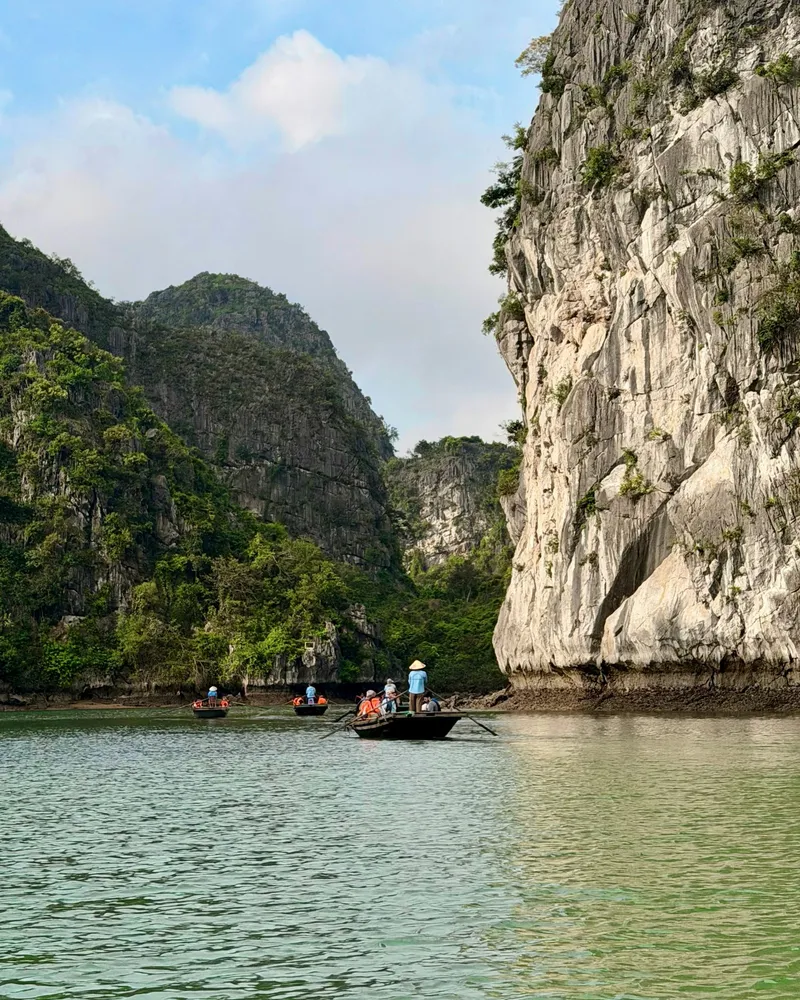
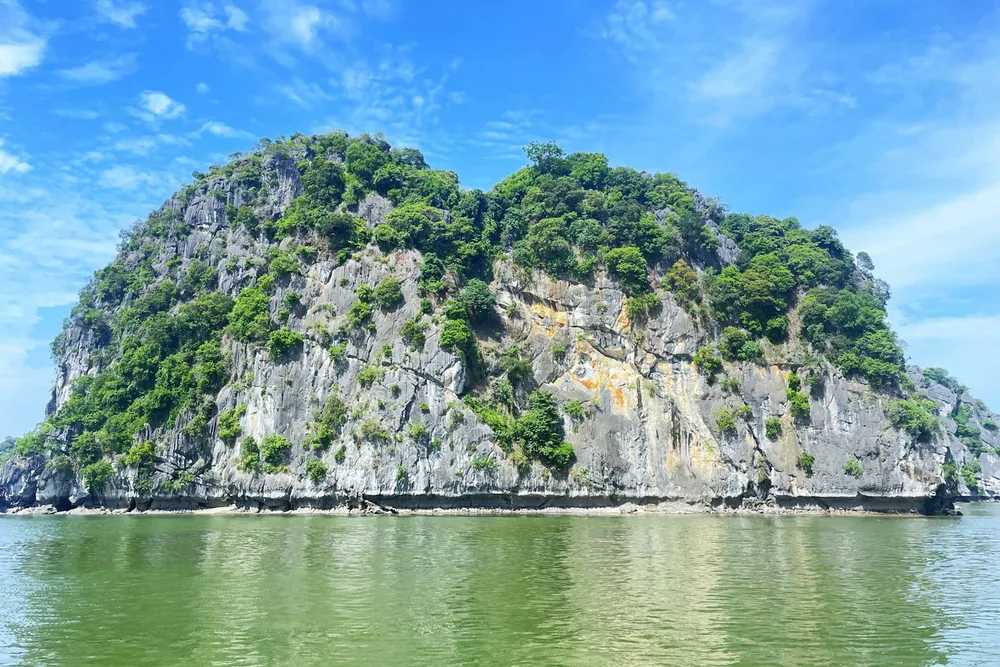
A couple of hours east of Hanoi, the road runs out at the Gulf of Tonkin and the sea takes over, studded with nearly two thousand limestone islands that rise sheer from the water like the teeth of some drowned mountain range. This is Ha Long Bay, the Bay of the Descending Dragon, a UNESCO World Heritage site and the single most famous view in Vietnam. The pillars are the remains of an ancient seabed worn into towers over millions of years, their flanks green with scrub and their feet undercut by the tide, and in the morning mist they go on and on, each ridge paler than the last.
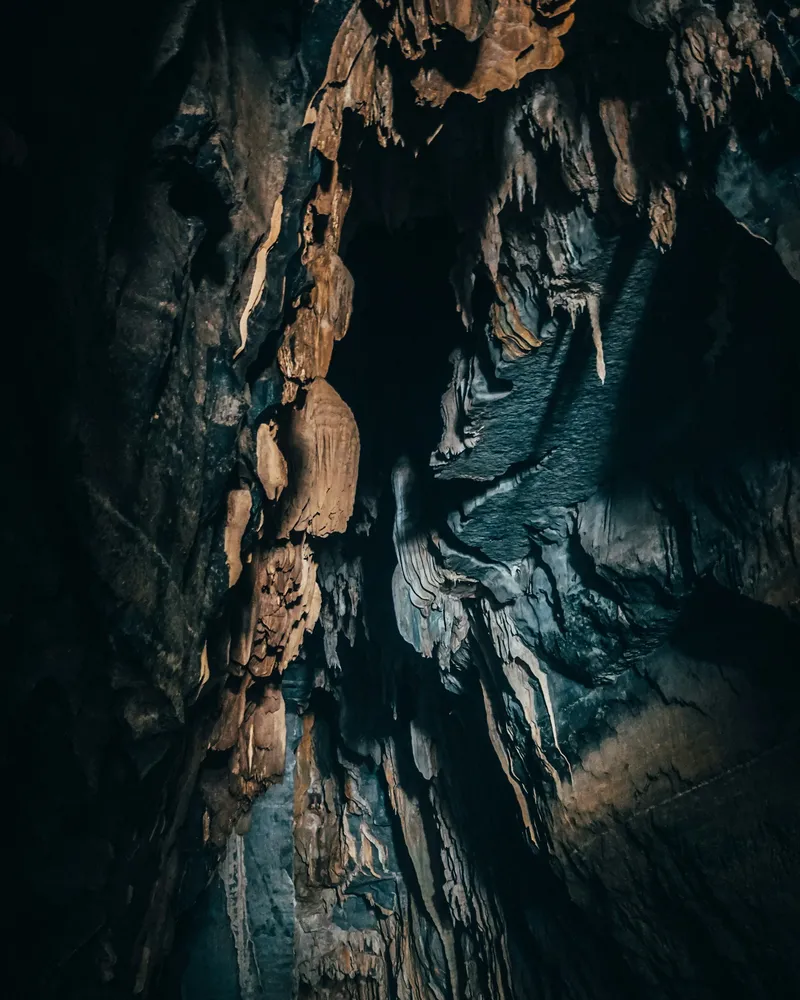
The right way to see it is from the water, overnight. Day boats skim the near edge of the bay and turn around; a night aboard a junk, the traditional wooden sailing boats now built as small floating hotels, carries you deep into the islands, past the floating fishing villages and into reaches where the daytrippers never arrive. The afternoon is for kayaking through a low arch into a hidden lagoon ringed by cliffs, climbing a path to a lookout or walking into the lit chambers of a cave; the evening is for a swim off the stern, a seafood dinner on deck and a sky that goes properly dark over the water. Dawn, with tai chi on the top deck and the pillars emerging from the mist, is the quiet reward.
The bay has grown busy, and we are frank about that. For most clients we route the cruise through Lan Ha Bay, the southern reach of the same seascape around Cat Ba Island, where the limestone is just as dramatic, the water is cleaner for swimming, and a handful of small boats share anchorages that Ha Long proper fills with dozens. Whichever bay you choose, we select a well-run boat with a good kitchen and a cabin with a balcony, time the trip for the clearest season we can, and build the drive from Hanoi into a relaxed day rather than a dash.