





Hoi An (Quang Nam)
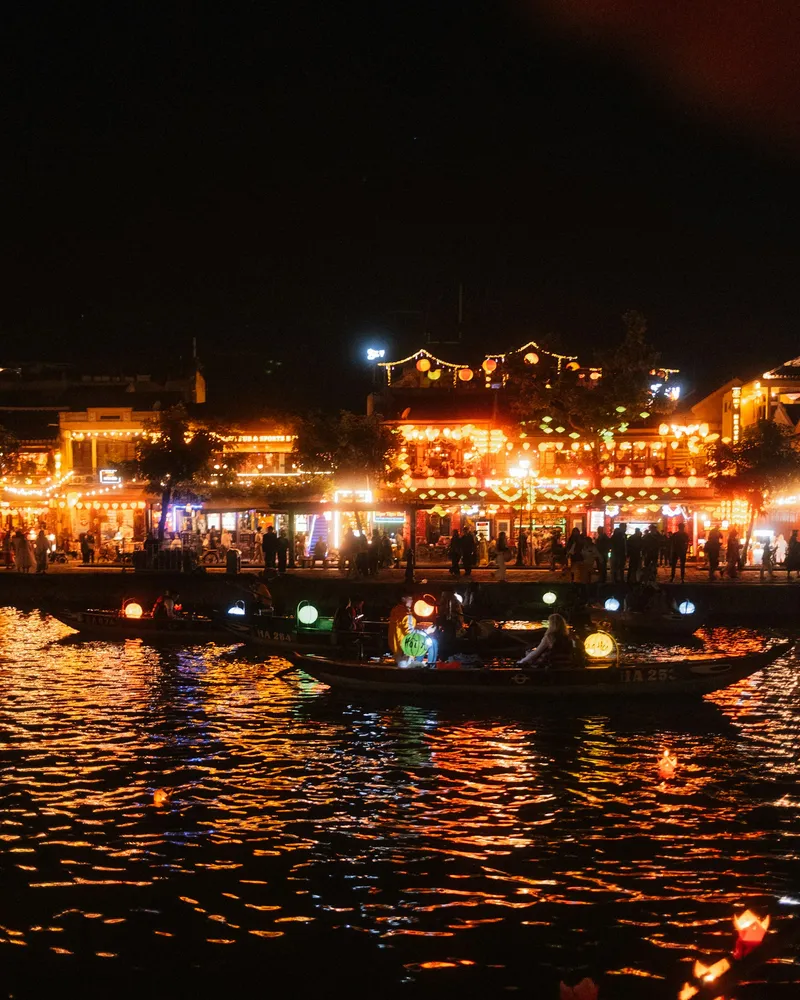
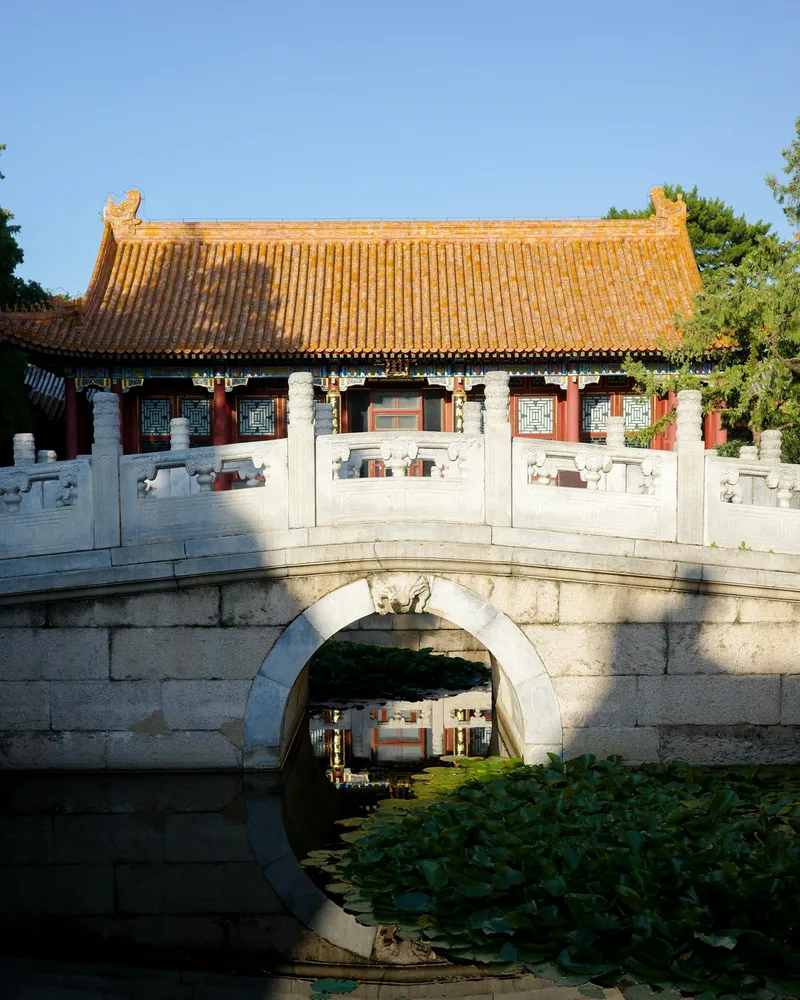
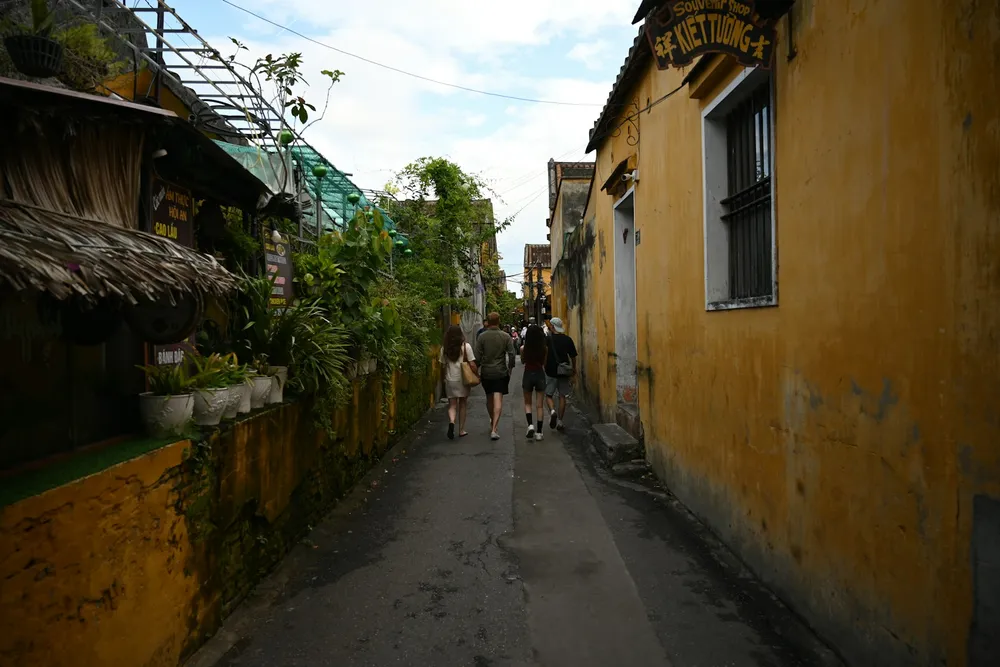
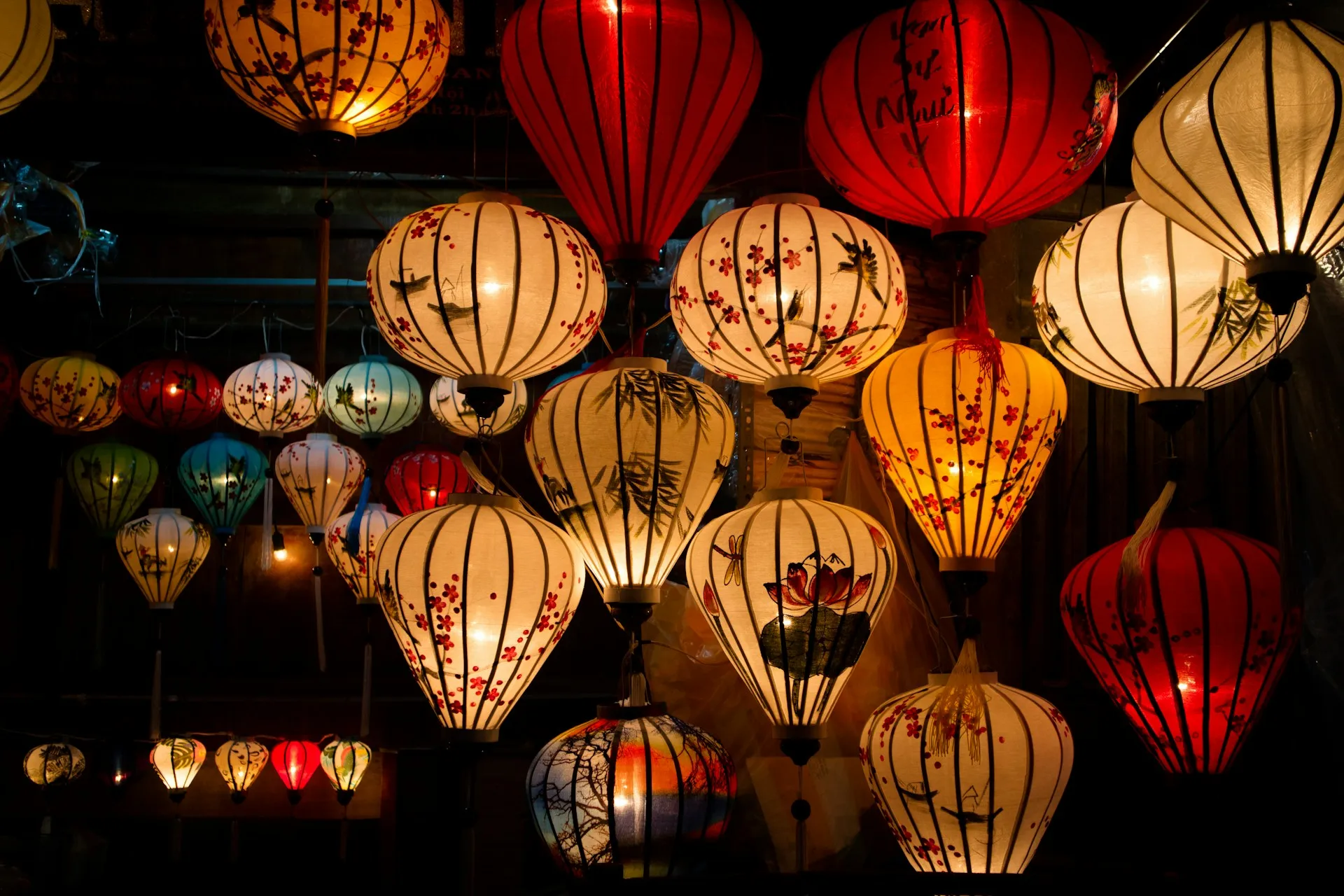
For three centuries Hoi An was one of the great trading ports of Southeast Asia, where Japanese, Chinese, Dutch and Portuguese merchants came for silk, ceramics and spices and left their marks on the waterfront. Then the river silted up, the trade moved north to Da Nang, and the town simply stopped, which is why it survives today almost intact: a UNESCO World Heritage old quarter of ochre-yellow shophouses, Chinese assembly halls, timber merchant houses and the little arched Japanese Covered Bridge, all pressed along the slow Thu Bon River. Cars are kept out of the center, and at dusk the lanes fill with silk lanterns in every color, lit one by one as the shops and cafés open their shutters to the evening.
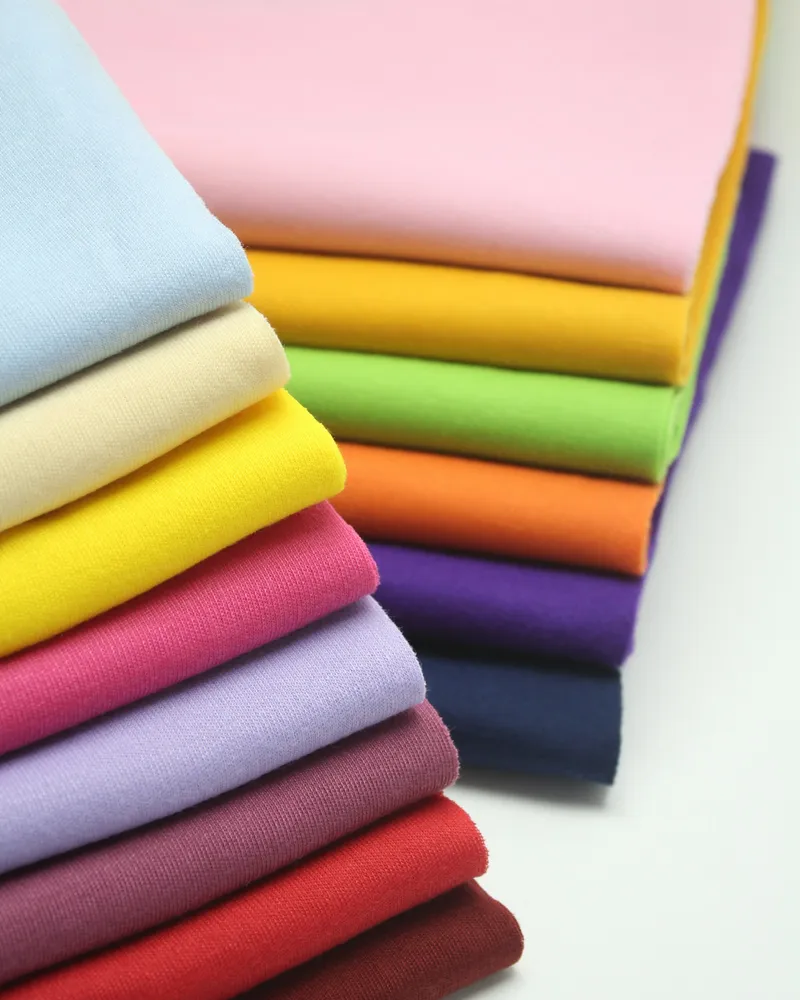
The other thing Hoi An is famous for is its tailors. The silk trade never entirely left, and the old town holds hundreds of workshops where a suit, a dress or a coat can be measured on the first afternoon, fitted the next morning and finished by the evening, cut from bolts of fabric you choose from the wall. The best of them are a joy, the kind of craft that has mostly vanished at home; the worst are tourist traps, and part of what we do is steer you to the former. A good tailor, two fittings and three nights in town is the formula that works.
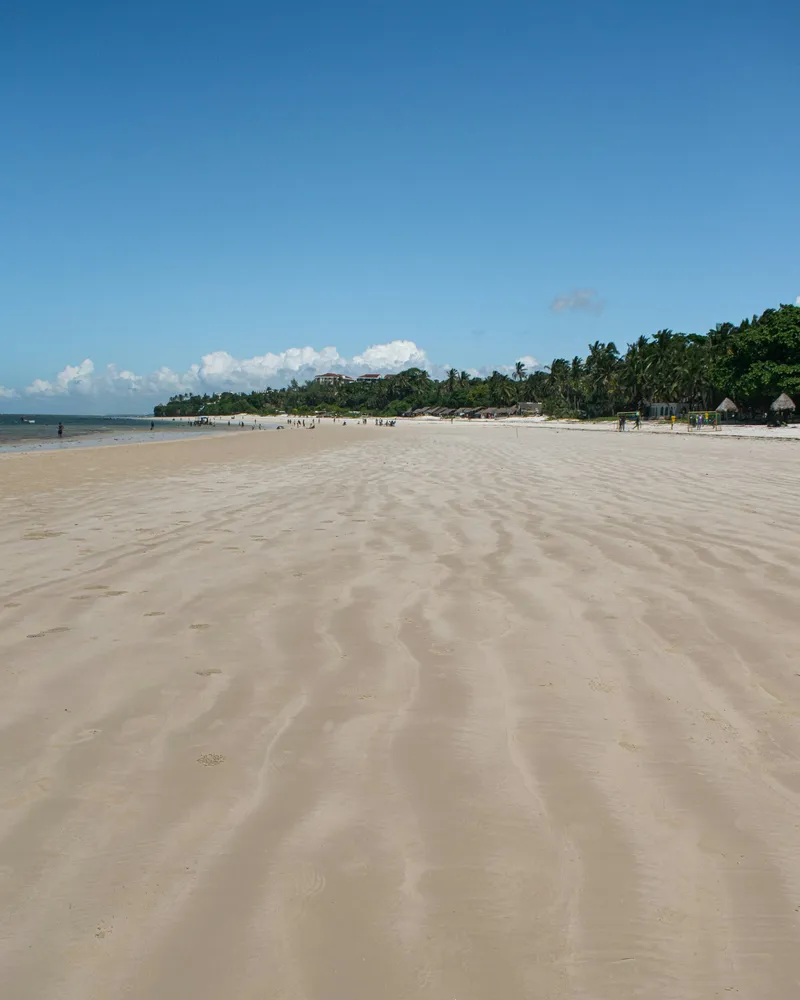
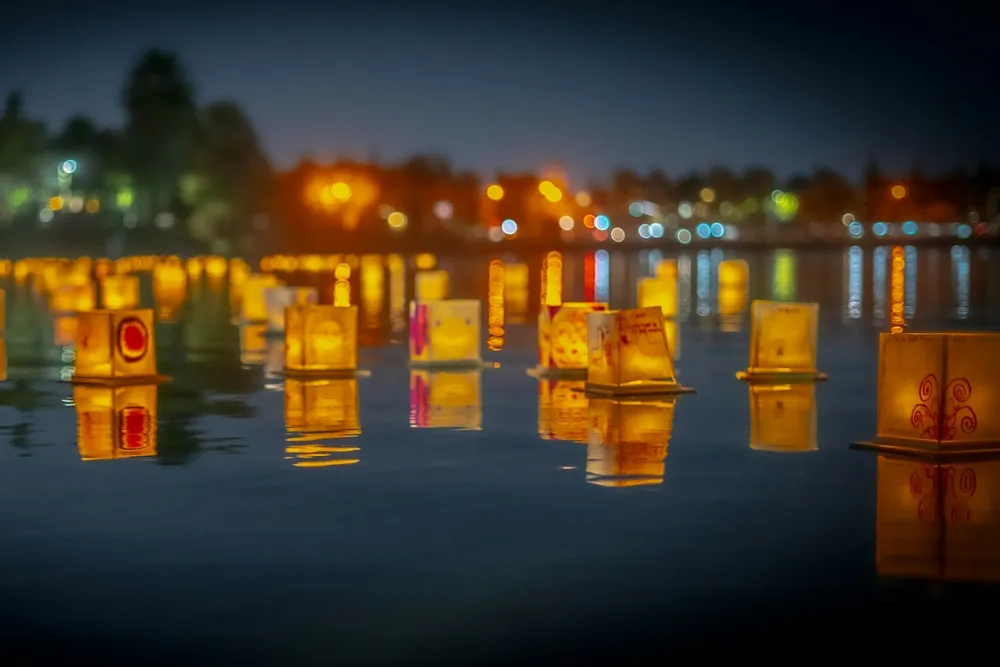
Between fittings the town rewards slowness. There is the lantern-lit river after dark, with candle boats set drifting from the quay; a cooking class that starts in the market and moves to the herb gardens of Tra Que village; the Cham temple ruins of My Son in the jungle hills an hour inland; and the wide sand of An Bang Beach a short bike ride away for the afternoons. We give Hoi An three nights in nearly every Vietnam itinerary, and it is the place clients most often ask to return to.