







Vietnam

Destinations · Asia

Vietnam.

Limestone bays, lantern-lit old towns & the best street food in Asia.

Scroll

The country

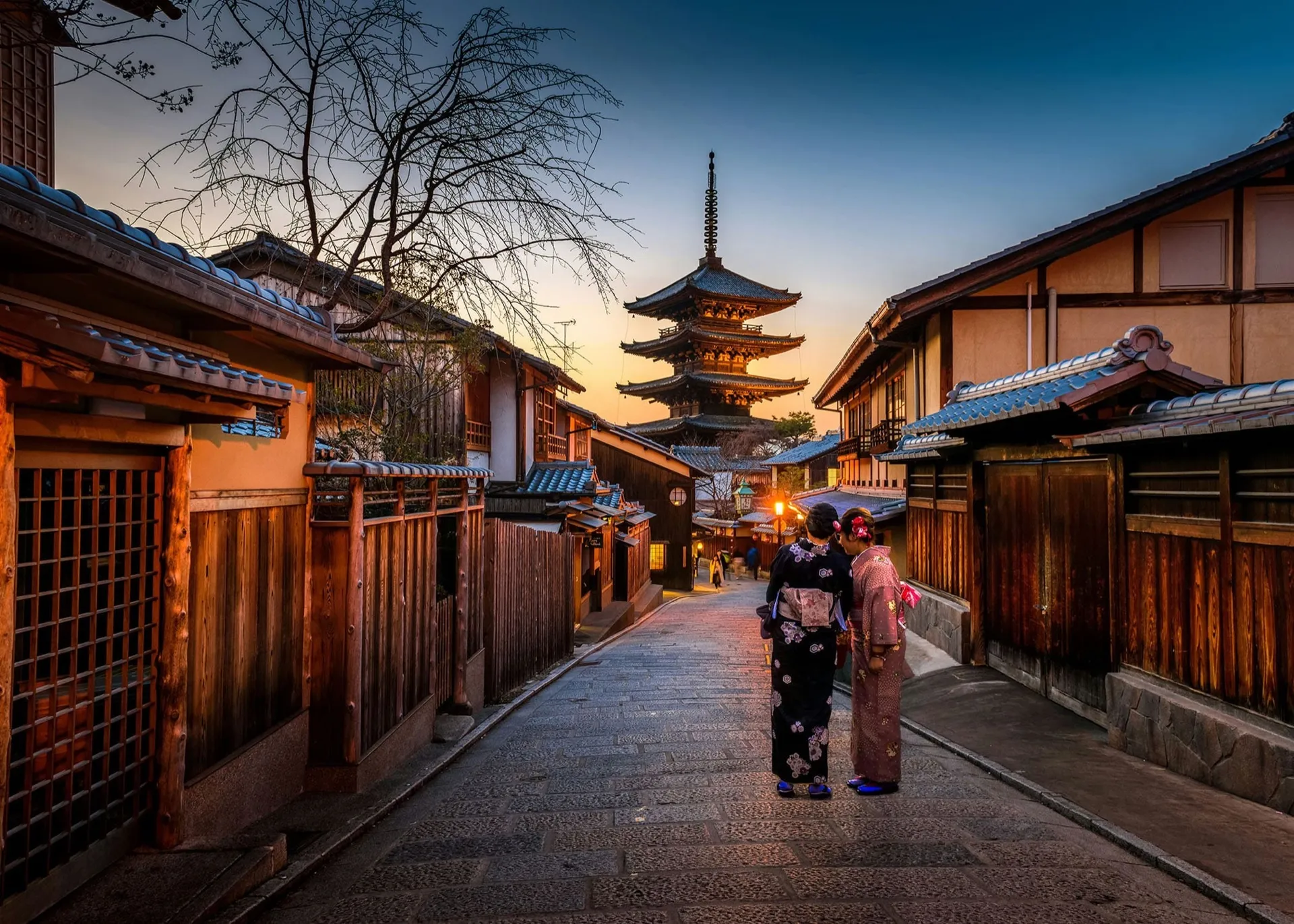
Vietnam runs more than a thousand miles from the misty limestone bays of the Chinese border to the green sprawl of the Mekong Delta, and it changes character the whole way down. In the north, Hanoi keeps its thousand-year-old habits in a tangle of lanes around a lake; in the center, the imperial capital of Hue and the lantern-lit port of Hoi An sit a scenic mountain pass apart; and in the south, Ho Chi Minh City roars with scooters and cranes before the country finally dissolves into the canals and orchards of the delta.

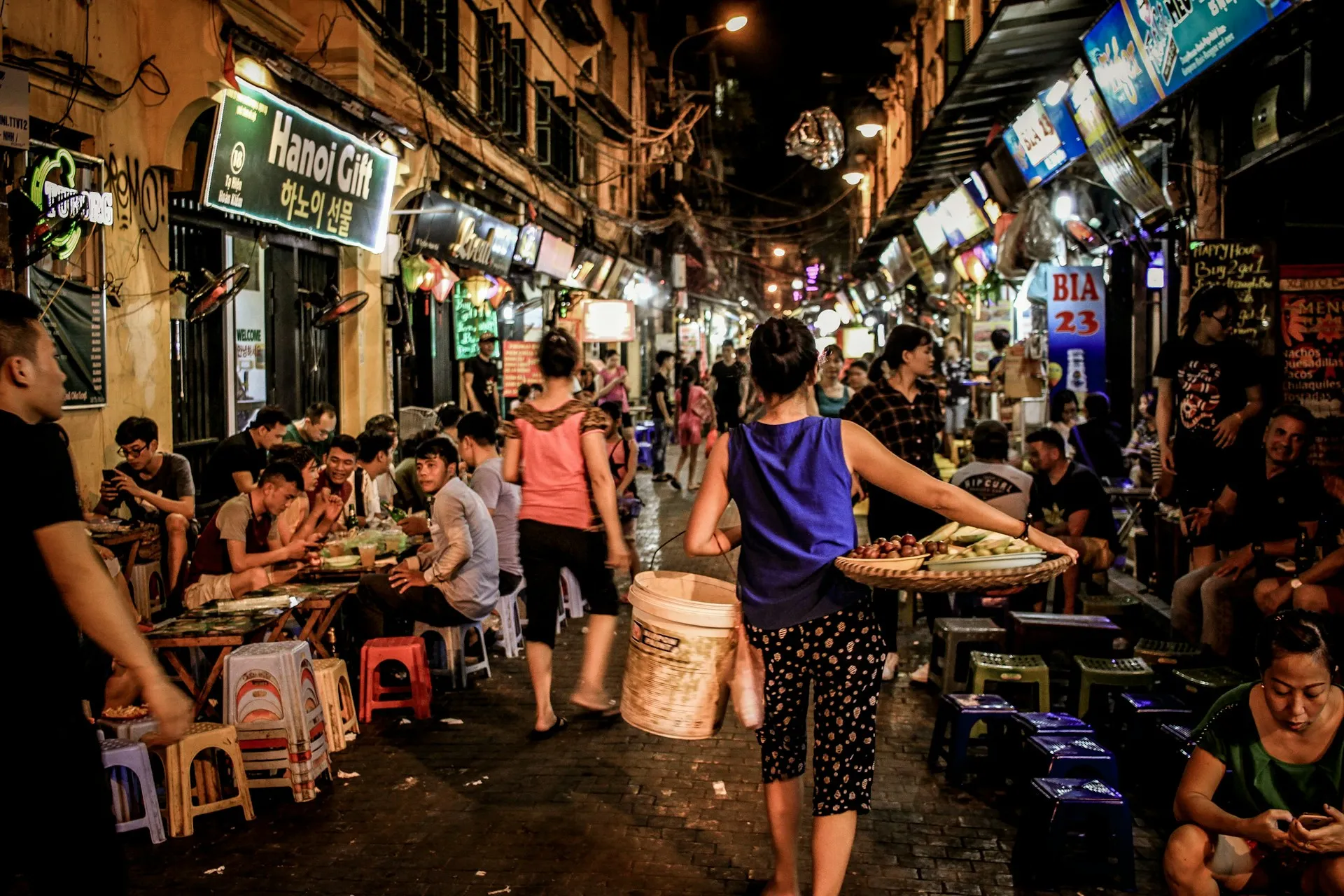
This is a place best understood through its table and its streets. A bowl of pho eaten on a plastic stool at seven in the morning, a bun cha lunch over a charcoal grill, an egg coffee in a hidden upstairs café, a glass of bia hoi on a crowded corner at dusk: the food is cheap, specific and extraordinary, and it carries the whole story of the country, from Chinese and French influences to the regional pride of three very different kitchens. Learning the rhythm of a Vietnamese day, early and unhurried, is half the pleasure.

We design Vietnam itineraries that move north to south with the geography, pairing the headline sights with the quieter moments between them: a night aboard a junk in the quiet reaches of Lan Ha Bay, a private dawn at Hue's Imperial City before the heat, a tailor fitting and a lantern-lit dinner in Hoi An, a sampan ride through the narrow canals of the delta. However you want to travel it, we build the route so each stop has room to breathe.

Capital
Hanoi
Currency
Vietnamese đồng (₫)
Ideal trip
10–14 nights
Best for
Street food, bays & lantern-lit old towns

When to go

The best time to visit Vietnam.

Vietnam is really three climates stacked end to end. The north has a cool, misty winter and a hot, wet summer; the central coast is sunniest in the months the north is wettest, then takes the typhoons in the fall; and the south is hot all year, splitting the calendar into a dry season and a rainy one. No month is perfect everywhere, so this is how we read the year across the desk, with the two spring months when the whole country lines up and the long windows that reward a well-ordered route.

Jan Feb Mar Apr May Jun Jul Aug Sep Oct Nov Dec

Prime season Shoulder Quieter & better value

March–April

Our favorite window, and the only one when all three regions agree: the north is warm and dry before the summer rains, Hue and Hoi An are sunny with the beaches opening up, and the south is still in its dry season ahead of the deepest heat. A north-to-south route works beautifully.

October–February

The north's best stretch, from crisp, clear October days to a cool, atmospheric winter in Hanoi and a misty Ha Long Bay, with the south dry and sunny throughout. The central coast is the catch: Hue and Hoi An take their heaviest rain in October and November and dry out from December. We plan around Tet, the Lunar New Year, when the country travels home and much closes for a week.

May–June

The central coast at its brightest, with long sunny days on the beaches at Hoi An and Da Nang and good value in the north before the heat peaks. Hanoi grows hot and humid through June, and in the south the rains begin as short, heavy afternoon bursts that clear quickly.

July–September

The monsoon months in the north and south: hot, humid and prone to downpours in Hanoi and Saigon, with the delta at its most flooded and green. The center stays sunny through August, then typhoon season arrives along the coast in September. A quiet, good-value season for those who plan the route around it.

Where to go

The regions of Vietnam.

Vietnam is a long, thin country, and its regions read almost like chapters in a book, from the old lanes and limestone bays of the north through the imperial and merchant towns of the center to the big-city energy and river country of the south. These are the places we weave together most often, each with its own scenery, table and pace, and we shape the route around the rhythm you have in mind.

Hanoi

Region

Hanoi

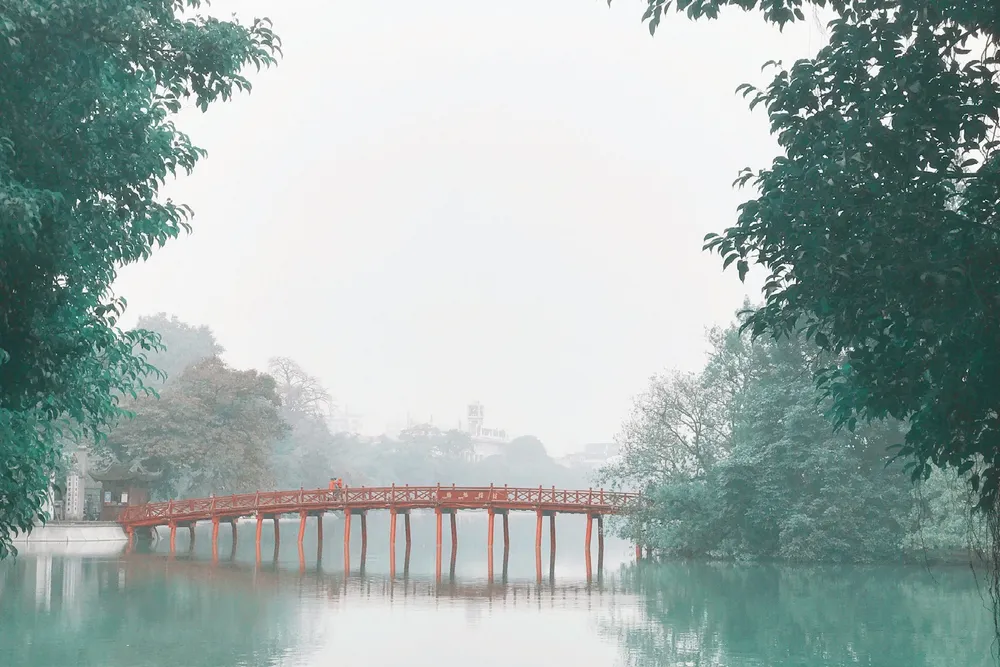
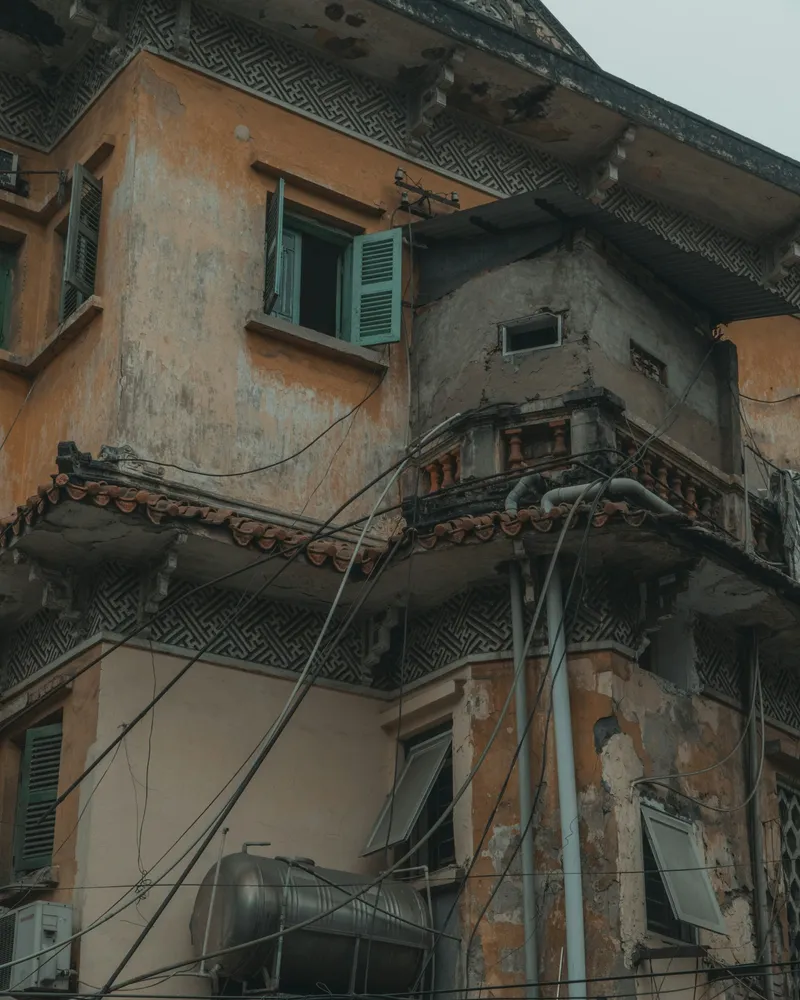
The thousand-year-old capital: a maze of Old Quarter lanes around Hoan Kiem Lake, French colonial villas and tree-lined boulevards, the Temple of Literature and the Ho Chi Minh Mausoleum, and the finest street food in the country eaten on tiny stools.
Ha Long Bay

Region

Ha Long Bay

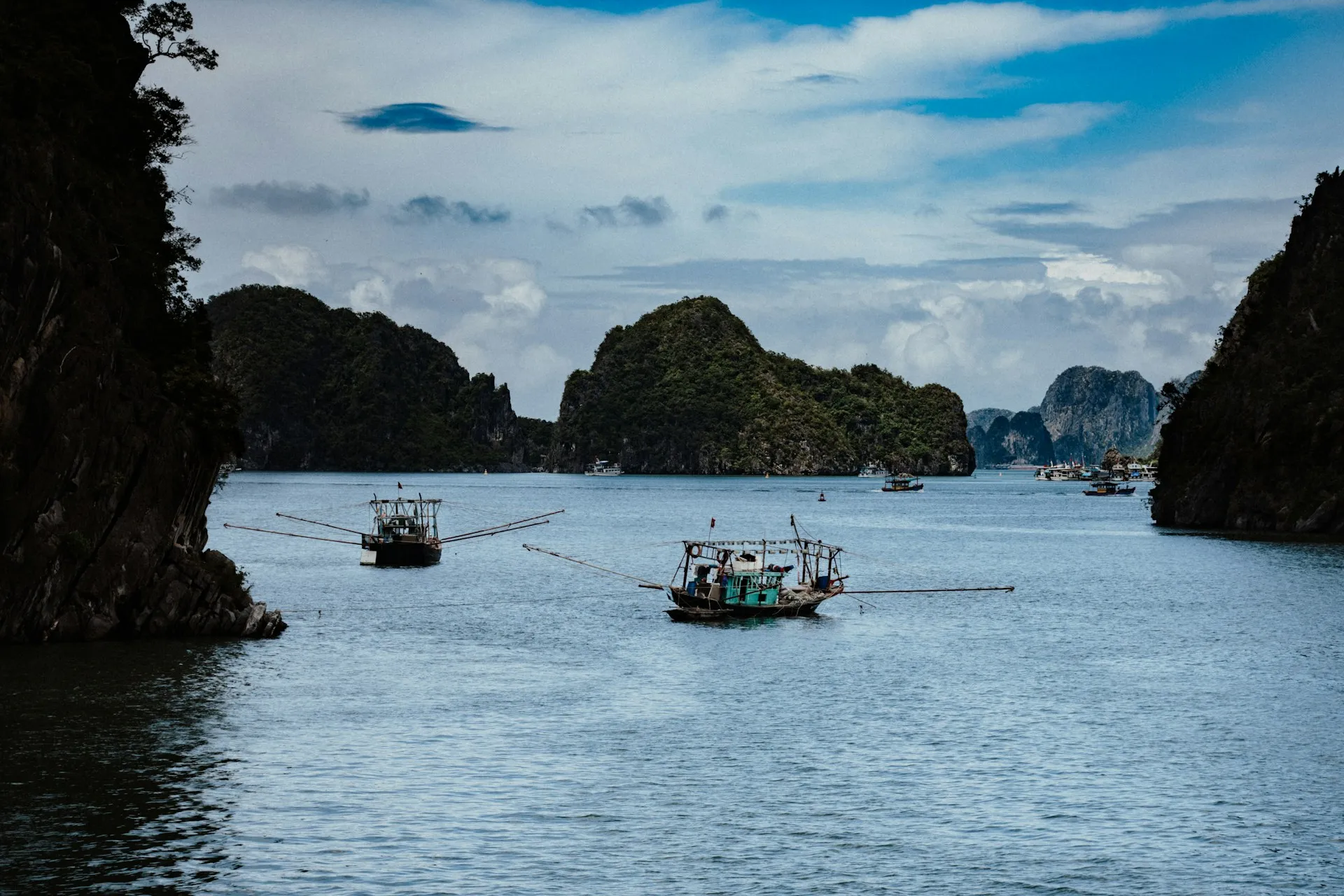
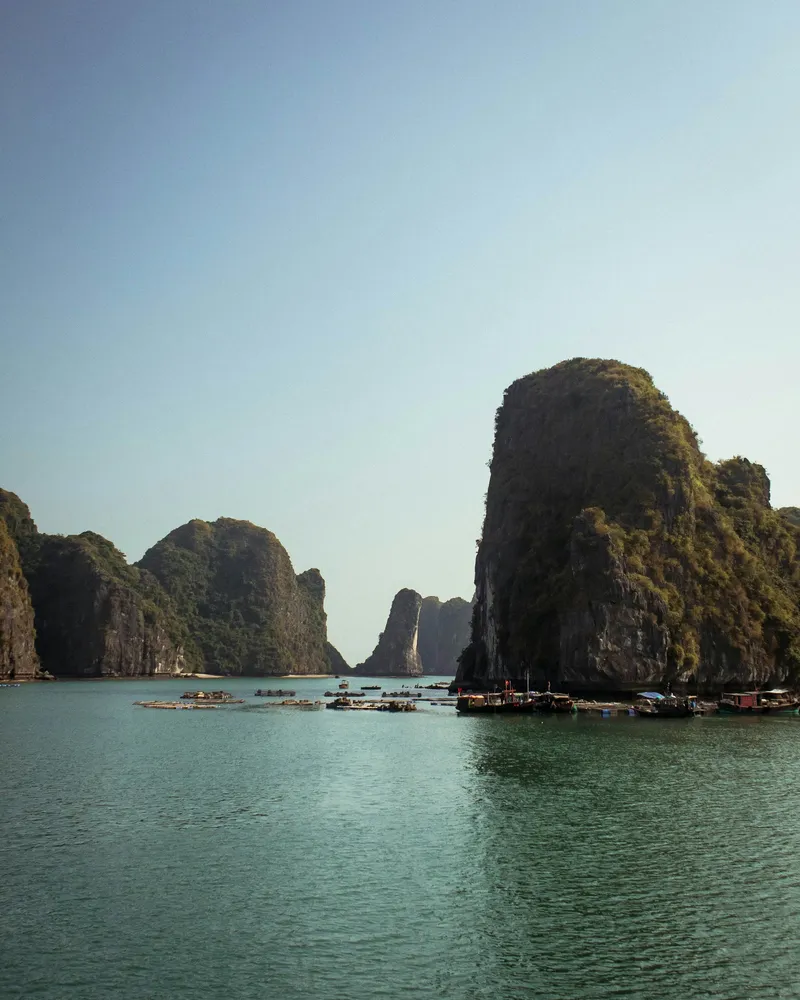
The great seascape of the north, a couple of hours east of Hanoi: nearly two thousand limestone pillars rising from emerald water, hidden lagoons and floating villages, best seen from the deck of an overnight junk, with quieter Lan Ha Bay just to the south.

Hue & the Central Coast

Region

Hue & the Central Coast

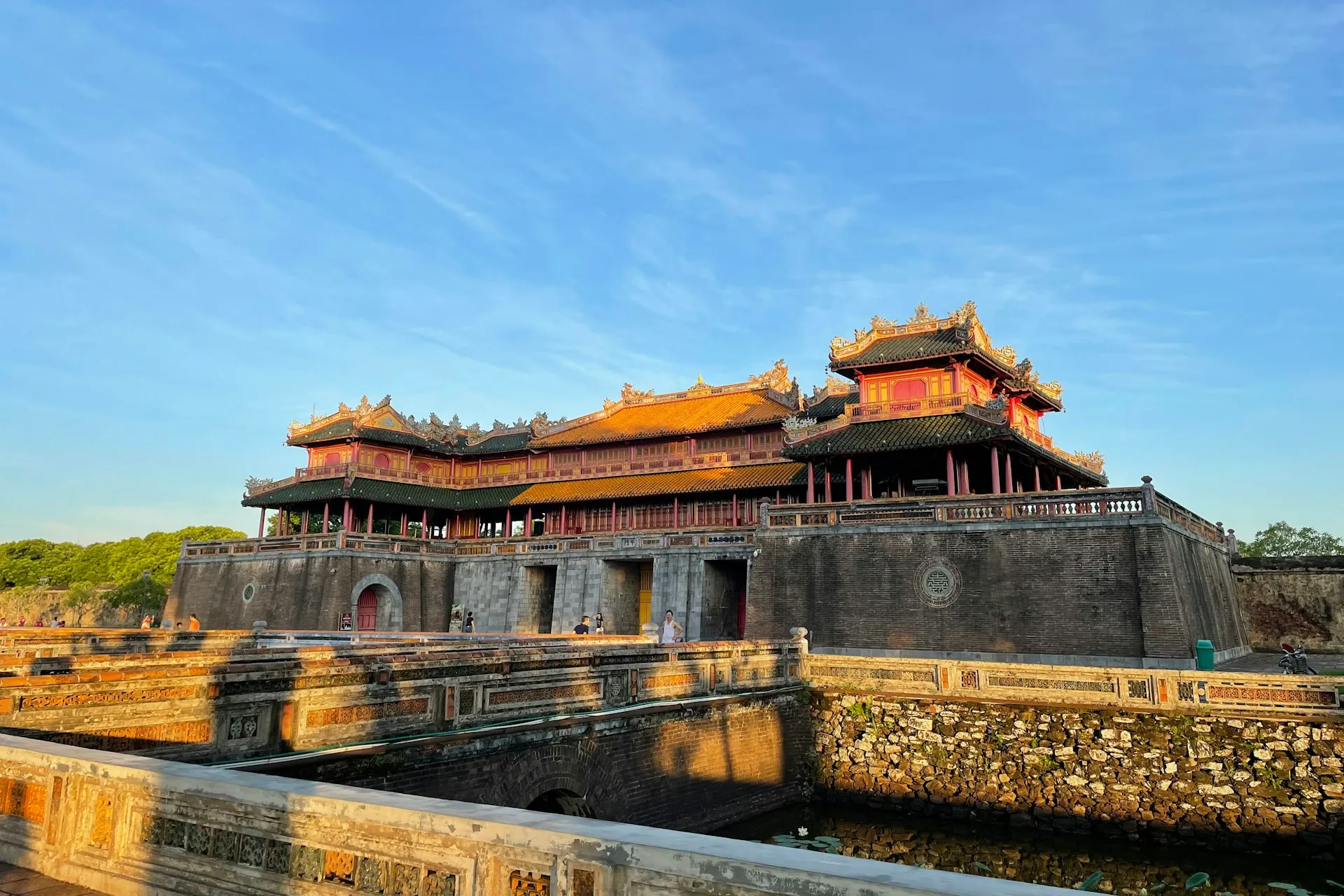
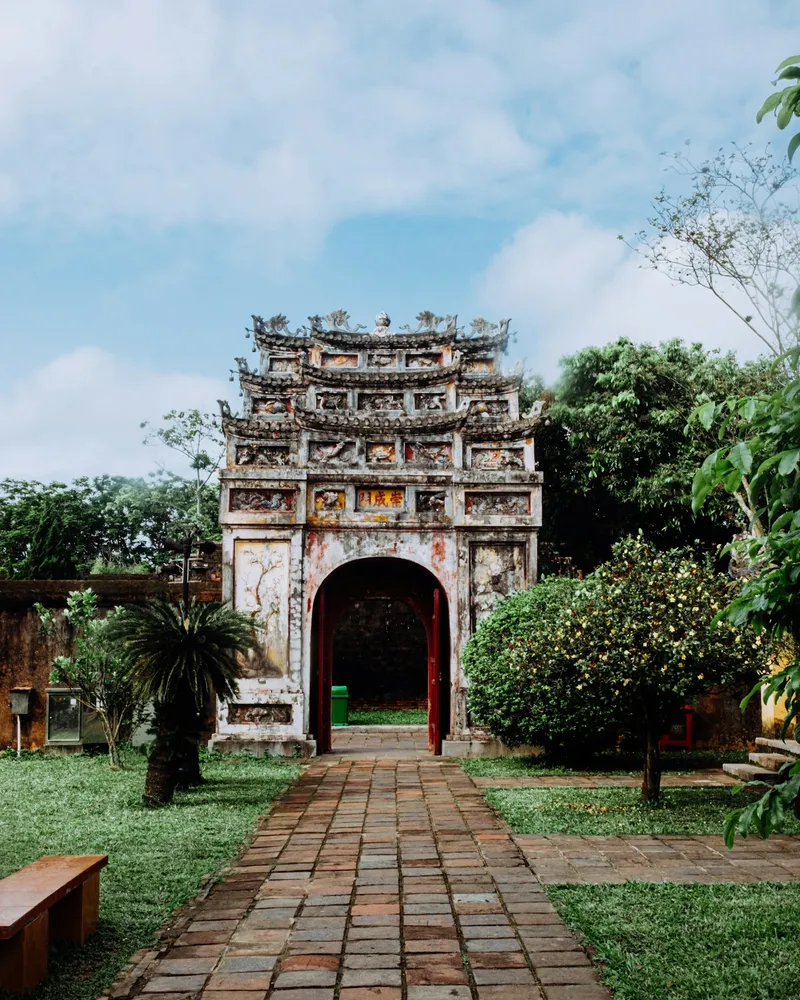
The old imperial capital on the Perfume River, where the walled Imperial City, the royal tombs and the Thien Mu Pagoda recall the Nguyen emperors, with the cloud-wrapped Hai Van Pass winding south along the coast toward Da Nang.

Hoi An & Da Nang

Region

Hoi An & Da Nang

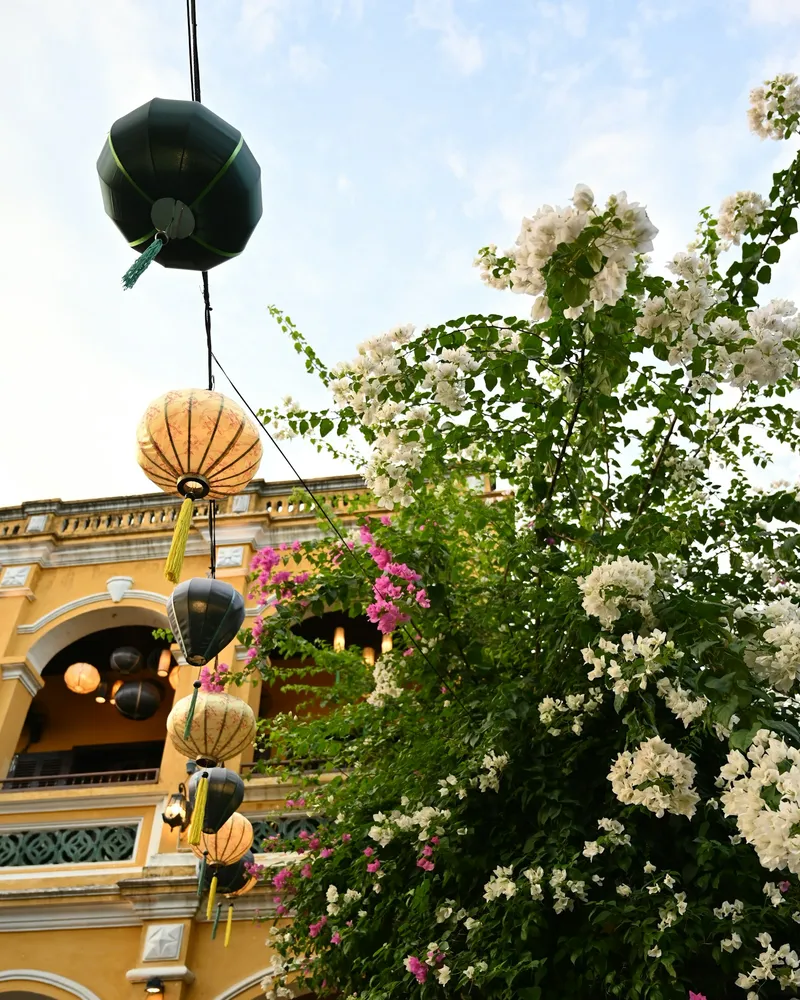
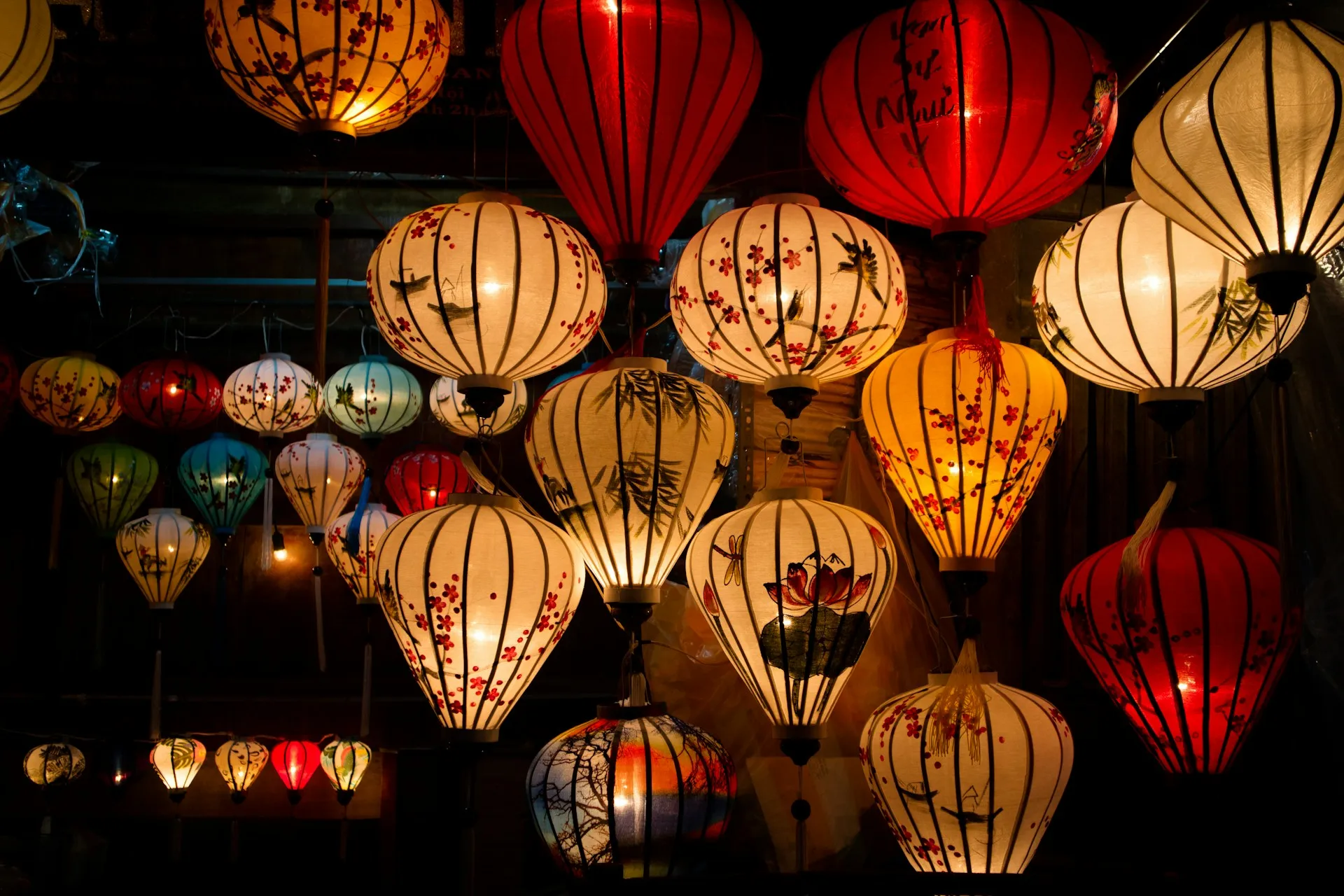
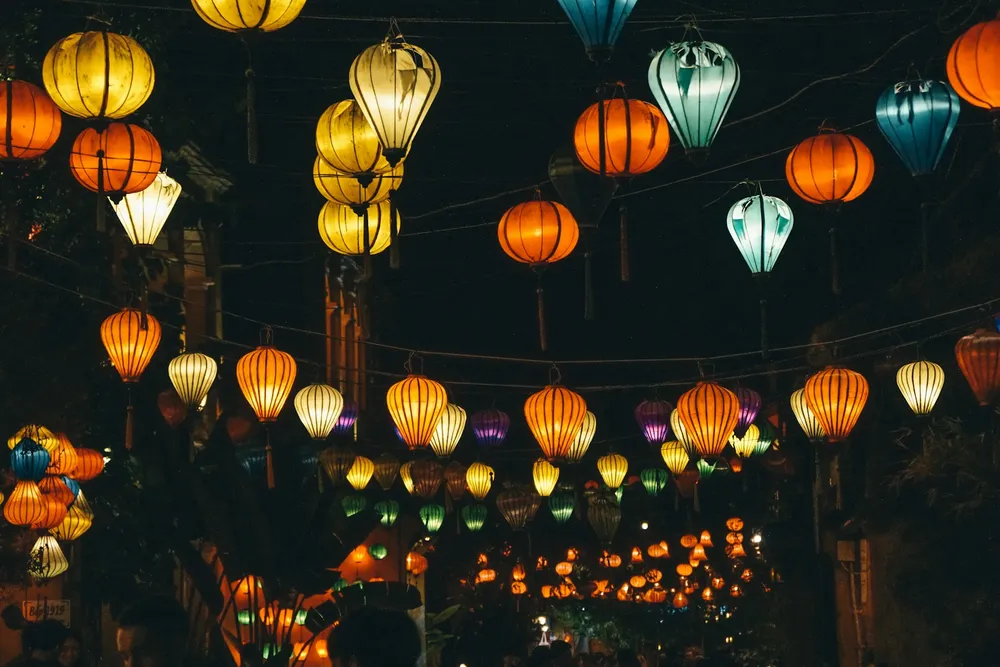
The lantern-lit merchant town of Hoi An, a UNESCO old port of yellow shophouses, tailors and riverside cafés, with the long beaches and modern bridges of Da Nang just up the road and the Cham ruins of My Son in the hills behind.

Ho Chi Minh City & the Mekong Delta

Region

Ho Chi Minh City & the Mekong Delta

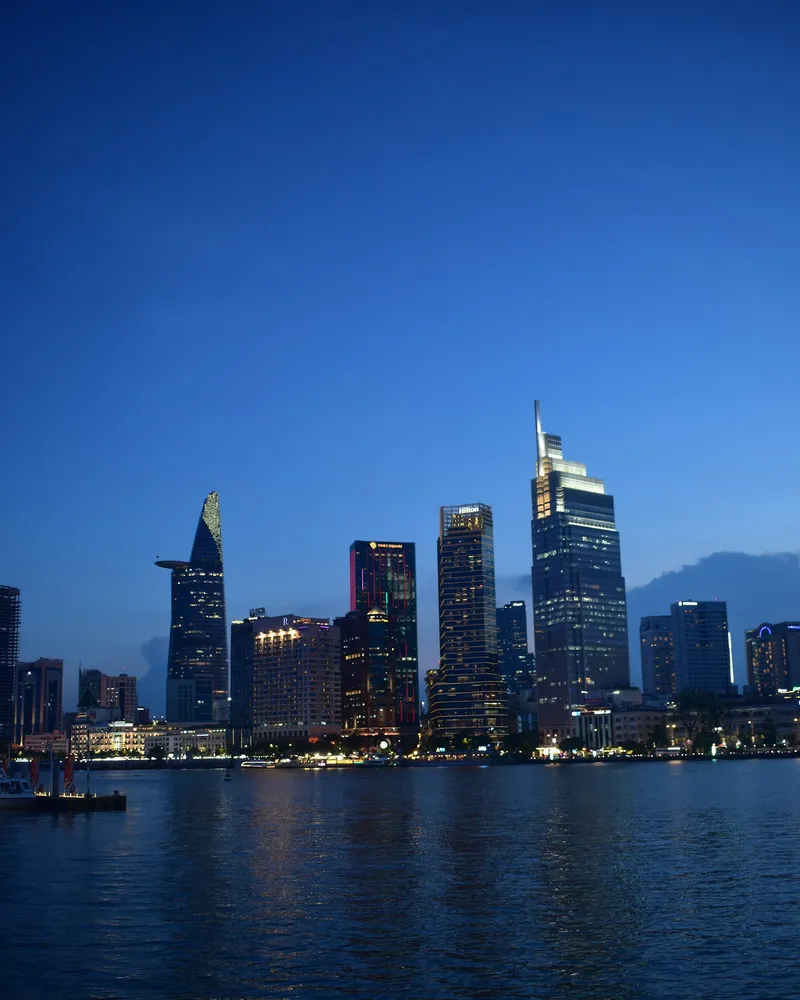
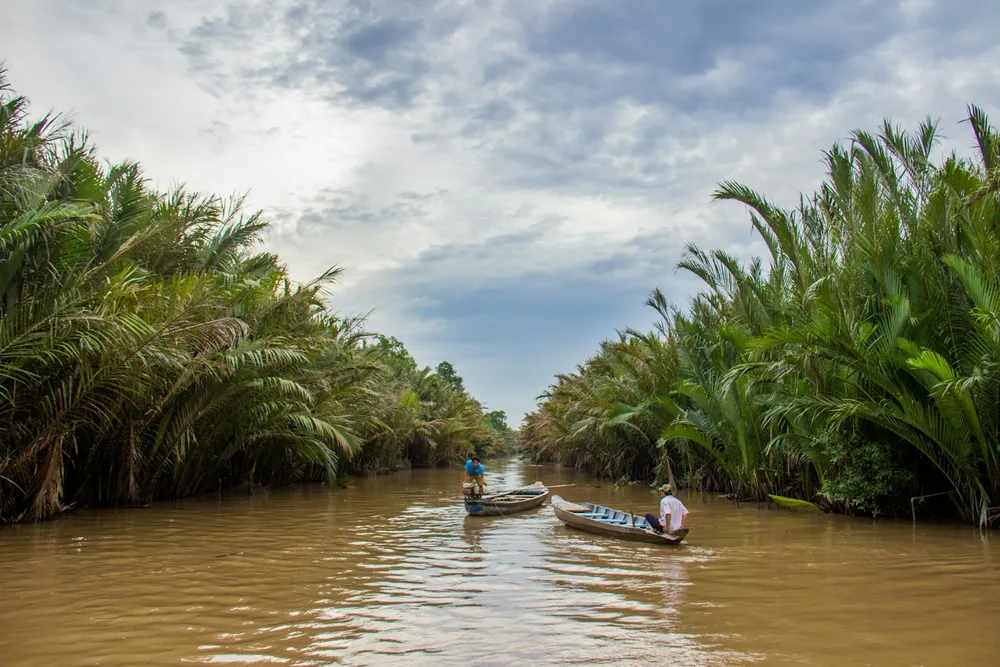
The restless southern metropolis still called Saigon by most, all scooters, rooftop bars, French landmarks and war history, with the slow green waterworld of the Mekong Delta, its floating markets, orchards and sampan canals, a few hours south.

A sample journey

One way to spend a week in Vietnam.

  1. Hanoi 1
    Days 1–3

    Hanoi

    Begin in the capital: the lanes of the Old Quarter and the lake at dawn, the Temple of Literature and the Ho Chi Minh Mausoleum, a water-puppet show at dusk and long evenings of pho, bun cha, egg coffee and bia hoi on tiny stools, with a guide to read the streets.

  2. Ha Long Bay 2
    Day 4

    Ha Long Bay

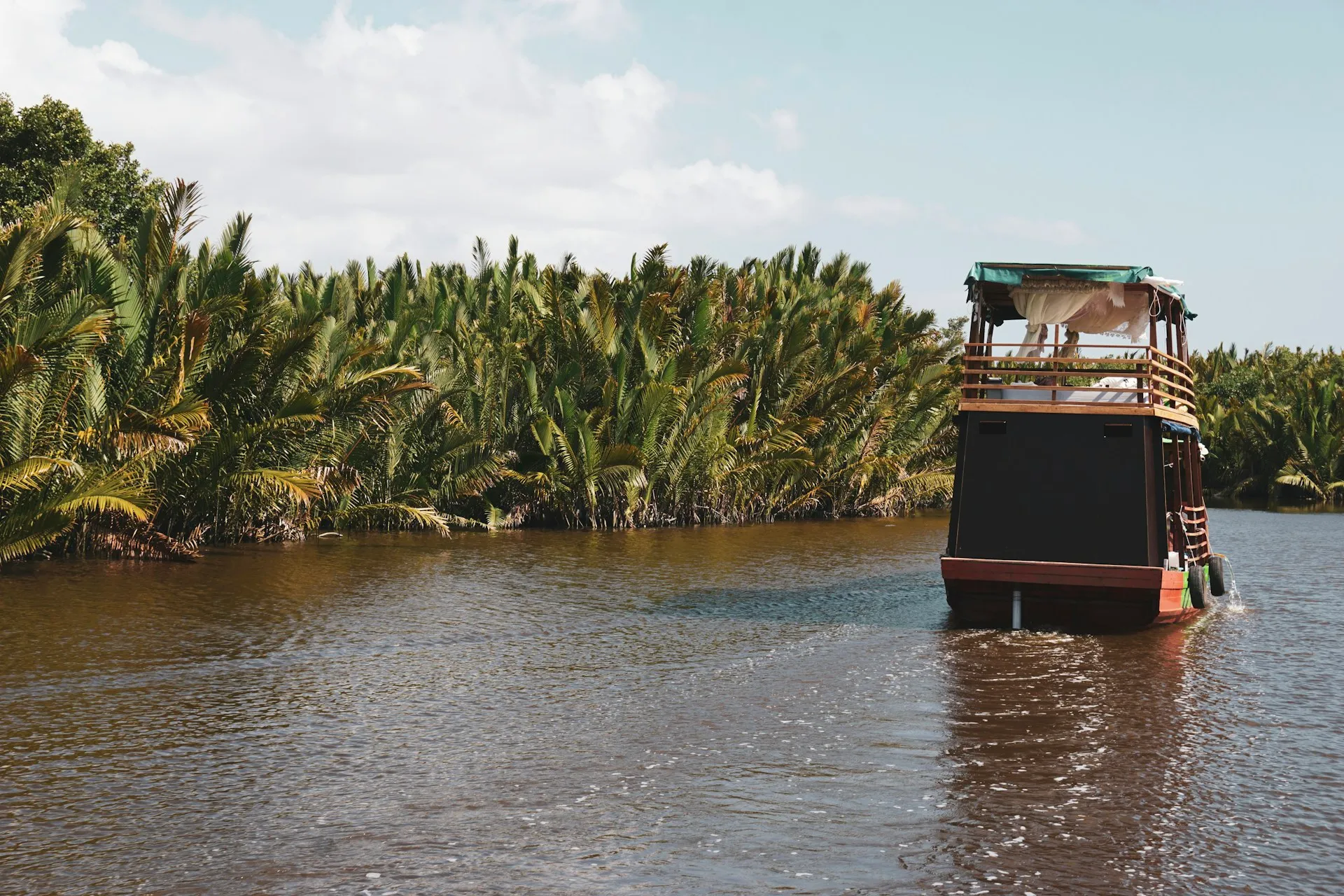
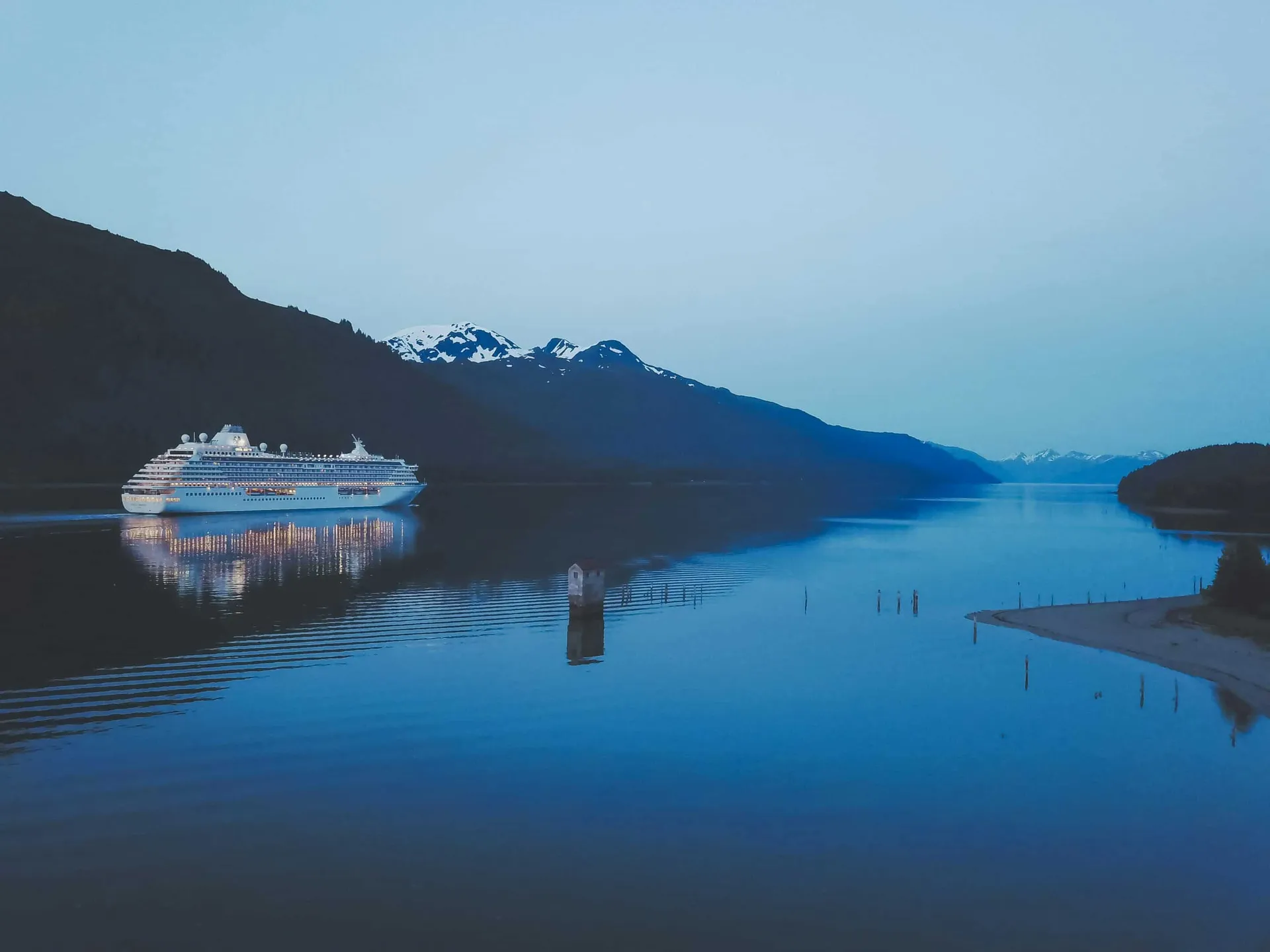
    Drive east to the coast and board a junk for a night among the limestone pillars: kayaking into hidden lagoons, a cave lit from within, a swim off the deck and dinner as the sun drops behind the islands. We often route quieter Lan Ha Bay instead, then return to Hanoi the next afternoon.

  3. Hue 3
    Days 5–6

    Hue

    A short flight south to the old imperial capital: the walled Imperial City and the Forbidden Purple City within it, a dragon boat up the Perfume River to the Thien Mu Pagoda, the lavish tombs of the Nguyen emperors in the hills and a bowl of bun bo Hue, the city's fiery noodle soup.

  4. Hoi An 4
    Days 7–9

    Hoi An

    Over the Hai Van Pass by road, with a stop at the beach in Da Nang, to the lantern-lit old port: the Japanese Covered Bridge and the yellow shophouses, a tailor fitting on the first afternoon, a cooking class in the river gardens of Tra Que, a morning at the Cham ruins of My Son and a lazy afternoon on An Bang Beach.

  5. Ho Chi Minh City 5
    Days 10–11

    Ho Chi Minh City

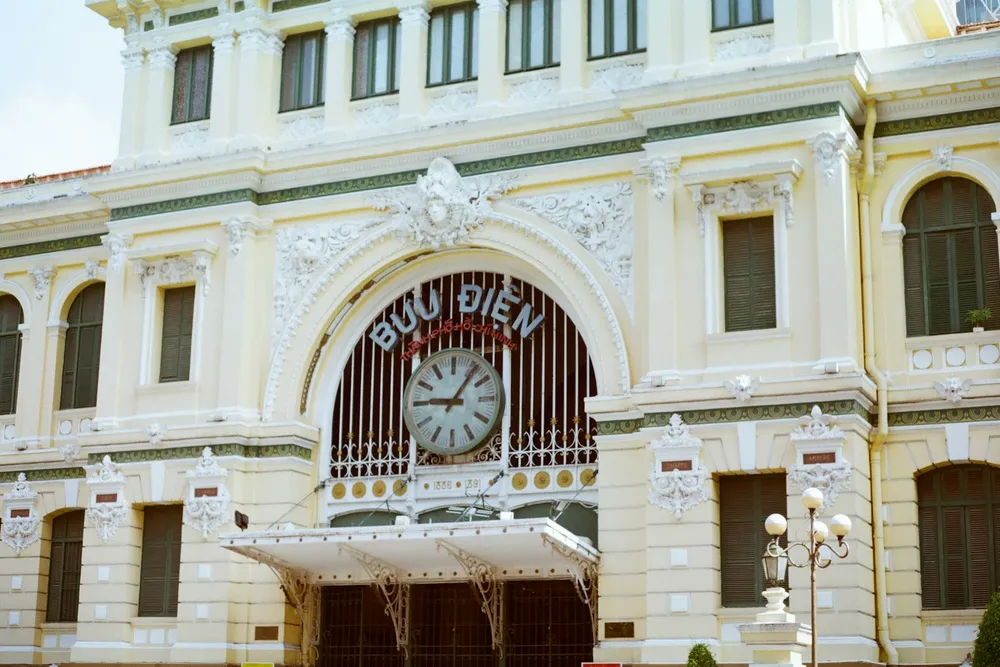
    Fly south into the roar of Saigon: the Reunification Palace, the War Remnants Museum and the Central Post Office, the markets of Ben Thanh and Cholon, a morning at the Cu Chi Tunnels outside the city and a rooftop drink above the scooter rivers of District 1.

  6. The Mekong Delta 6
    Day 12

    The Mekong Delta

    Finish in the river country south of the city: a dawn visit to the Cai Rang floating market at Can Tho, a sampan rowed through the narrow palm-shaded canals, a coconut-candy workshop and a fruit orchard lunch before the drive back to Saigon for the flight home, or an extra night at a river lodge.

Every itinerary we build is bespoke: this is a starting point, not a package.

Getting around

By domestic flight

Hanoi → Da Nang or Da Nang → Saigon in about 80 minutes

The country is long and thin, so short flights are the backbone of most of our routes, hopping between the north, center and south in little more than an hour each and leaving the ground time for the places worth lingering.
By private driver

Hanoi → Ha Long Bay in 2½ hours, Hue → Hoi An over the Hai Van Pass

Within each region a car and driver makes the day: the expressway out to the bay, the coast road over the Hai Van Pass with its lookouts and lagoons, and the run from Saigon down into the delta, with stops wherever you like.
In the cities

On foot, by Grab & by cyclo

Hanoi's Old Quarter and Hoi An are made for walking, and the Grab ride-hailing app covers everything else in the cities for a few dollars. A guide steers you through the traffic and the markets, and a cyclo ride at dusk is a pleasure in its own right.

Where to stay

Hanoi
Hanoi
We favor stays in the Old Quarter or along the lake for food on your doorstep and the lanes at dawn, or the French Quarter for grand colonial-era hotels, wide boulevards and a quieter night's sleep a short walk from it all.
Ha Long & Lan Ha Bay
The bay is best slept on, not beside: a cabin aboard a small, well-run junk for one or two nights, with a sea-view hotel or resort on Cat Ba Island for those who want a second night ashore among the quieter islands of Lan Ha.
Hue
Hue
A stay along the south bank of the Perfume River puts the Imperial City across the bridge and the dragon boats outside your door, from a landmark colonial-era hotel to a garden resort a little upriver toward the royal tombs.
Hoi An & Da Nang
Hoi An & Da Nang
We love a boutique hotel or villa in or just beyond the old town, close enough to walk to the lanterns at dusk, or a resort on An Bang Beach or the long sands toward Da Nang for pool days between the tailor fittings.
Ho Chi Minh City
Ho Chi Minh City
District 1 is the base, with grand hotels around the opera house and Dong Khoi, rooftop pools above the traffic and the war museums, markets and French landmarks a short walk away; in the delta, a night at a river lodge or homestay near Can Tho makes the floating market easy.

Flights, the overnight cruise, drivers and guides — including the e-visa paperwork and the timing around Tet — are all arranged as part of every itinerary, so the logistics are handled before you arrive.

Good to know

Vietnam travel questions.

How many days do you need in Vietnam?

Ten to fourteen nights is the sweet spot. Twelve nights comfortably covers the classic north-to-south route of Hanoi, Ha Long Bay, Hue, Hoi An, Ho Chi Minh City and the Mekong Delta, with the three regions linked by short flights. A week can be done well if you choose two regions, say Hanoi and the bay plus Hoi An, and a full two weeks lets you add the rice terraces of Sapa, the beaches of Phu Quoc or a slower pace throughout.

When is the best time to visit Vietnam?

March and April are the only months when the whole country is in good weather at once: the north is warm and dry before the summer rains, the central coast is sunny and the south is still in its dry season. Otherwise the three regions take turns. The north is best October to April, with a cool, misty winter; the center is best February to August, with typhoon-season rain from September to November; and the south is hot year-round, dry from December to April and wet from May to October. We order the route to match the month you can travel.

Do Americans need a visa for Vietnam?

Yes. US citizens need a visa, and the easiest route is Vietnam's official e-visa, applied for online in advance and valid for stays of up to 90 days with single or multiple entry. It generally takes a few working days to issue, and your passport must have at least six months of validity. We walk you through the application and check the details against your flights as part of every booking.

Is Vietnam safe and easy to get around?

Vietnam is a safe, welcoming country for travelers, and the main concerns are everyday ones: traffic, petty theft in crowded markets and the heat. Crossing a Hanoi street takes a little nerve, and we brief you on how. Getting around is simple with the right plan: short domestic flights link the north, center and south, a private driver and guide handle each region, and the Grab app covers city rides for a few dollars. English is widely spoken in hotels and tourist areas, and a guide opens up the markets and the food.

Should I choose Ha Long Bay or Lan Ha Bay?

They are the same seascape, one bay flowing into the next, and the difference is the crowds. Ha Long Bay proper is the famous name and has the busier cruise lanes and the big show caves; Lan Ha Bay, to the south around Cat Ba Island, has the same limestone pillars with far fewer boats, better kayaking and swimming and a quieter night at anchor. We route most of our clients through Lan Ha on a small, well-run junk, and we always suggest one night aboard rather than a day trip.

What is Tet, and should I avoid traveling then?

Tet is the Vietnamese Lunar New Year, falling in late January or February, and it is the biggest holiday of the year: the whole country travels home, flights and trains fill, and many restaurants, shops and sights close for several days. The week before is colorful, with flower markets and peach blossom in Hanoi, but the holiday itself is a quiet time to be a visitor. We check the dates for your year and either plan around it or build the trip to enjoy the lead-up and sit out the closures somewhere restful.

Let's begin

Design your
Vietnam escape.

Tell us your travel dates and what you love, and we'll handle every detail.

Plan Your Trip