
Hue (Thua Thien Hue)
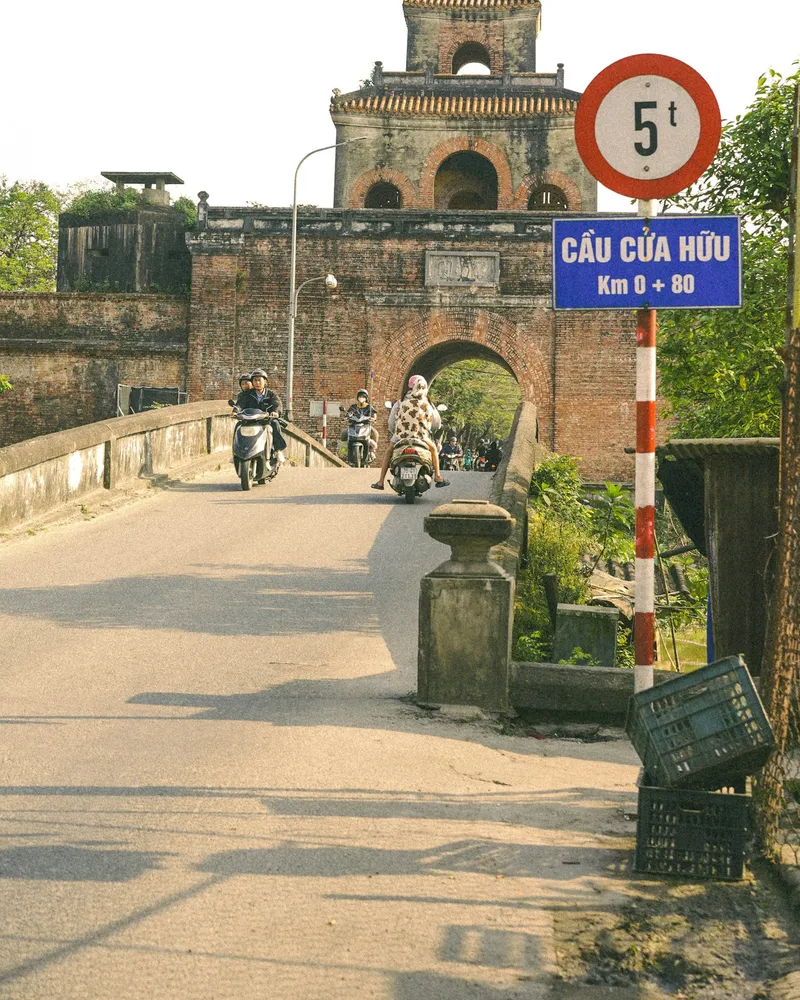
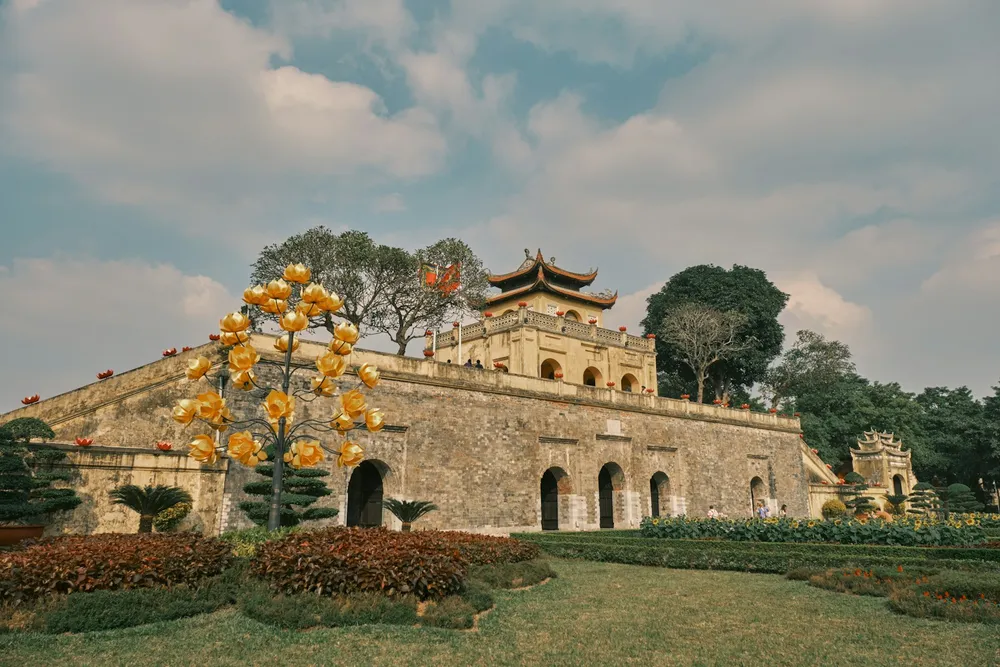
Hue was the capital of Vietnam for most of the nineteenth and early twentieth centuries, the seat of the Nguyen dynasty from 1802 until the last emperor abdicated in 1945, and it still carries itself like a capital. The city sits astride the Perfume River, named for the scent of orchard blossom that once drifted down it in autumn, and on the north bank rises the Citadel, a vast walled and moated enclosure modeled on Beijing's Forbidden City. Within it lies the Imperial City, and within that the Forbidden Purple City, where only the emperor, his family and the eunuchs of the court could go.
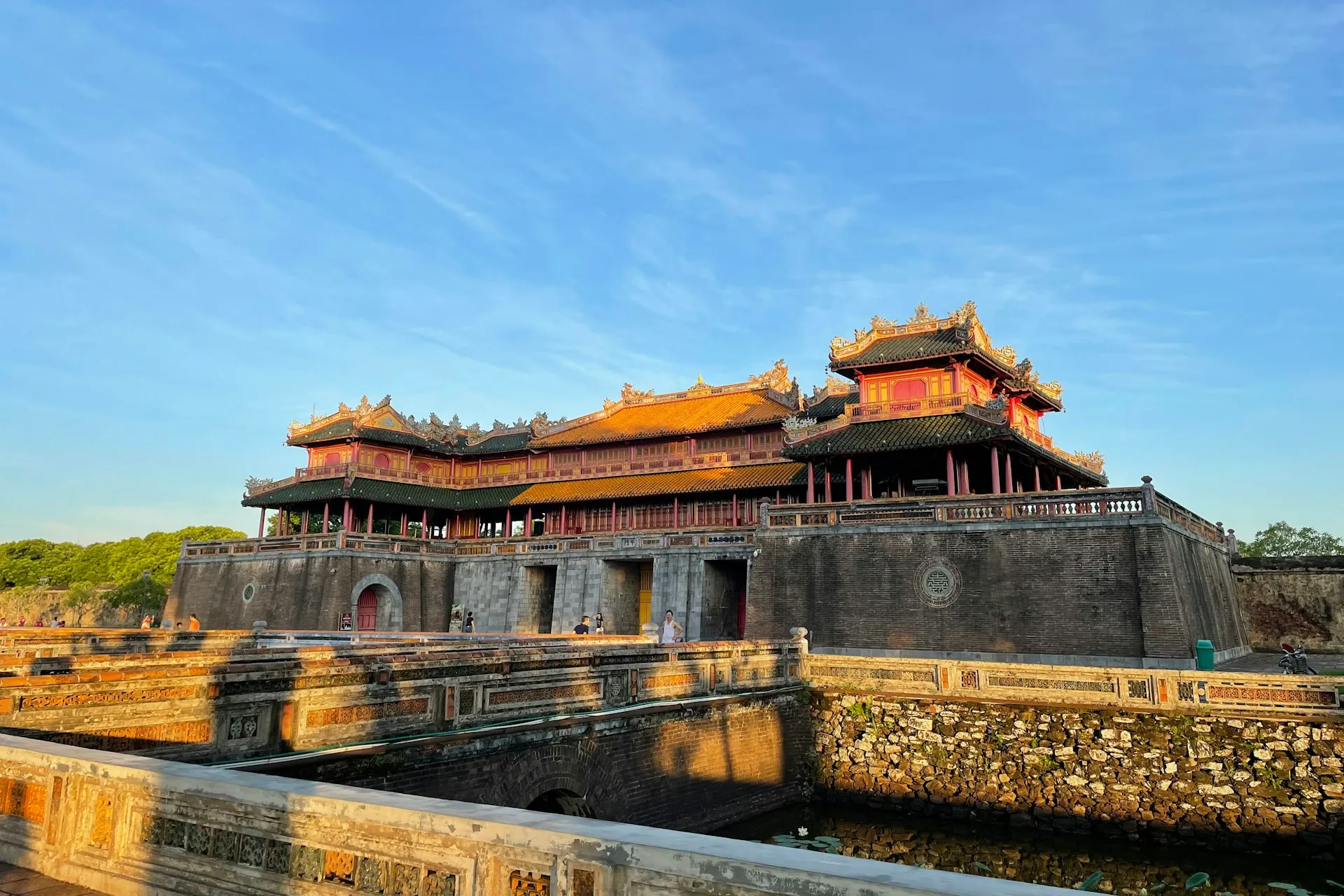
You enter through the Ngo Mon, the Noon Gate, a great stone-and-timber gateway where the emperors reviewed their court, and pass into a sequence of halls, courtyards and gardens that unfolds on a grand scale. The Thai Hoa throne hall gleams with red lacquer and gold; beyond it much was reduced to foundations and grass in the fighting of 1968, and the slow, careful restoration since has become part of the place's atmosphere, with newly rebuilt pavilions standing beside ruined walls and lotus ponds. It is a UNESCO World Heritage site and, early in the morning before the heat and the groups, one of the most evocative in Vietnam.
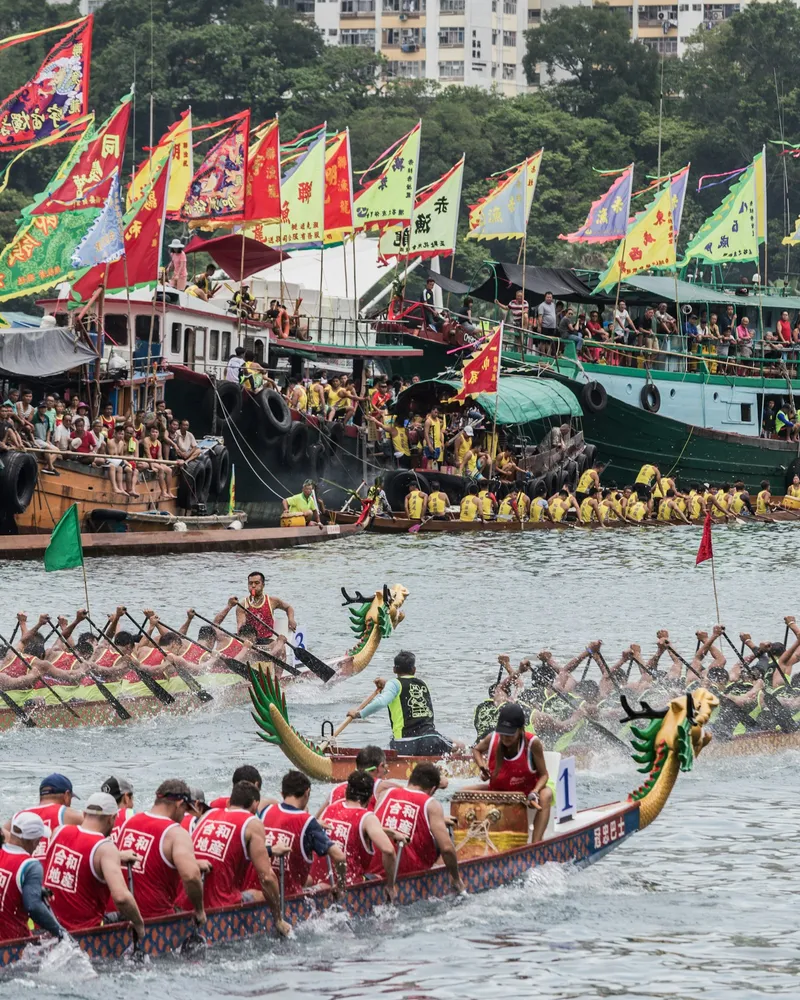
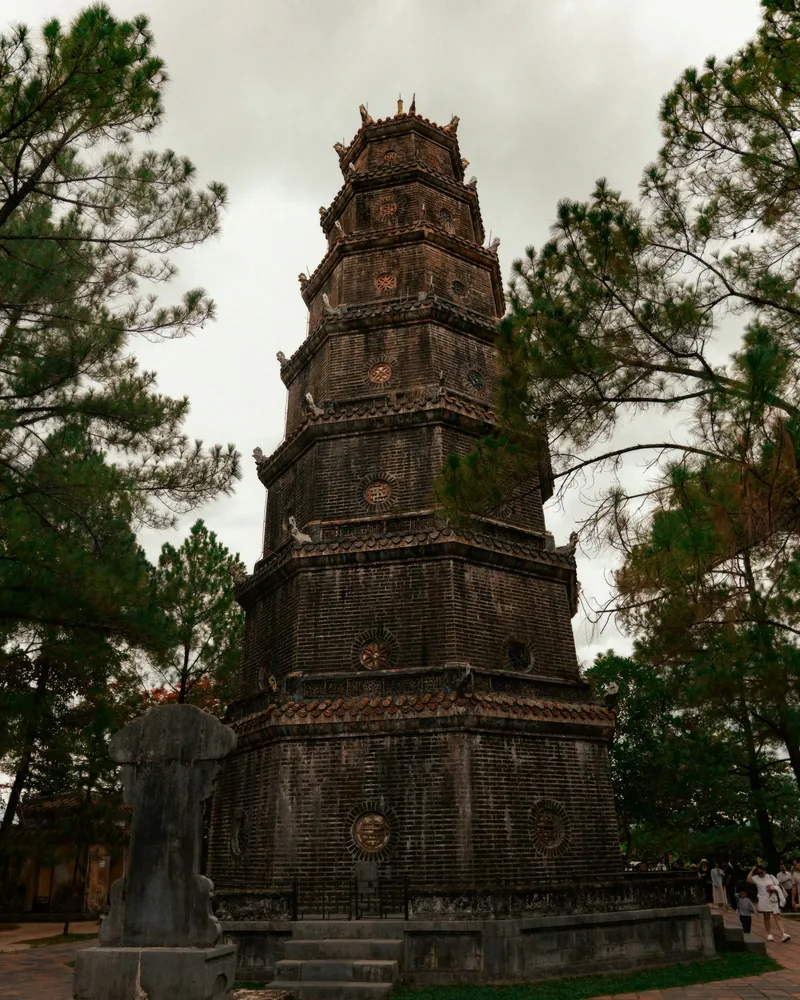
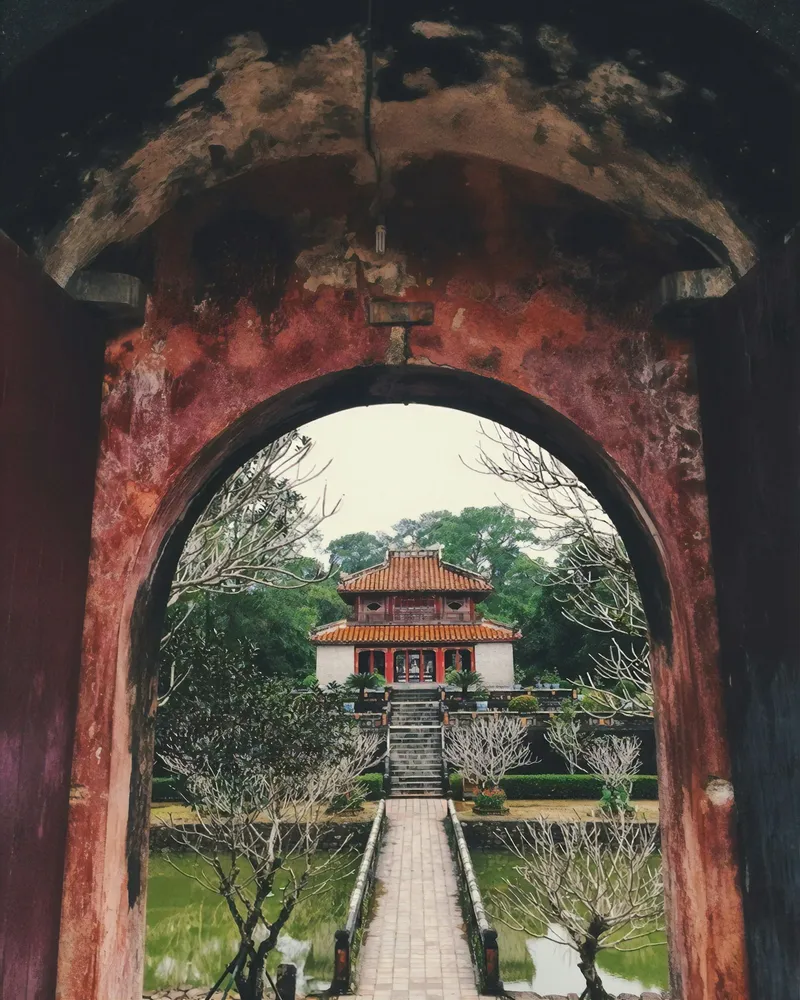
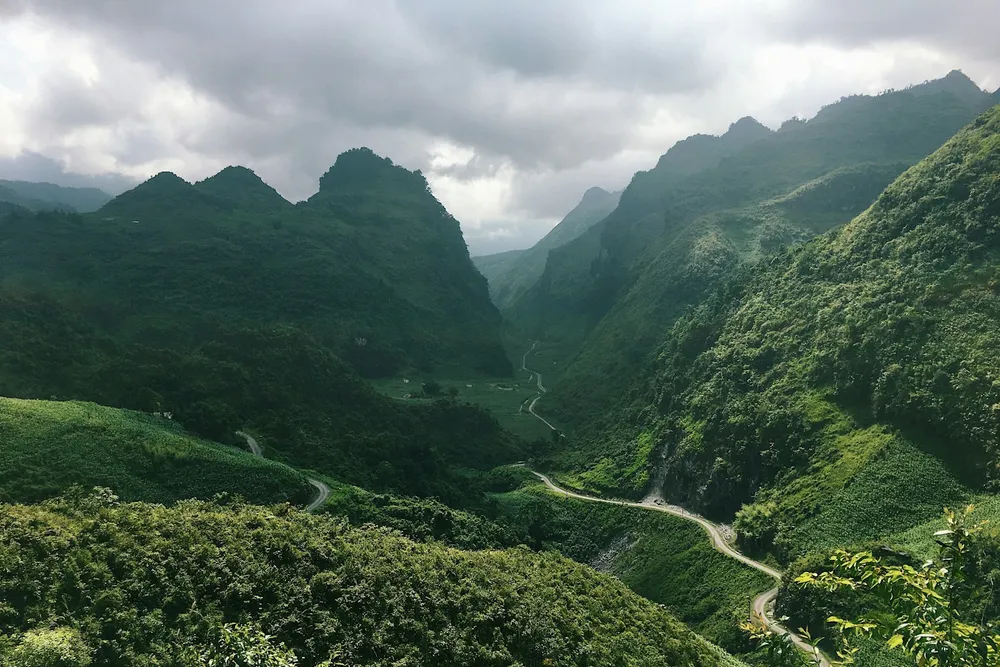
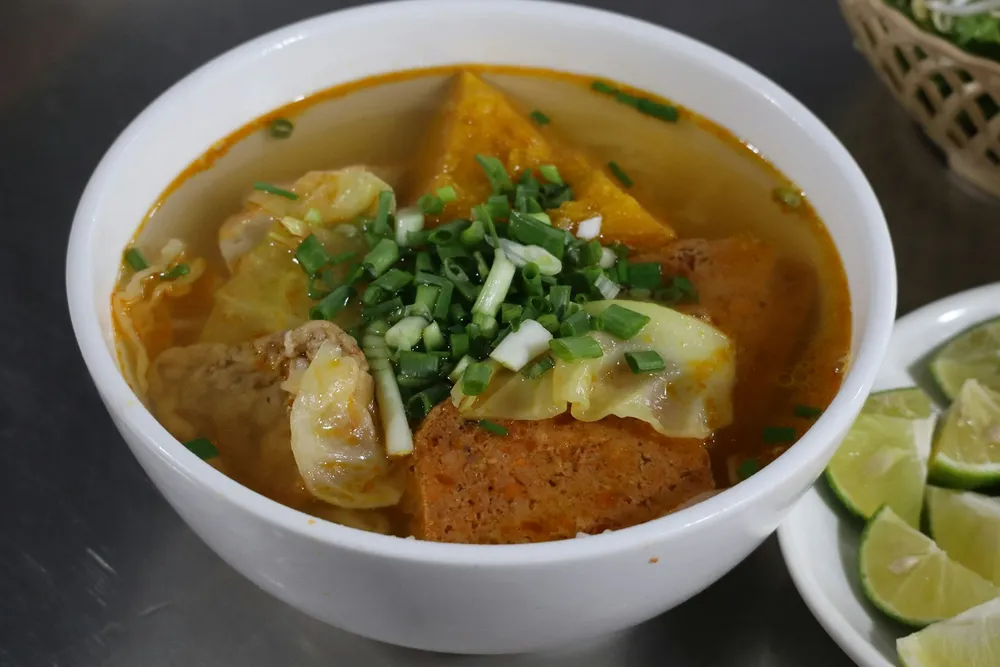
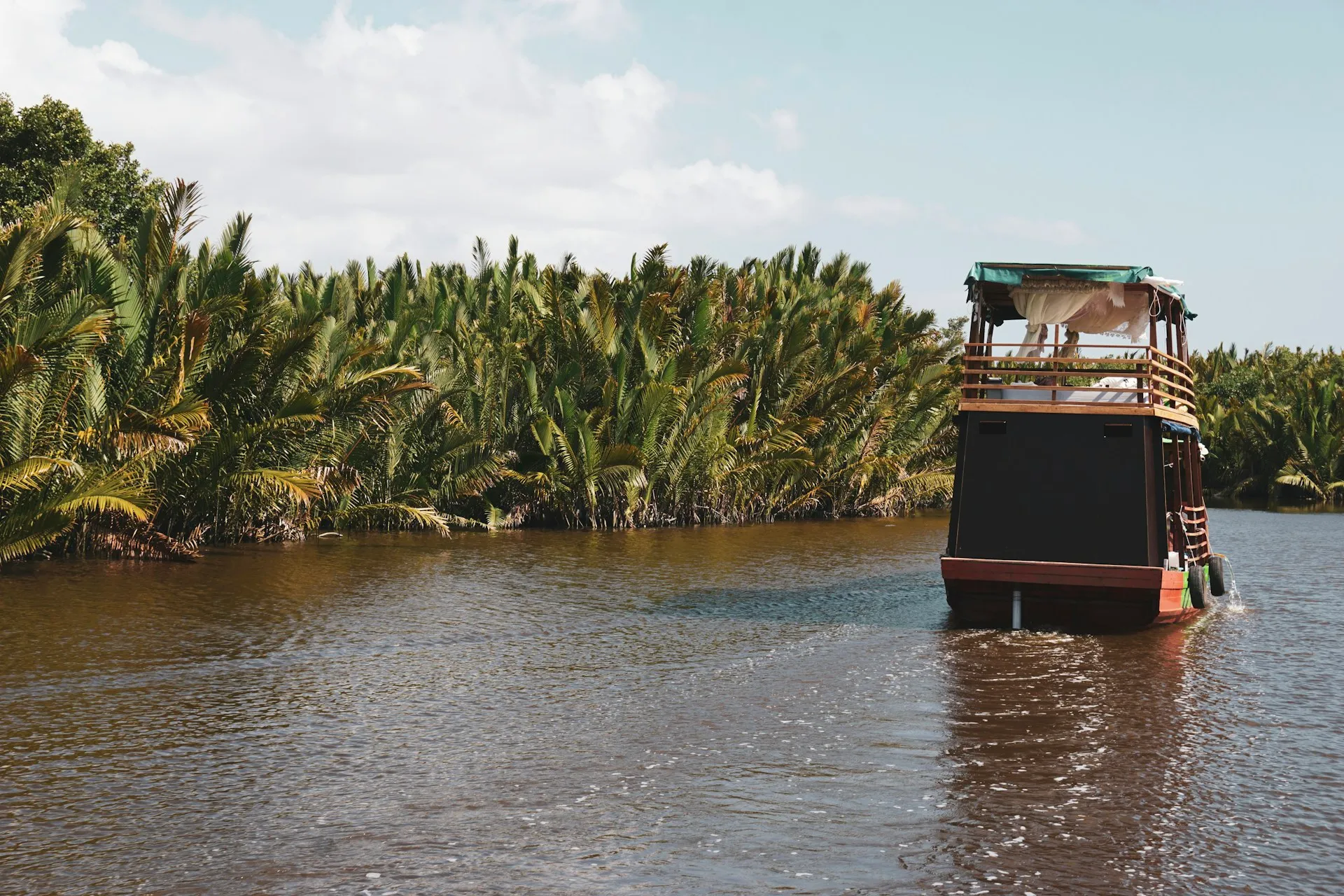
The river ties the rest together. A dragon boat carries you upstream to the Thien Mu Pagoda, its seven-story tower the symbol of the city, and on toward the tombs the emperors built for themselves in the pine hills, each a reflection of its builder: Tu Duc's a poet's garden of lakes and pavilions, Minh Mang's a model of Confucian symmetry, Khai Dinh's a baroque mountainside mosaic of glass and porcelain. We give Hue two nights, with a guide for the Citadel at opening time, the boat in the afternoon and a tasting of the city's famous royal cuisine and its fiery bun bo Hue noodle soup in between, then drive south over the Hai Van Pass to Hoi An.