





Hanoi
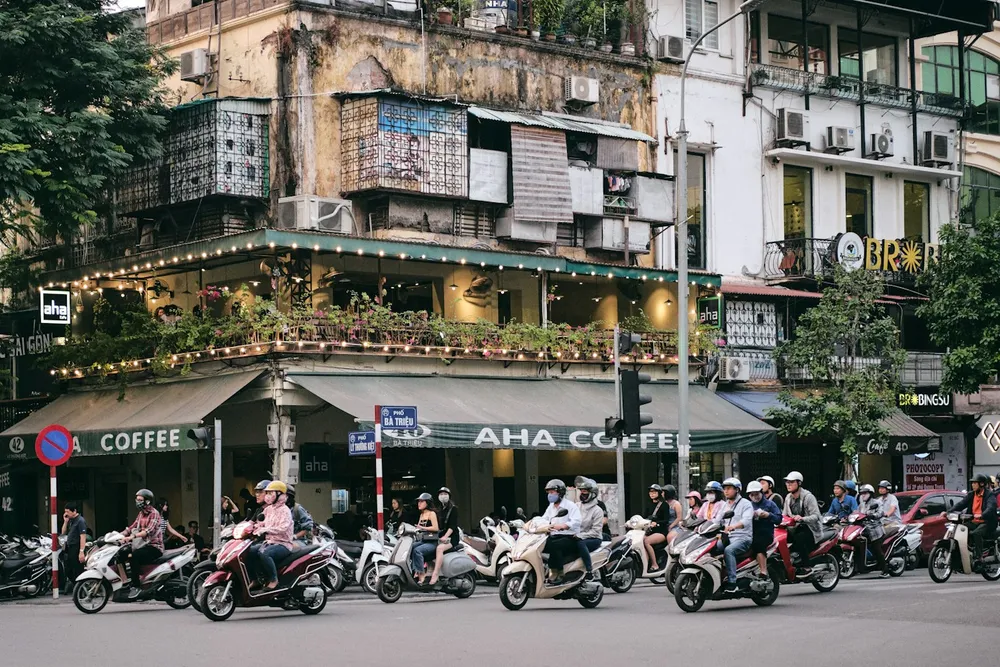
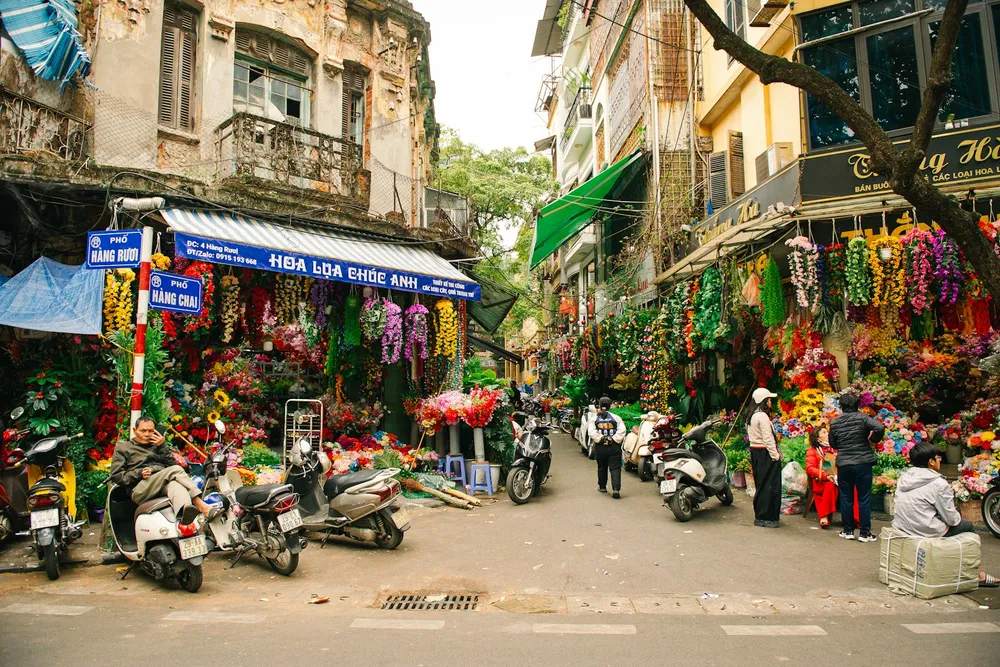
Hanoi's Old Quarter is a tangle of thirty-six streets that grew up around the guilds of the old city, each lane once given over to a single trade and many still named for it: Silver Street, Silk Street, Paper Street, Bamboo Street. A thousand years of commerce have packed it with narrow tube houses, temples wedged between shopfronts and sidewalks given over almost entirely to the business of eating. Scooters pour through, the lake glints at the southern end, and from before dawn until well after dark the whole district smells of charcoal, lime and broth.
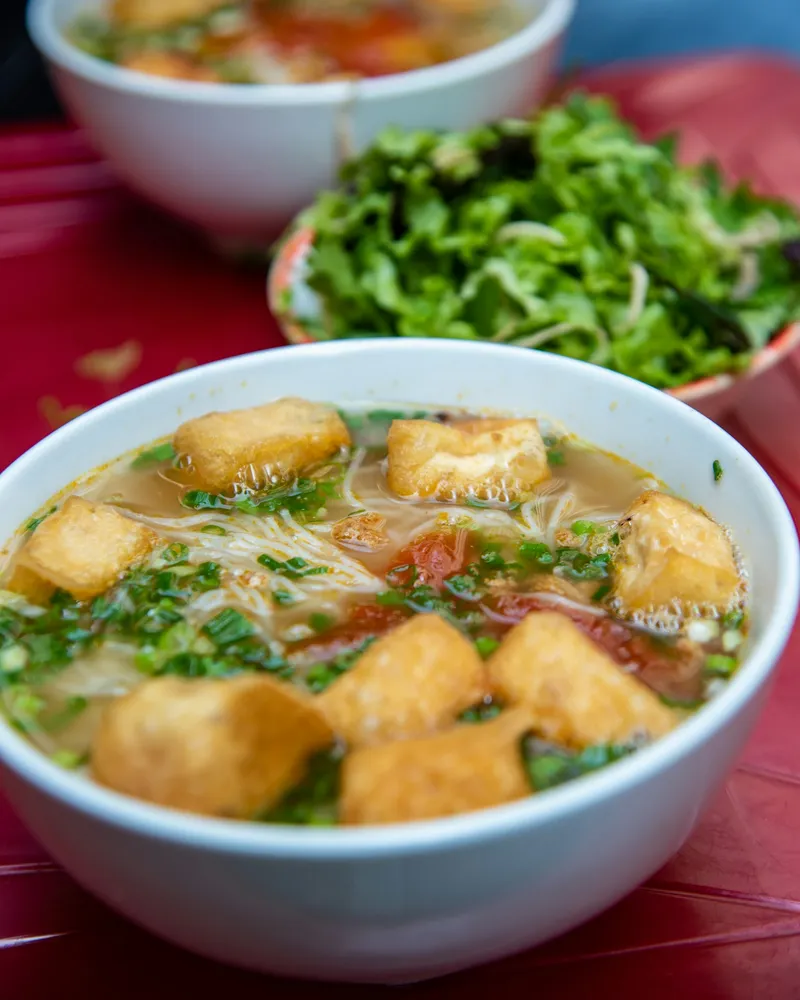
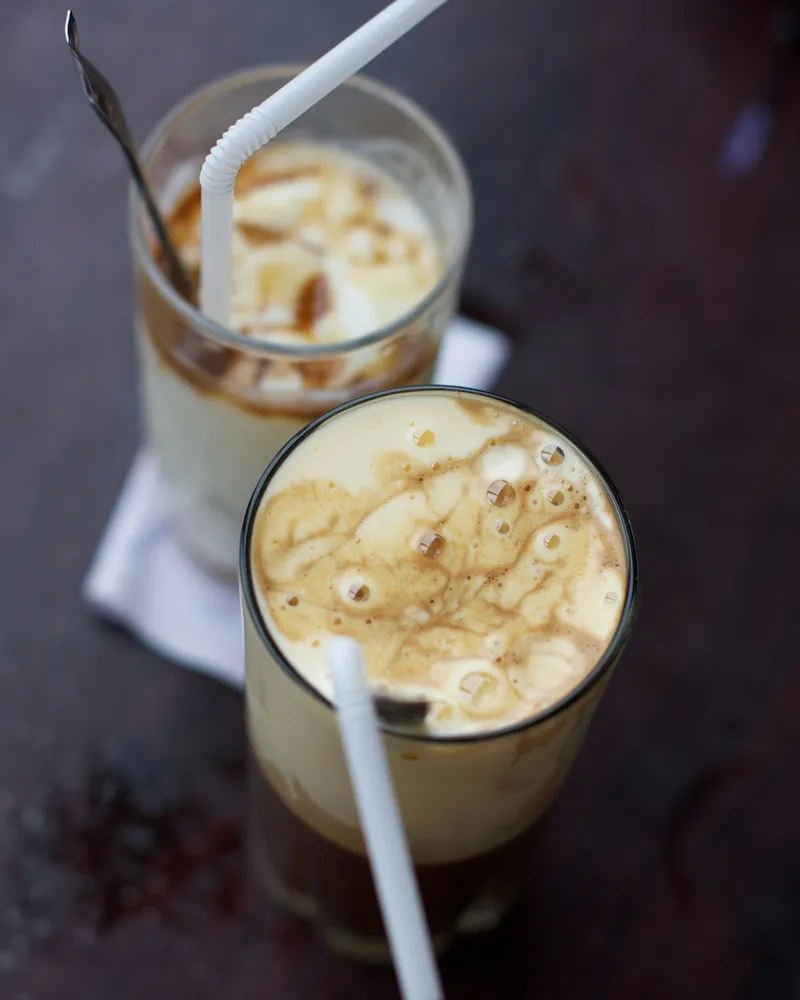
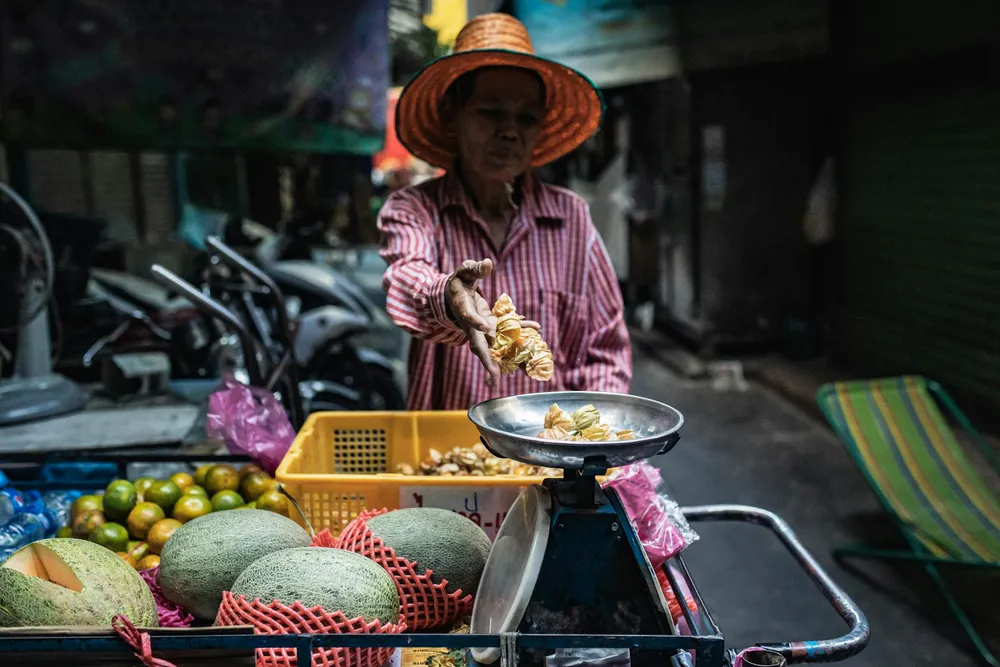
To eat your way through it is to understand the city. Breakfast is pho, the beef noodle soup the capital calls its own, eaten at a stall that does one thing and has done it for decades; late morning brings banh cuon, steamed rice rolls shaved from a cloth stretched over a pot, and the crisp, warm banh mi that carries the French legacy inside a baguette. Lunch is bun cha, grilled pork patties and belly smoking over a sidewalk brazier and dropped into a bowl of sweet-sour broth with herbs and rice noodles, a dish so Hanoian that it is what the city served a visiting American president. Afternoon is for egg coffee, a whipped custard of yolk and condensed milk over dark robusta invented in a café here in the 1940s and still served up a hidden staircase.
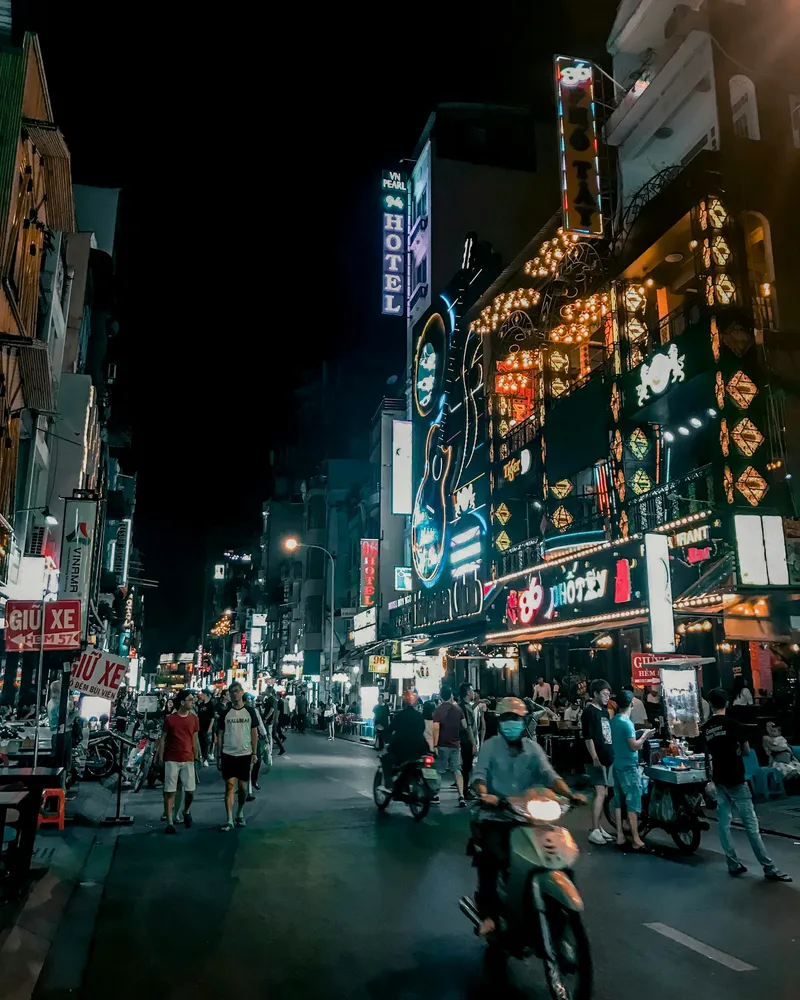
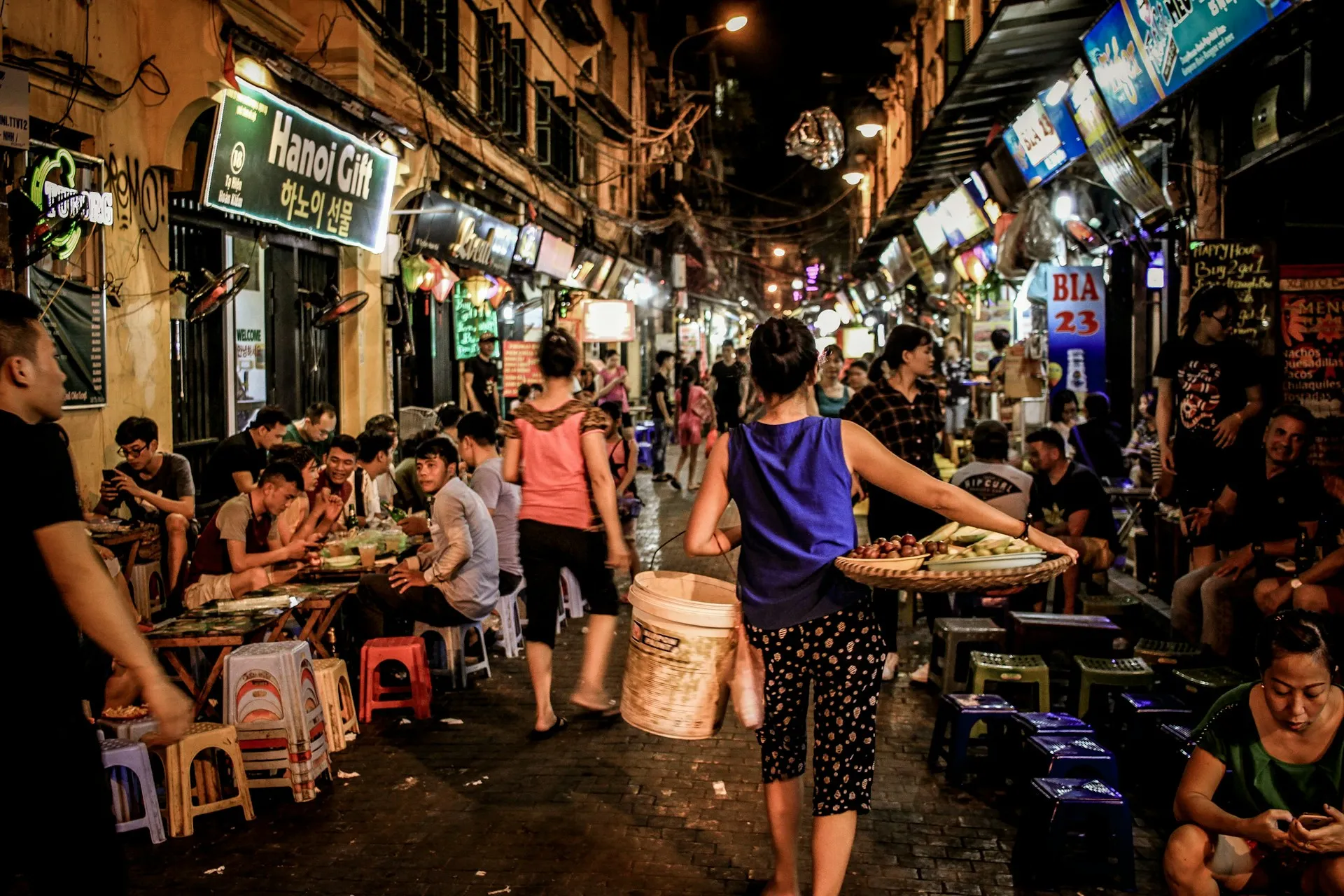
And then the light goes and the Old Quarter changes again. On the corner of Ta Hien, plastic stools spill into the street for bia hoi, the fresh, light draft beer brewed daily and poured for pennies, while the night stalls fire up for grilled skewers, snails in lemongrass and sweet soups. We build an evening like this into every Hanoi itinerary, on foot with a guide who knows which stall to queue for and how to cross a street full of scooters, so the city's food culture opens up rather than passing you by.