
Thailand

Destinations · Asia

Thailand.

Gilded temples, northern hills & limestone islands in a warm sea.

Scroll

The country

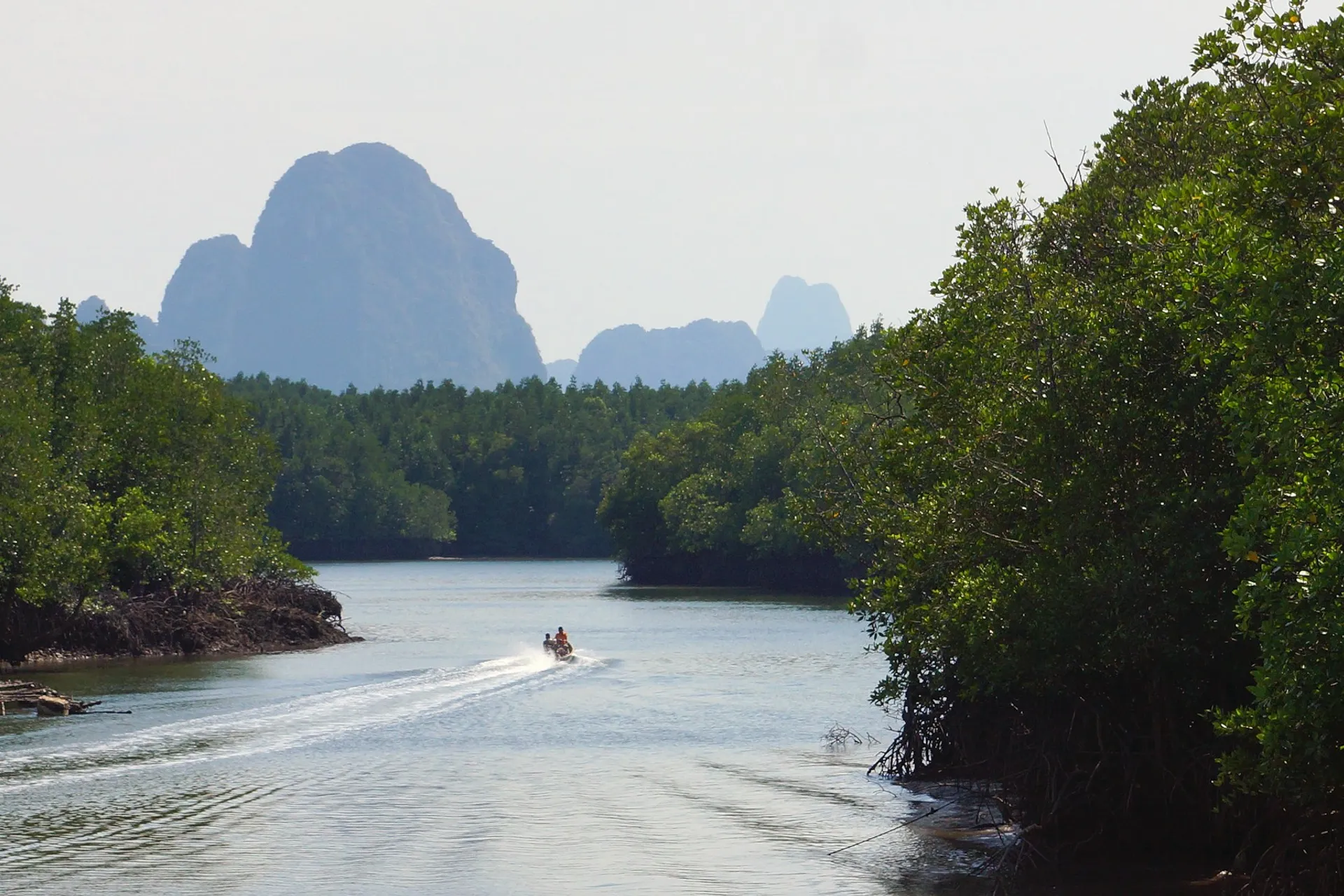
Thailand is one of those rare countries that is exactly as generous as its reputation. In a single trip you can stand before the Emerald Buddha in the gilded heart of Bangkok, ride a longtail boat down a canal lined with stilt houses, wake to temple bells in the cool hills of Chiang Mai, and finish on a beach where limestone towers rise straight out of a jade-green sea. It is a kingdom roughly the size of France, stretched long and thin from the mountains on the Burmese border down the slender neck of the peninsula toward Malaysia, and every stretch of it has a different mood.

The thread that runs through it all is the table. Thailand eats constantly and brilliantly, from a bowl of boat noodles slurped at a plastic stool to a quiet riverside dinner where the curry arrives fragrant with lemongrass and kaffir lime; the night markets are the country's living rooms, and a wai, hands pressed together with a small bow, is the greeting that opens every door. The pace shifts with the geography: fast and bright in Bangkok, unhurried in the north, slower still once you are barefoot on the sand.

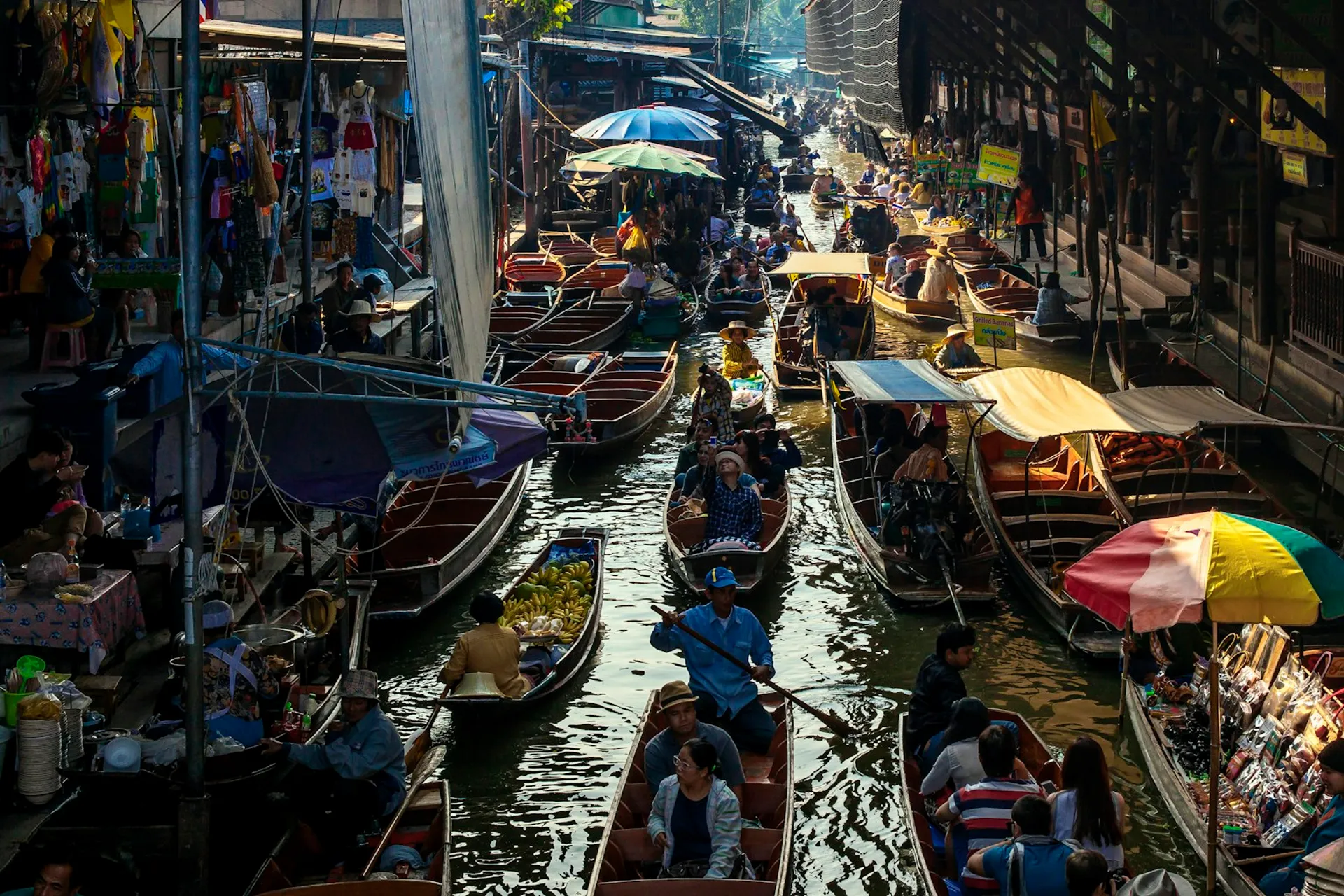
We design Thailand itineraries that pair the icons with the moments between them: a private early morning at the Grand Palace before the tour groups arrive, a day among rescued elephants in a northern valley, a river journey to the ruined capital at Ayutthaya, a longtail boat into the empty lagoons of Phang Nga Bay. Whatever rhythm you want, we build the route so each stop has room to breathe, and we handle the flights, drivers and boats that stitch it together.

Capital
Bangkok
Currency
Thai baht (฿)
Ideal trip
10–14 nights
Best for
Temples, beaches & street food

When to go

The best time to visit Thailand.

Thailand runs on three seasons rather than four: a cool, dry winter from November into February that is the undisputed prime, a fierce hot season through the spring, and a green monsoon from roughly June to October. The twist is the coast. The Andaman side around Phuket and Krabi follows the mainland's rhythm, while Koh Samui and the Gulf islands run a reverse pattern, drier through the American summer and wettest in October and November. This is how we read the calendar across the desk, and why the question of which beach is really a question of when.

Jan Feb Mar Apr May Jun Jul Aug Sep Oct Nov Dec

Prime season Shoulder Quieter & better value

December–February

Our favorite window and the country's high season: cool, dry and clear from the northern hills to the Andaman beaches, with calm seas for the islands, crisp mornings in Chiang Mai and the most comfortable days for temple-hopping in Bangkok. Book early, as the best hotels fill well ahead.

November & March

The shoulders on either side of the prime. November sees the rains tail off and the Loy Krathong lantern festival light the rivers, though the Gulf coast is at its wettest; March is hot and dry, fine on the coasts, with a smoky haze settling over the northern hills as the farmers burn their fields.

July–August

The Gulf coast's own season. Koh Samui, Koh Phangan and Koh Tao stay largely dry while the Andaman side takes the monsoon, so a summer trip pairs Bangkok and the green, quiet north with a Gulf island rather than Phuket. Expect warm, lush days with short, heavy showers inland.

April–June & September–October

April is the hottest month, lit up mid-month by the nationwide water fights of Songkran; May and June bring the first monsoon rains, and September and October are the wettest stretch in Bangkok and the north and the roughest on the Andaman. Good value and still very doable, with the timing built around the showers.

Where to go

The regions of Thailand.

Thailand is long, and each stretch of it has its own light: the river-city energy of Bangkok, the temple-studded hills of the north, the ruined capital on the central plains, and two very different coasts with their own seasons. These are the regions we weave together most often, and we shape the route around the balance of culture and beach you have in mind.

Bangkok

Region

Bangkok

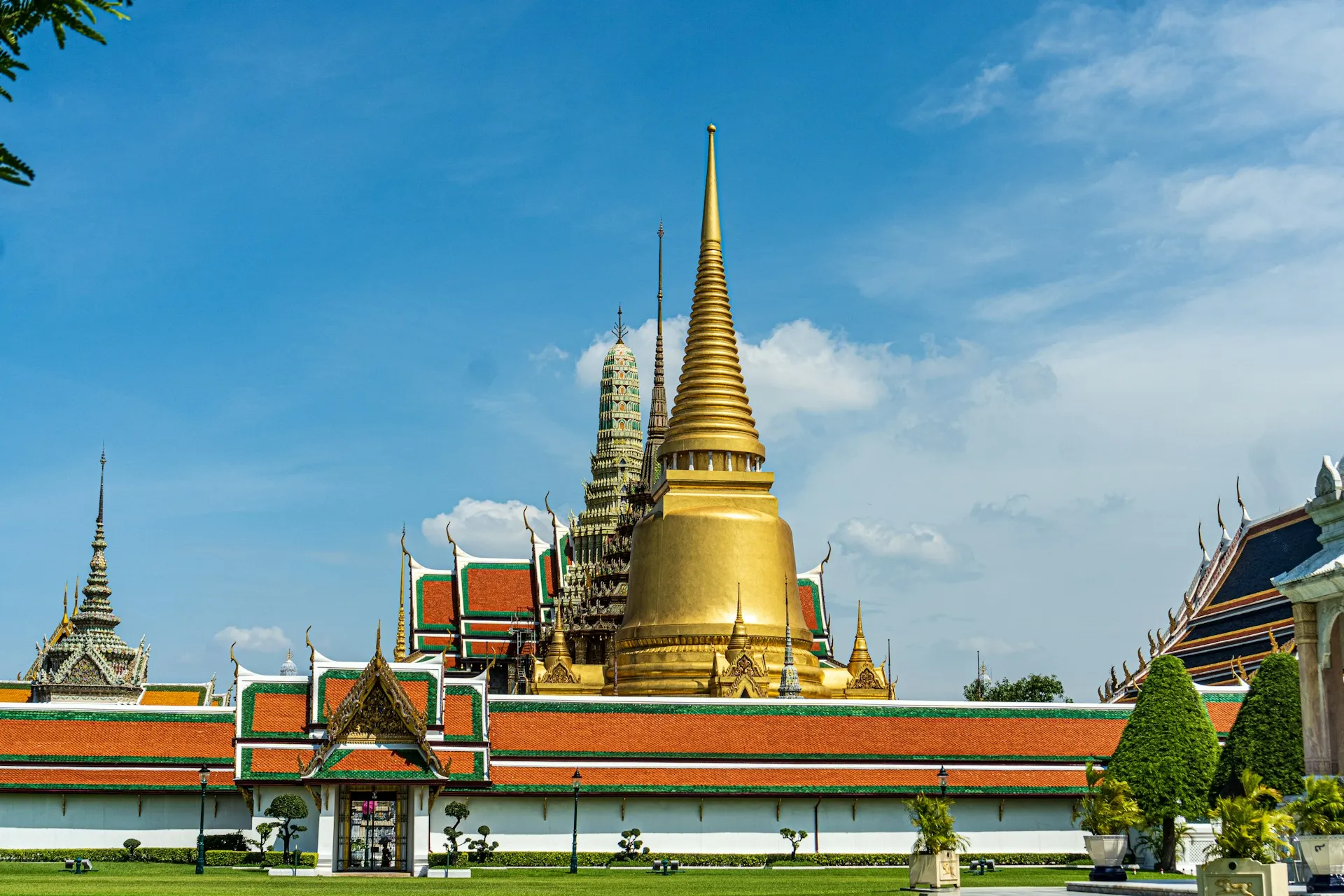
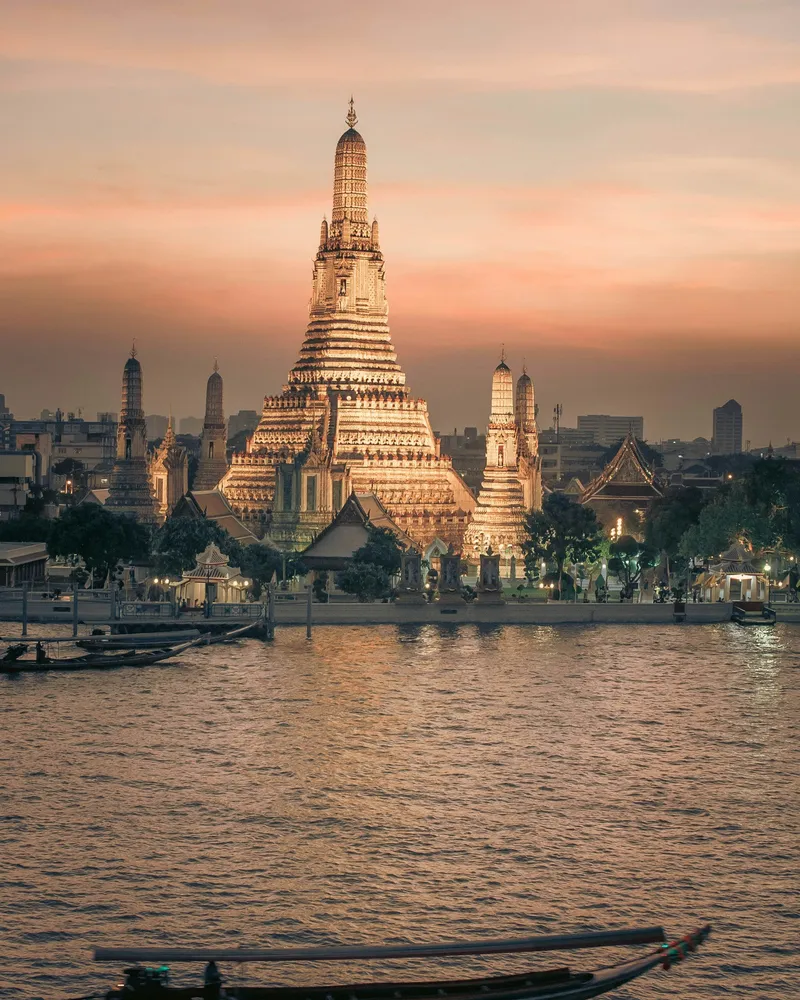
The sprawling, exhilarating capital on the Chao Phraya: the gilded spires of the Grand Palace and Wat Arun, canals lined with stilt houses, rooftop bars above the skyline and some of the best street food on earth, all threaded together by river boats and the Skytrain.
Chiang Mai & the North

Region

Chiang Mai & the North

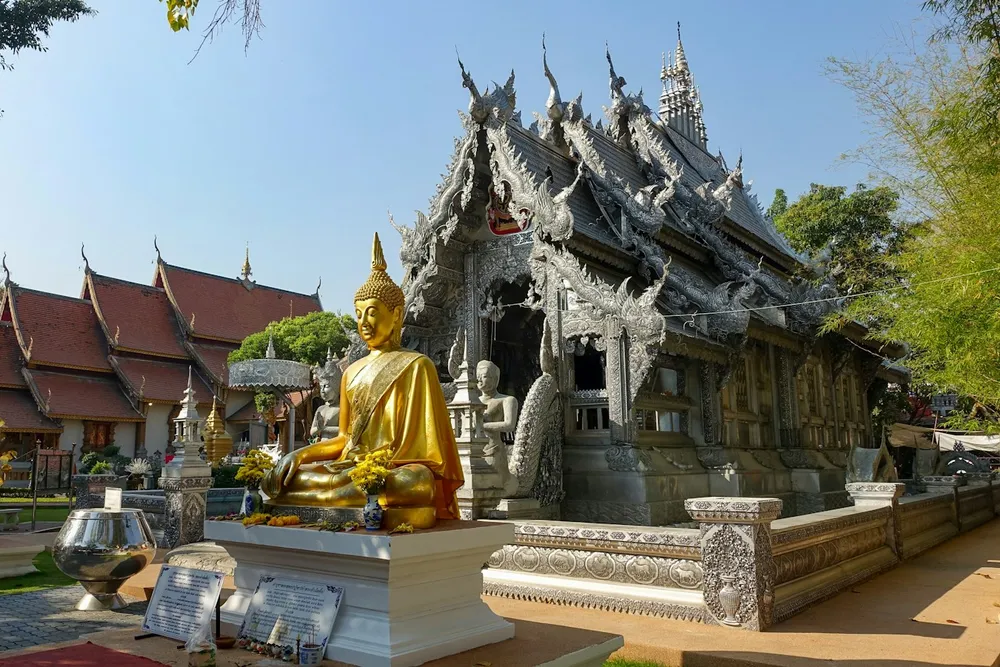
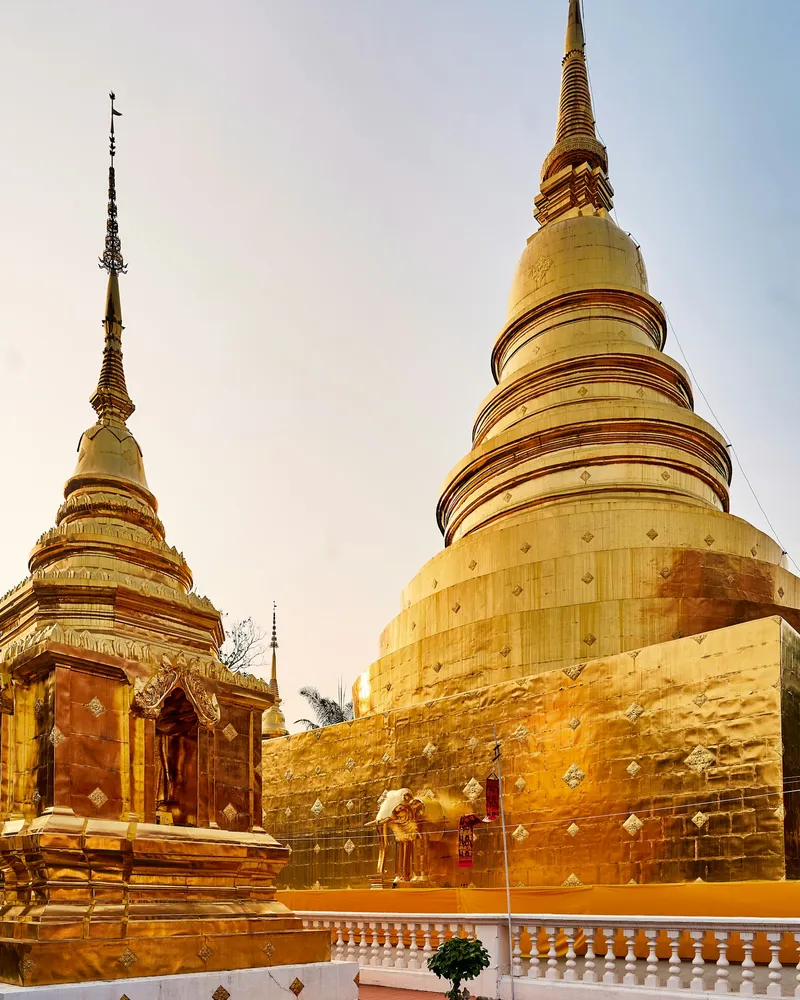
The cool, green highlands of the old Lanna kingdom: a walled old city of more than three hundred temples, the mountaintop shrine of Doi Suthep, elephant sanctuaries in the river valleys, hill-tribe villages and night markets, with Chiang Rai and the Golden Triangle a few hours further north.

Phuket & the Andaman Coast

Region

Phuket & the Andaman Coast

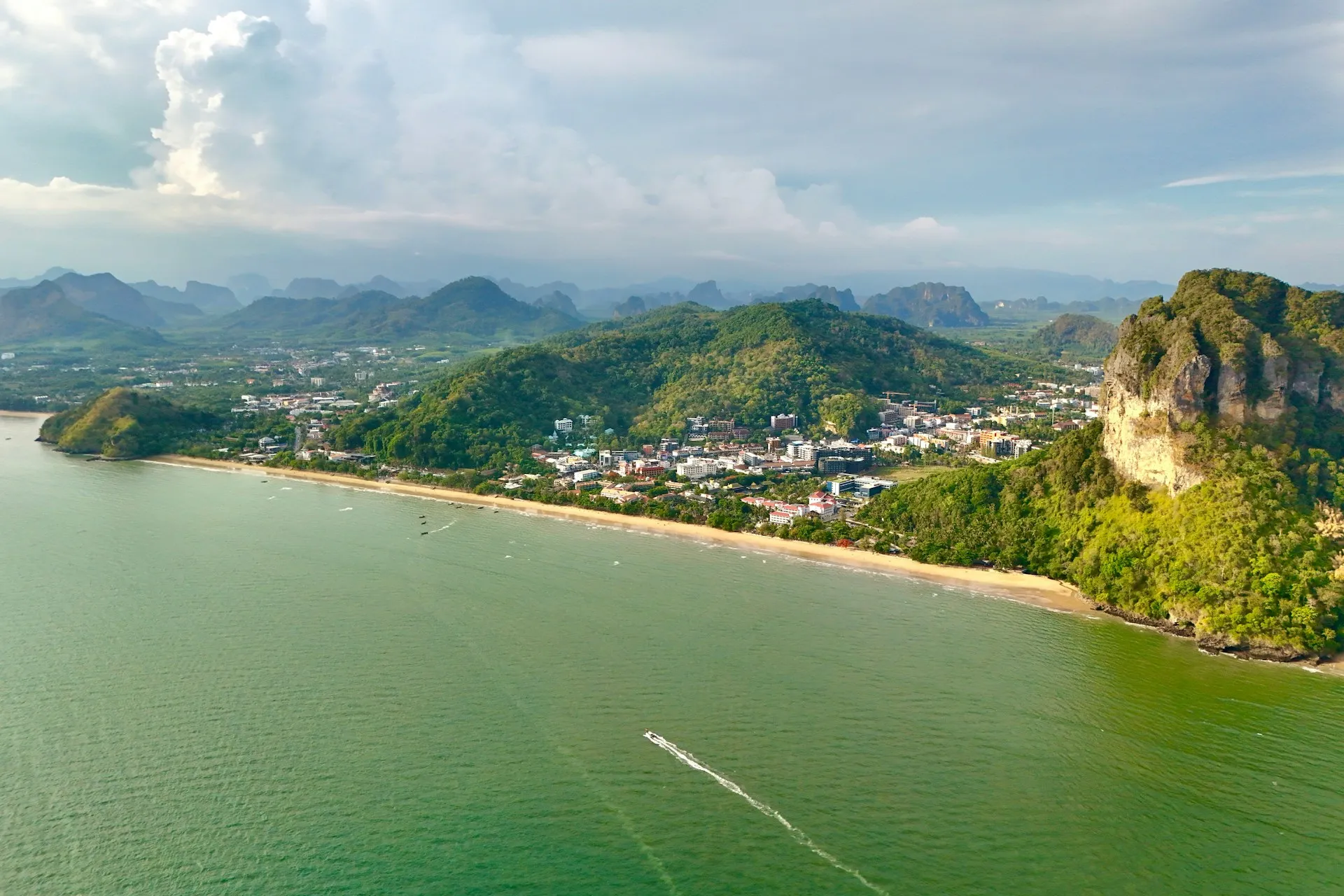
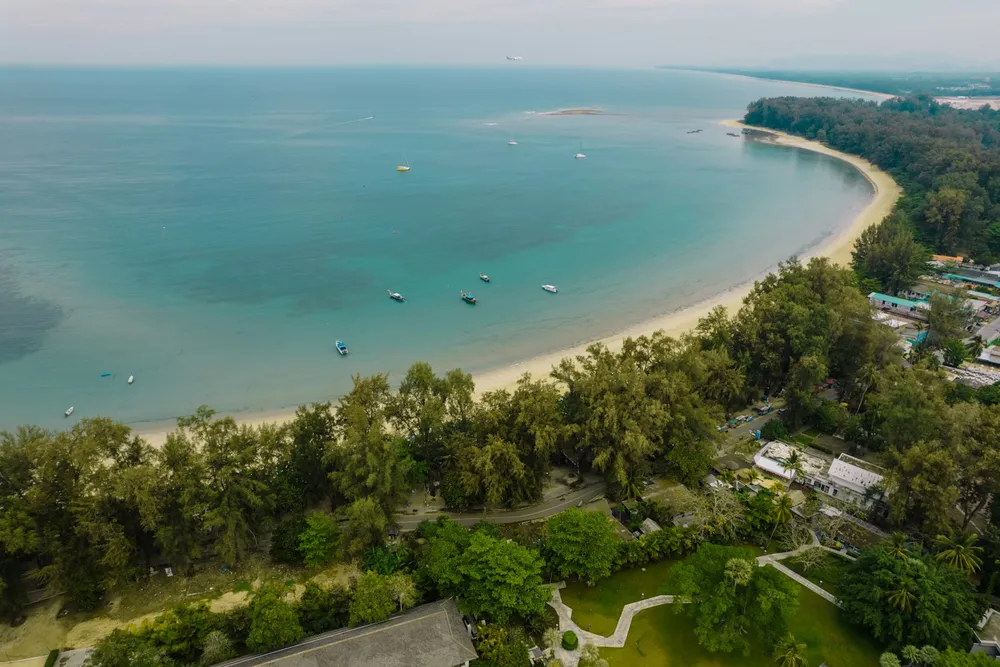
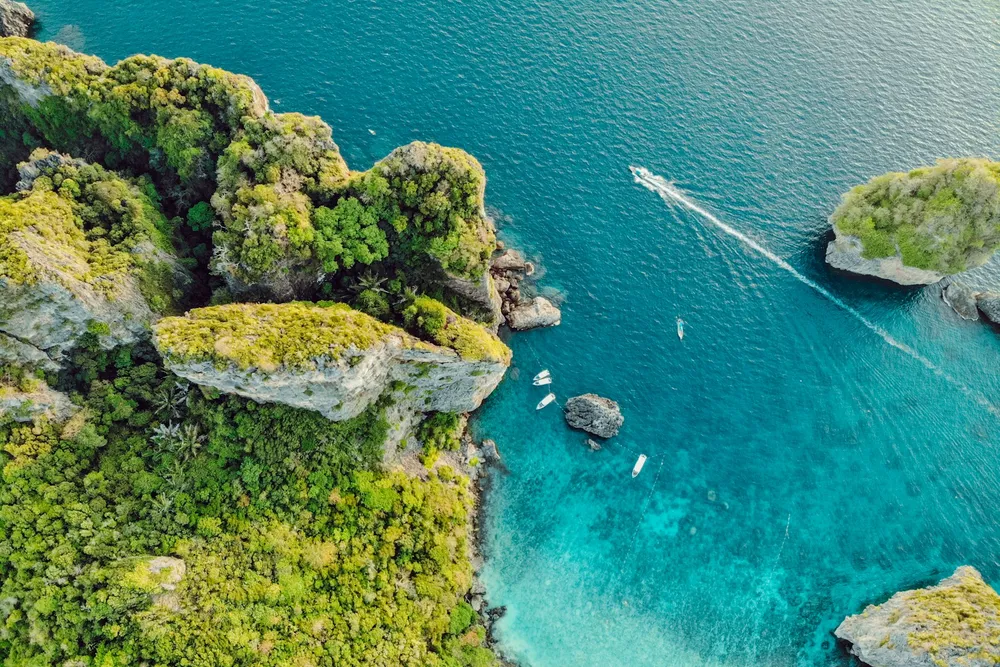
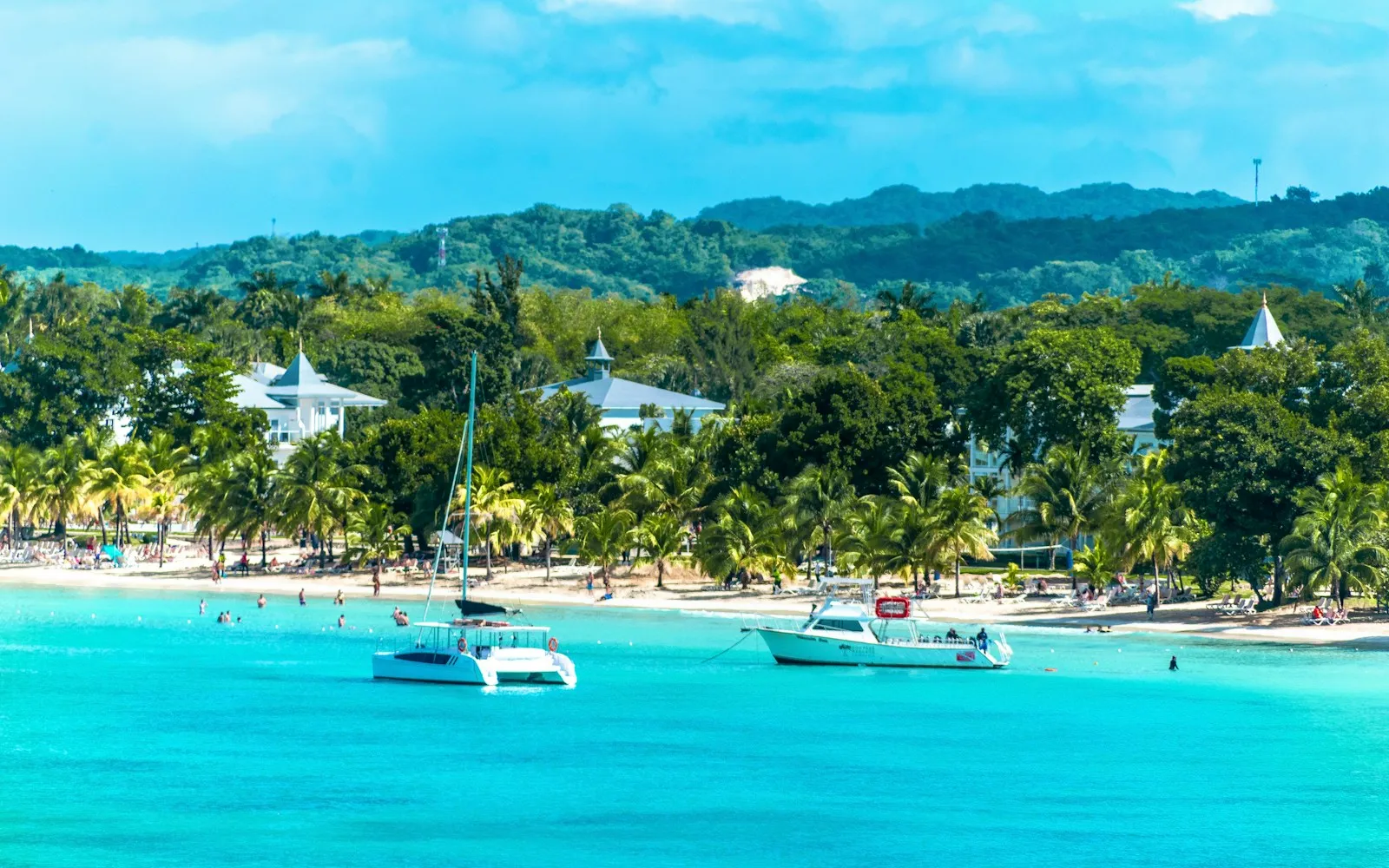
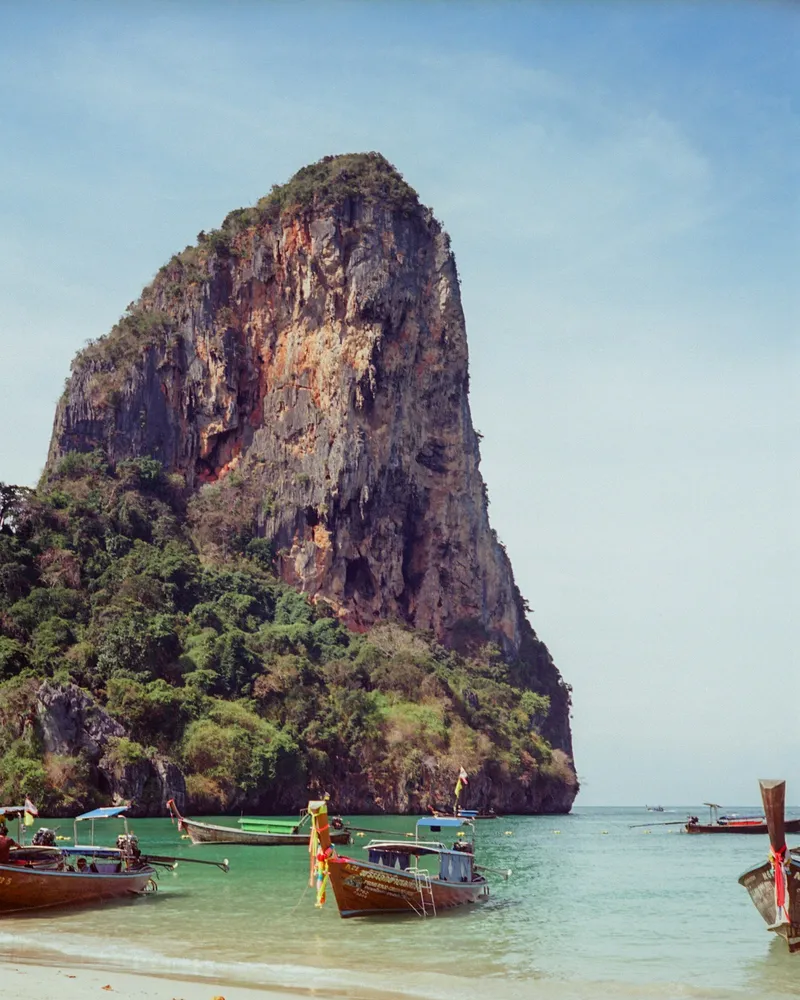
Thailand's postcard coast: the big resort island of Phuket, the limestone towers and sea caves of Phang Nga Bay, the boat-only beaches of Railay near Krabi and the island chains of Koh Phi Phi and Koh Lanta, at their best from November to April.

Koh Samui & the Gulf

Region

Koh Samui & the Gulf

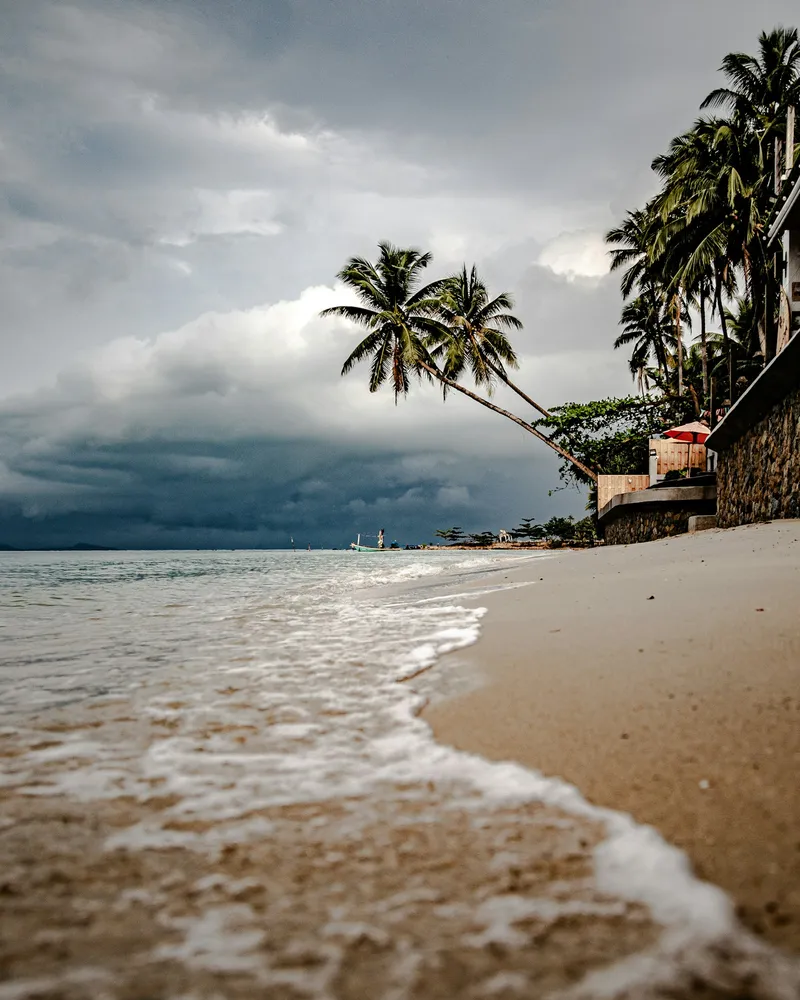
The palm-fringed islands of the Gulf of Thailand: polished, villa-studded Koh Samui, the Full Moon beaches and quiet coves of Koh Phangan and the dive sites of Koh Tao, with a reverse season that makes them the smart choice for a summer trip.

Ayutthaya & the Central Plains

Region

Ayutthaya & the Central Plains

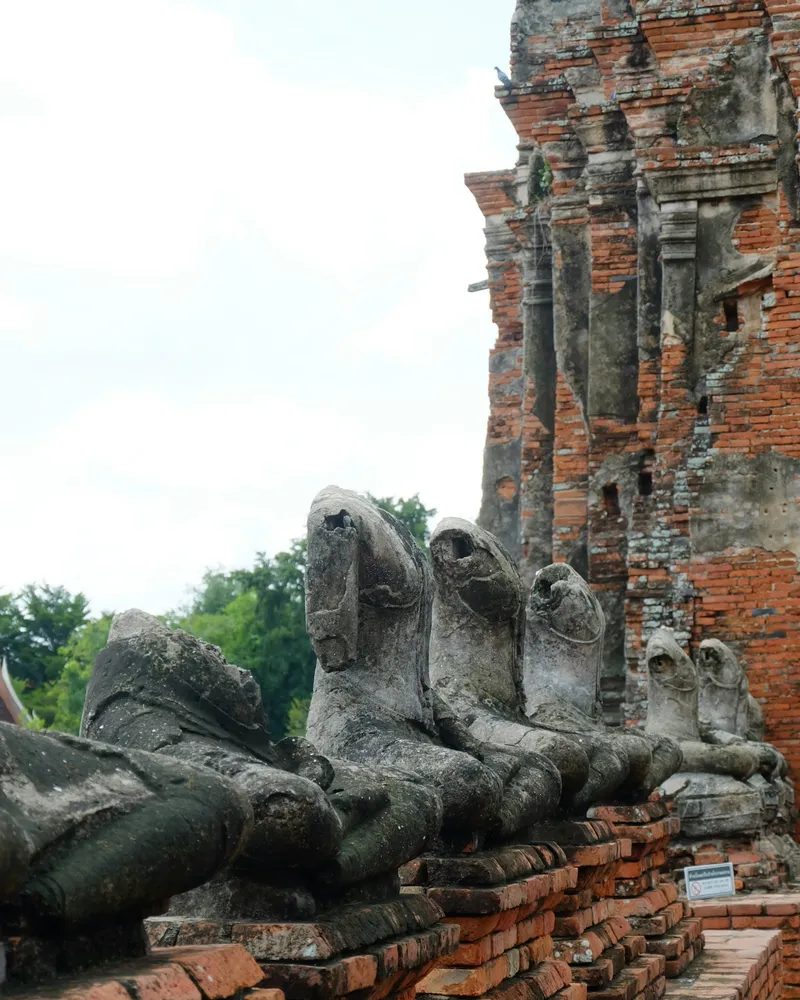
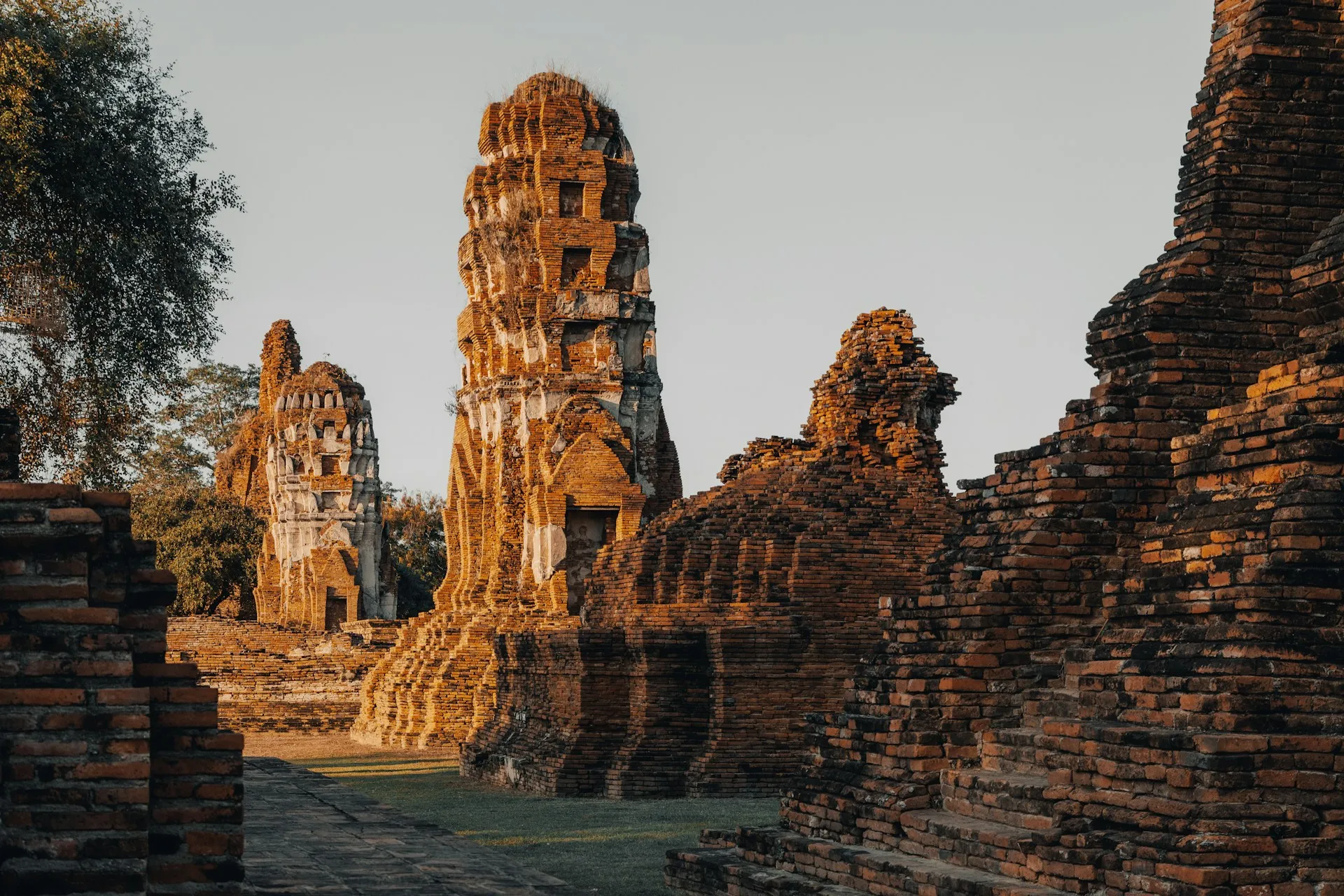
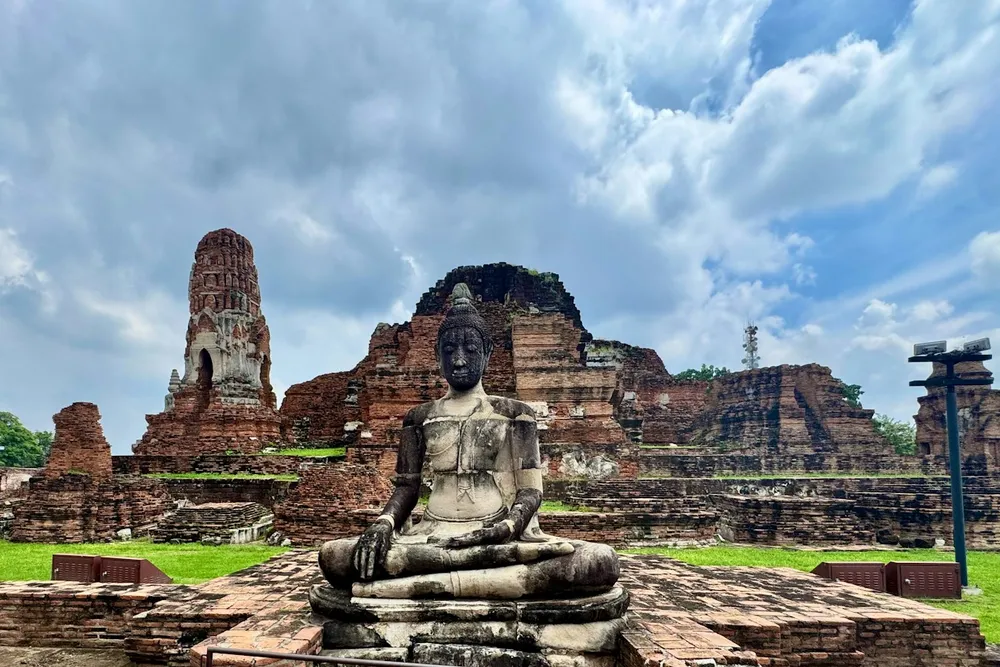
The rice-growing heartland north of Bangkok and the ruined former capital of Siam at its center: brick prangs and headless Buddhas among the banyans at Ayutthaya, the river road up from the city, and the old royal summer palace at Bang Pa-In.

A sample journey

One way to spend a week in Thailand.

  1. Bangkok 1
    Days 1–3

    Bangkok

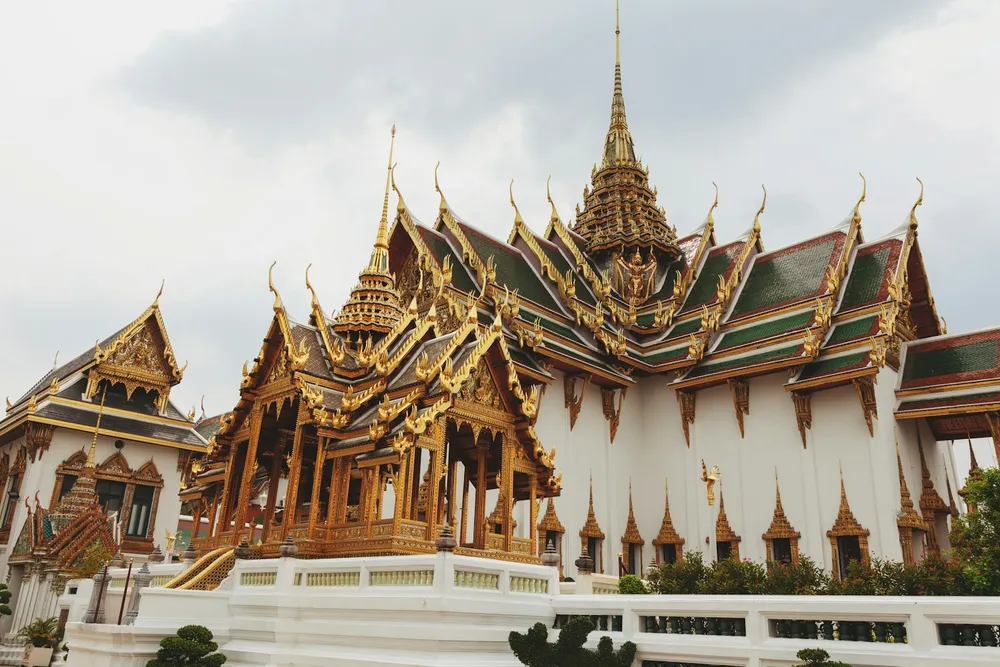
    Begin on the river: the Grand Palace and the Emerald Buddha early, the Reclining Buddha at Wat Pho, a cross-river ferry to Wat Arun, a longtail boat through the Thonburi canals, and evenings of street food in Chinatown and a drink above the skyline.

  2. Ayutthaya 2
    Day 4

    Ayutthaya

    A day up the Chao Phraya to the ruined capital of Siam: the prangs and chedis of Wat Mahathat and Wat Phra Si Sanphet, the Buddha head wrapped in banyan roots, the riverside towers of Wat Chaiwatthanaram and a cruise back toward the city as the light goes gold.

  3. Chiang Mai 3
    Days 5–6

    Chiang Mai

    Fly north into the cool of the Lanna hills: the three-hundred-temple old city, the gilded mountaintop shrine of Doi Suthep, a hands-on cooking class, bowls of khao soi and the Sunday walking street, with a slow morning of alms-giving to the monks if you are up at dawn.

  4. The Mae Taeng valley 4
    Day 7

    The Mae Taeng valley

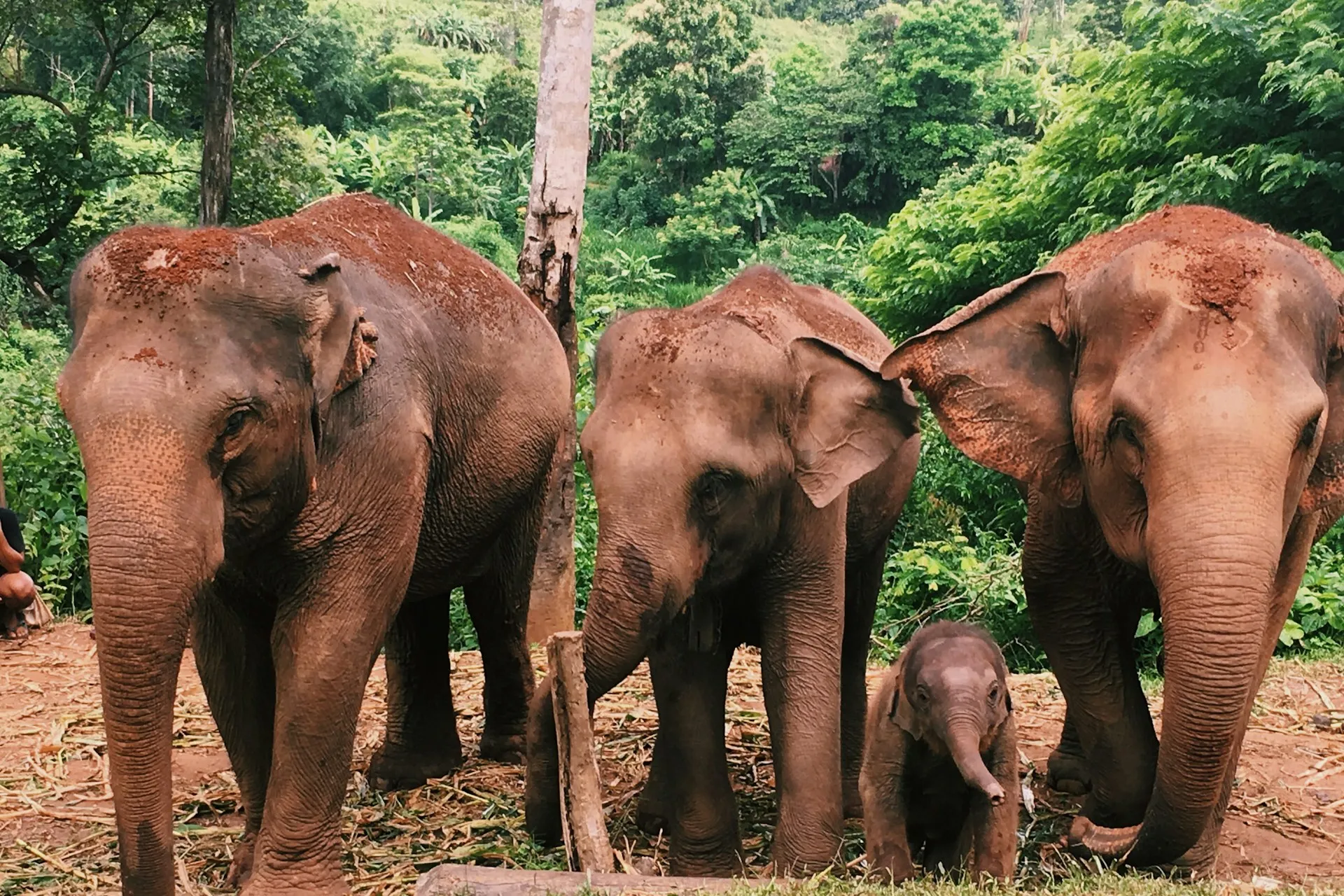
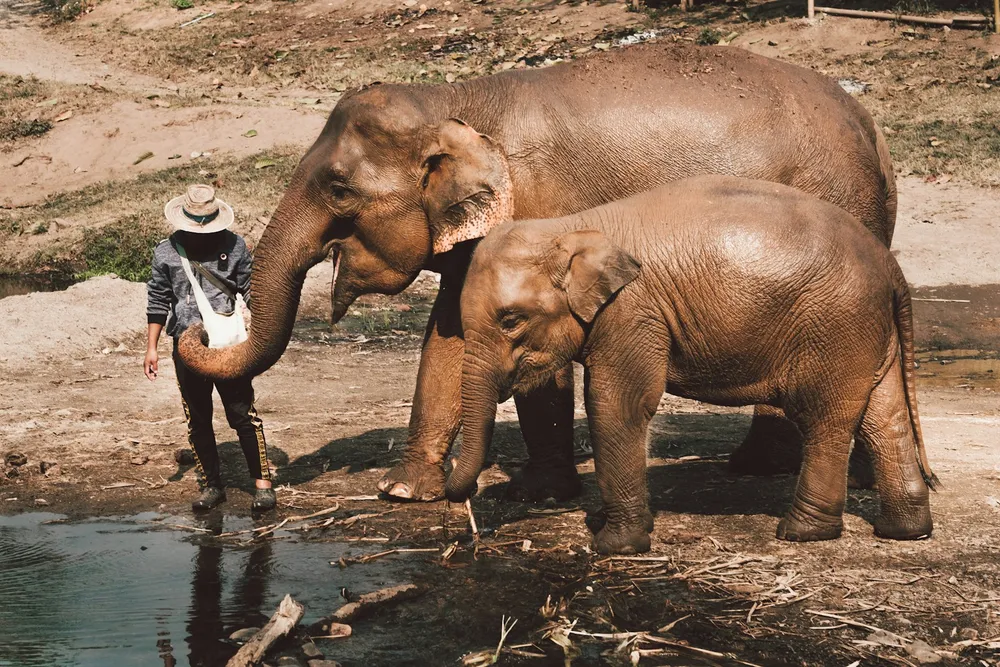
    Drive into the river valley north of the city for a day at an ethical elephant sanctuary: preparing baskets of fruit, walking with the herd through the grass and watching them bathe in the river, with no riding and no shows, just elephants being elephants.

  5. Phuket & Phang Nga Bay 5
    Days 8–10

    Phuket & Phang Nga Bay

    Fly south to the Andaman: a resort on one of Phuket's quieter western bays, a day by longtail and sea kayak among the limestone towers, caves and hidden lagoons of Phang Nga Bay, and a sunset over the sea from the old Sino-Portuguese streets of Phuket Town.

  6. Krabi & Railay 6
    Days 11–12

    Krabi & Railay

    Finish by boat around the bay to Krabi: the cliff-walled peninsula of Railay, reachable only by longtail, the emerald lagoon of Koh Hong and a last island day on the sand at Koh Poda before the flight home from Krabi or Phuket.

Every itinerary we build is bespoke: this is a starting point, not a package.

Getting around

By domestic flight

Bangkok → Chiang Mai in about 70 minutes

Thailand is nearly a thousand miles from top to bottom, so short, frequent flights are the backbone of most itineraries, linking Bangkok with Chiang Mai, Phuket, Krabi and Koh Samui's own little airport in an hour or so. We sequence the hops so you never backtrack.
By river, rail & private driver

Bangkok → Ayutthaya in about 90 minutes

Ayutthaya is an easy day up the Chao Phraya by boat, by train or with a driver, and in Bangkok itself the Skytrain, metro and express river boats beat the traffic. In the north, a private driver-guide opens up the hills, the sanctuaries and the villages beyond the city.
By longtail, ferry & speedboat

Phuket → Koh Phi Phi in about an hour by speedboat

On the coast the boats are the point: wooden longtails for the bays and beaches around Krabi, speedboats and ferries between Phuket, Phi Phi and Lanta, and a short ferry or flight for the Gulf islands. We book private boats where it counts, so the lagoons are yours before the crowds.

Where to stay

Bangkok
Bangkok
We favor the riverside, where the grand hotels along the Chao Phraya put the temples and the express boats on your doorstep, or Sukhumvit and Silom for the Skytrain, the rooftop bars and the restaurant scene; a night or two in the old city by the Grand Palace suits anyone who wants to be first through the gates.
Chiang Mai
Chiang Mai
A boutique hotel inside the moated old city keeps the temples, the Sunday walking street and the best khao soi within a stroll, while the resorts along the Ping River and in the countryside toward Mae Rim trade walkability for gardens, rice paddies and the hills at your window.
Phuket & Krabi
Phuket & Krabi
On Phuket we steer toward the quieter west-coast bays such as Kamala, Surin and the beaches north of Patong, where the big resorts sit on their own sand; around Krabi, Ao Nang is the practical base for the islands and Railay, reached only by boat, is the romantic one.
Koh Samui
Koh Samui
Chaweng and Lamai carry the restaurants and nightlife, while the north coast around Bophut and Maenam is calmer and more village-like, with the island's pool villas and spa resorts scattered along both; we match the base to whether you want a buzz or a hammock.
Ayutthaya
Ayutthaya
Most travelers see Ayutthaya as a day from Bangkok, but an overnight in one of the riverside boutique hotels, or aboard a converted teak rice barge moored on the Chao Phraya, lets you have the ruins at dawn and dusk when the light is soft and the coaches have gone.

Internal flights, river journeys, private drivers and the island boats — timed around the tides and the season — are all arranged as part of every itinerary, so the logistics are handled before you arrive.

Good to know

Thailand travel questions.

How many days do you need in Thailand?

Ten to fourteen nights is the sweet spot. Twelve nights comfortably covers Bangkok, a day at Ayutthaya, three or four nights in Chiang Mai and a proper beach finale on the Andaman coast or Koh Samui; two full weeks lets you add Chiang Rai and the Golden Triangle, a second island or a slower pace throughout. Flights are short, so the country is easier to cover than its length suggests.

When is the best time to visit Thailand?

November through February is the cool, dry prime, with December and January the most reliable months everywhere. March is hot but fine, April is hottest and the month of Songkran, and the monsoon runs roughly June to October, wettest in September and October. The Gulf coast runs in reverse: Koh Samui is at its best from January through August and wettest in October and November, which is why a summer trip pairs Bangkok and the north with a Gulf island rather than Phuket.

Phuket, Krabi or Koh Samui: which beach should I choose?

It depends on the season and the mood. Phuket has the widest choice of resorts, the airport and the easiest access to Phang Nga Bay; Krabi is more dramatic, with limestone cliffs, the boat-only beaches of Railay and smaller islands close offshore; Koh Samui is polished and villa-rich with a calmer Gulf setting and a dry window through the summer. From November to April we lean Andaman, from June to August we lean Samui, and with two weeks we often pair one of each.

Is Thailand a good destination for families?

One of the best in Asia. Distances are short by air, the food is easy to love, the Thai welcome toward children is warm and genuine, and the mix of temples, elephants, cooking classes, longtail boats and beaches keeps every age engaged. We pace family itineraries with pool time and shorter sightseeing mornings, choose resorts with kids' facilities and shallow bays, and schedule the heat-sensitive sights early in the day.

Can I see elephants in Thailand ethically?

Yes, if you choose carefully. We work only with sanctuaries that do not allow riding, do not use bullhooks or chains during visits and do not stage performances; the better ones now keep human contact to a minimum, so the day is about observing the herd as it feeds, walks and bathes rather than handling the animals. Chiang Mai's river valleys have the widest choice, and we brief you fully on what to expect and why it matters.

What should I know about temple etiquette and dress?

Thai temples are active places of worship, and the Grand Palace in particular enforces its dress code strictly: shoulders and knees covered for everyone, no sheer or ripped clothing, and shoes removed inside the halls. Never point your feet at a Buddha image or climb on one for a photo, keep your voice low, and step over rather than on the raised thresholds. A light scarf and a pair of long, loose trousers in your day bag solve most of it, and your guide will steer you through the rest.

Let's begin

Design your
Thailand escape.

Tell us your travel dates and what you love, and we'll handle every detail.

Plan Your Trip