




Chiang Mai & the North
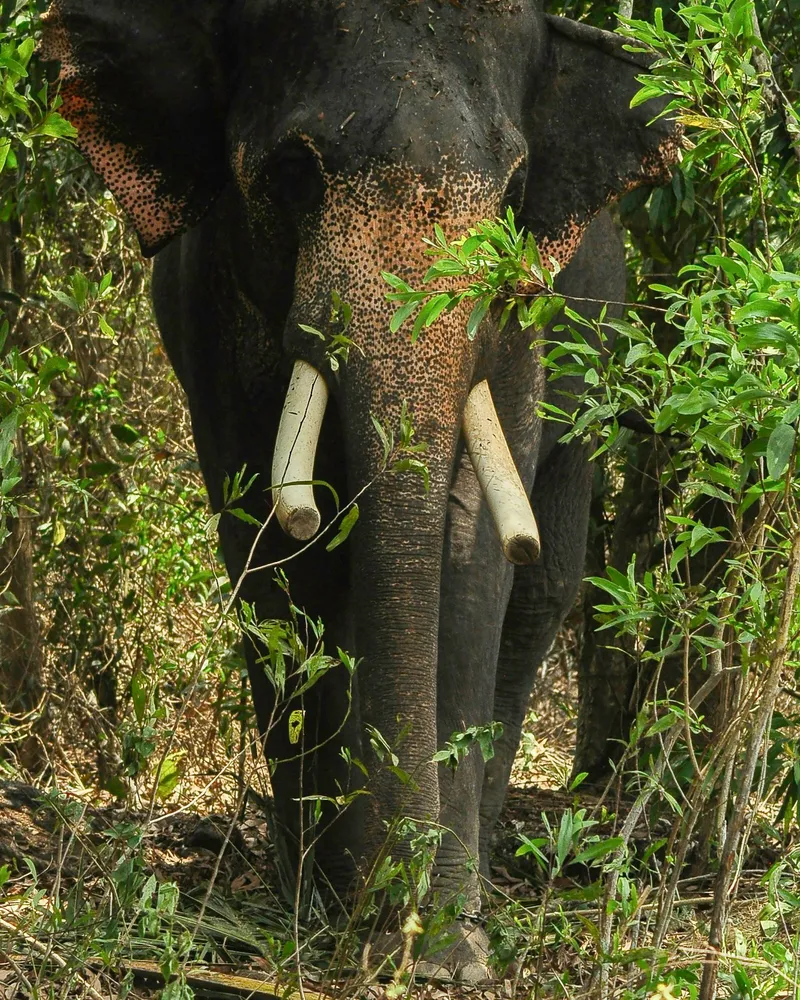
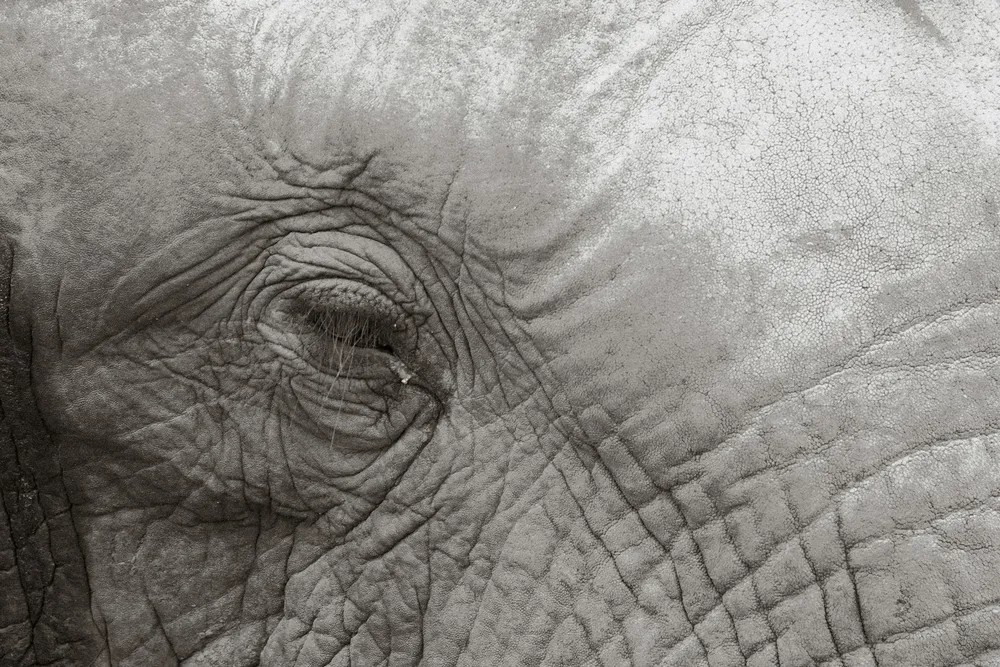
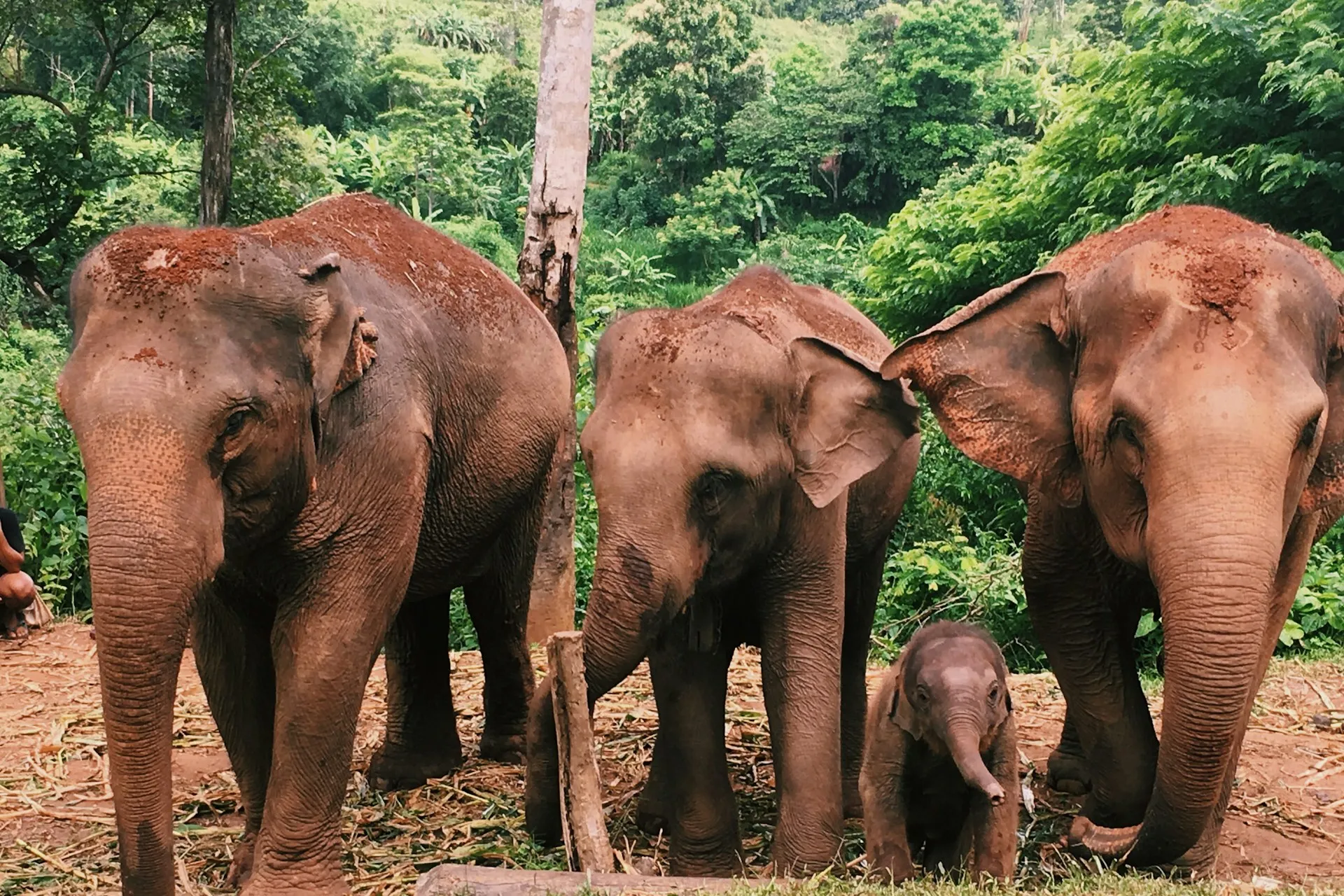
The elephant is the national animal of Thailand, carved on its temples, printed on its old coins and woven through its history as the mount of kings and the engine of its teak forests. When commercial logging was banned in 1989, thousands of working elephants and their mahouts were suddenly without a living, and most drifted into tourism: street begging in the cities, painting tricks, circus-style shows and, above all, rides in a heavy wooden saddle. In the past two decades a quiet revolution has taken place, led from the hills around Chiang Mai, and a growing number of sanctuaries now offer something far better: a day spent simply watching elephants live.
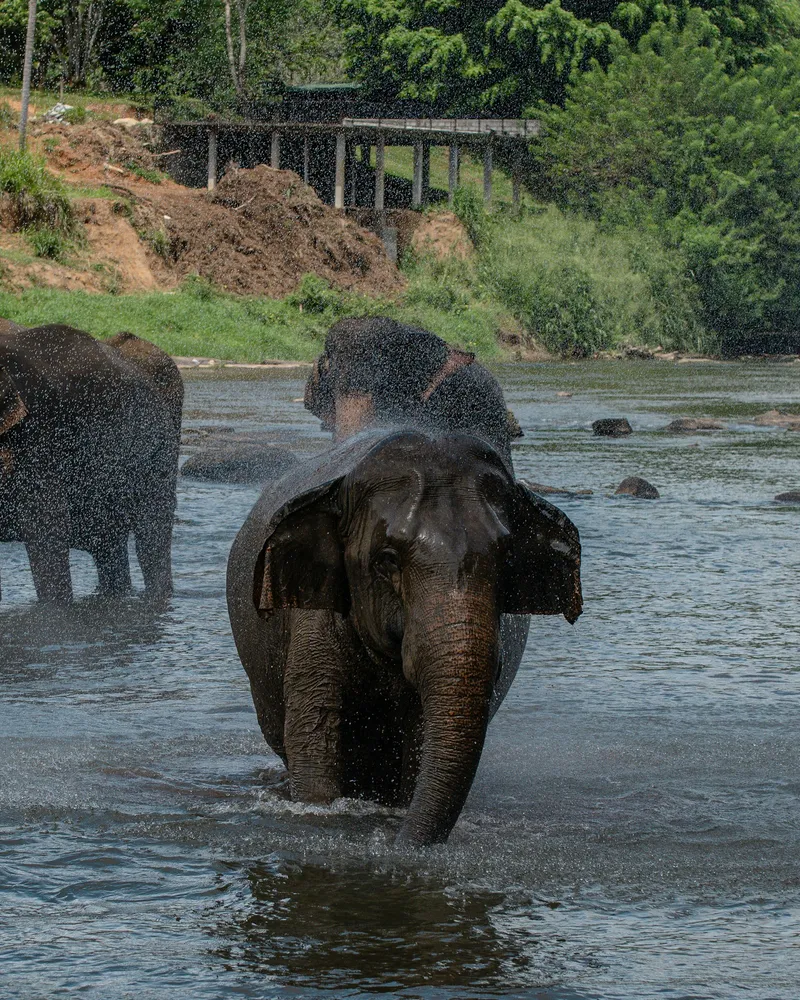
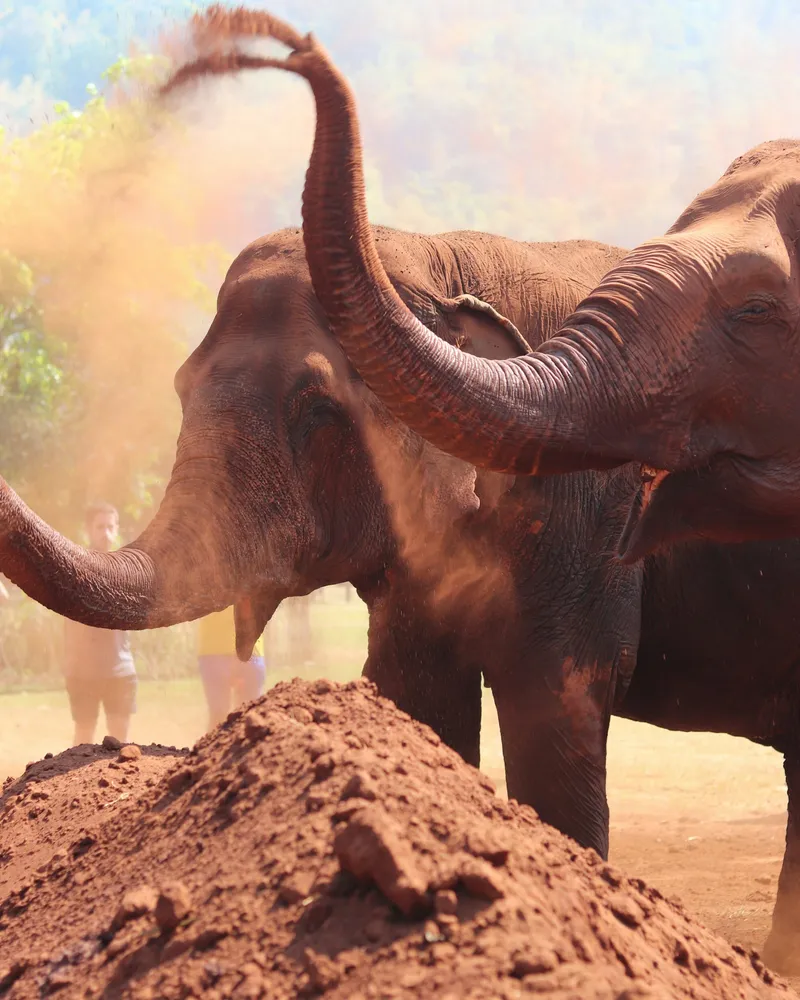
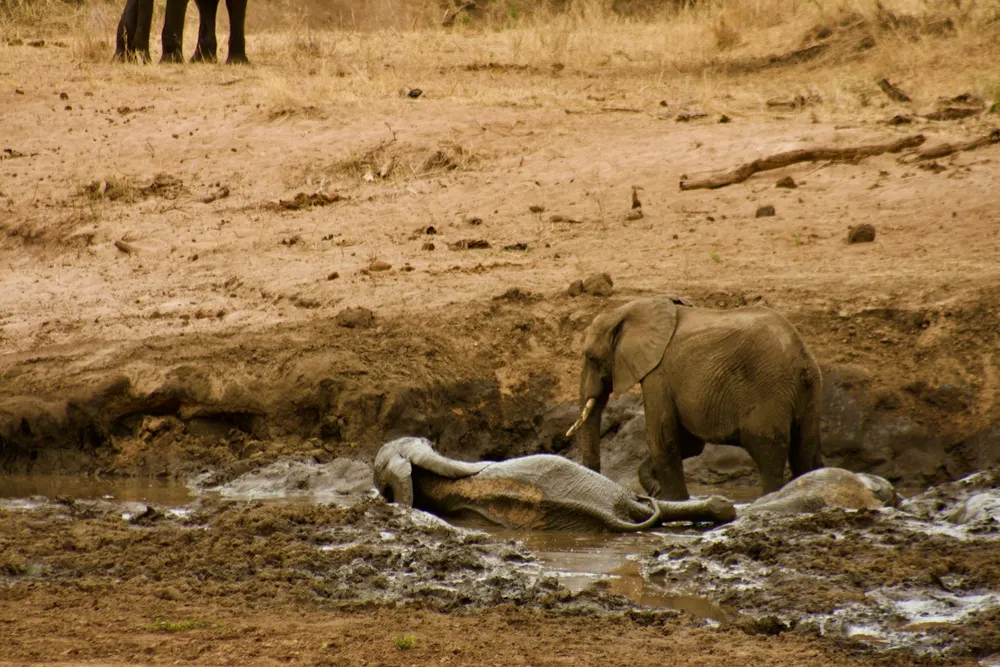
The best of them lie in the Mae Taeng valley, an hour or so north of the city, where the river winds between forested hills and the rescued herds roam open pasture. You arrive in the morning and help prepare the day's food, baskets of bananas, sugarcane and watermelon, then walk out with the guides to find the herd. The elephants come to you if they choose, trunks reaching for the fruit, and you follow at a respectful distance as they graze, dust themselves, nap in the shade and finally wade into the river to bathe, rolling and spraying with an evident pleasure that needs no commentary. A simple vegetarian lunch is served on a veranda above the valley, and the afternoon is more of the same, at the herd's pace rather than yours.
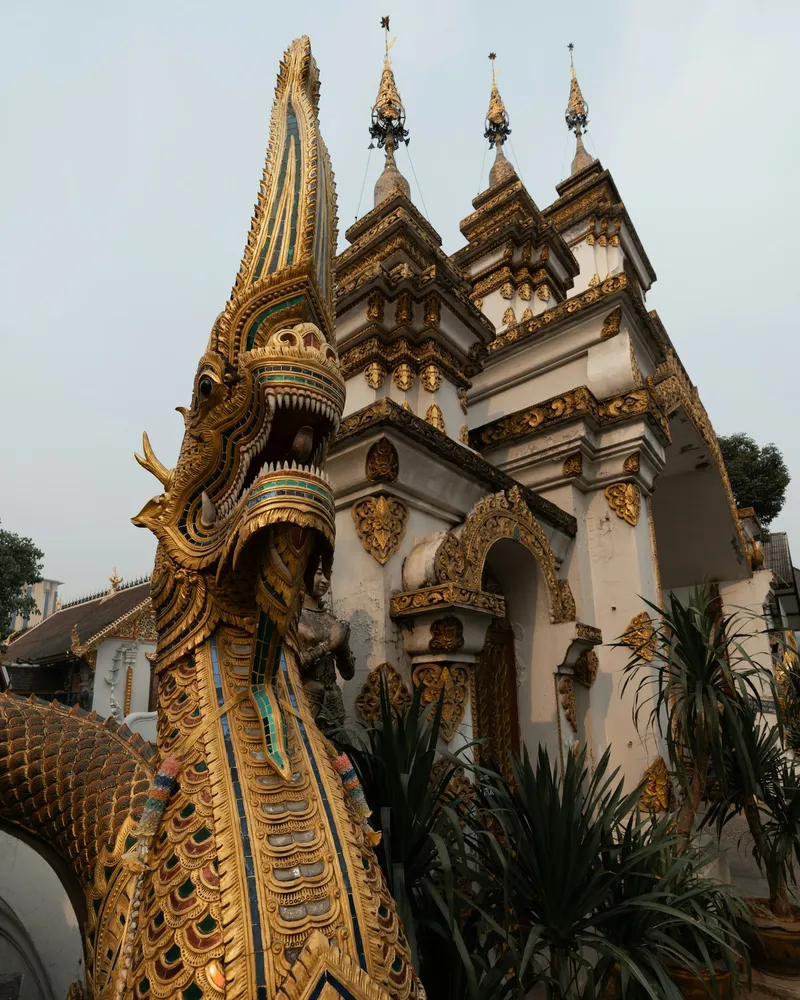
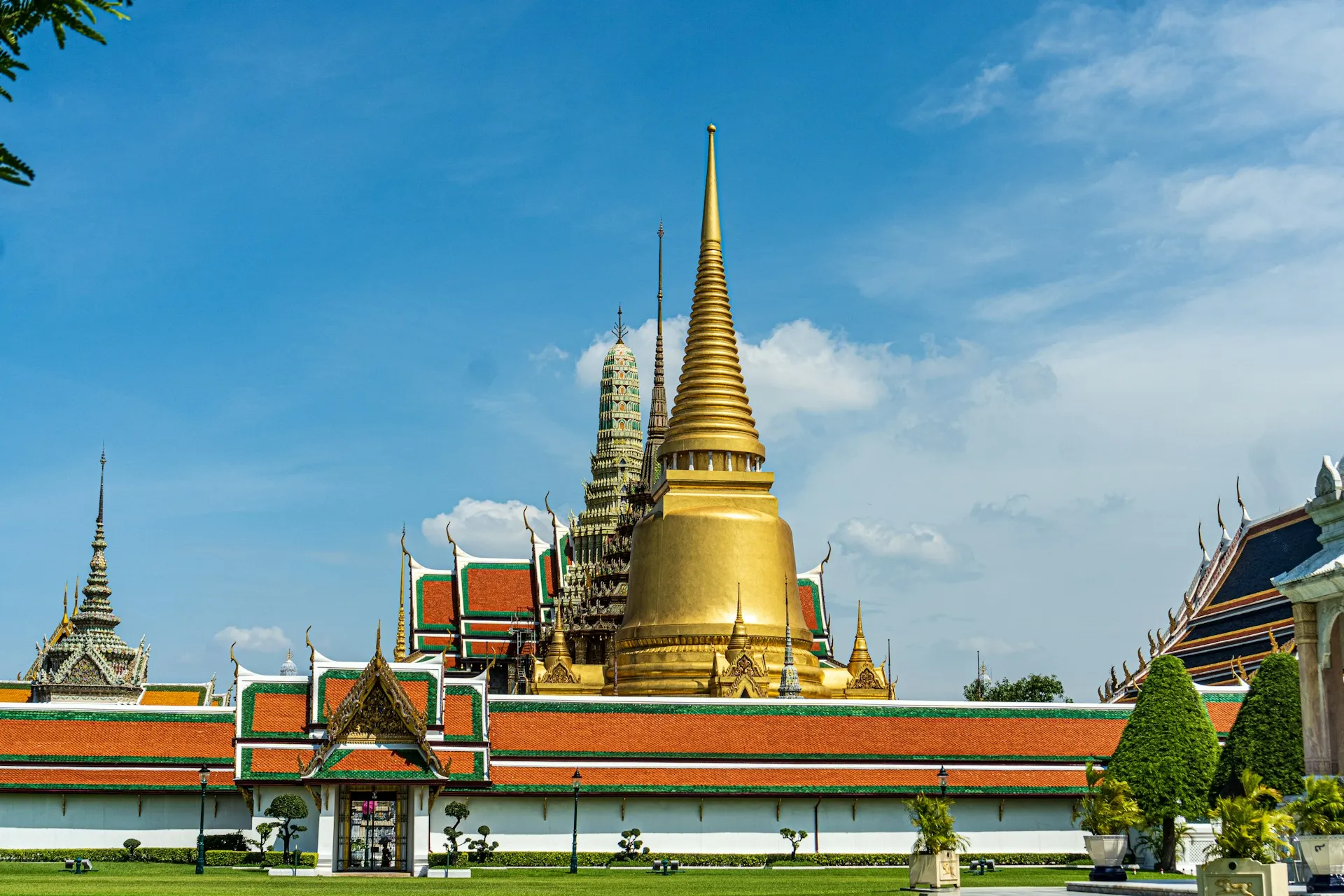
We are careful about where we send travelers. The sanctuaries we work with do not allow riding, do not use bullhooks or chains during visits and stage no performances, and the most progressive have moved to a fully observation-based model, with no bathing or hand-feeding at all, which is what the elephants' welfare asks for. It is a day that families and animal lovers tell us was the high point of Thailand, and we fold it into every Chiang Mai stay, paired with the temples of the old city and the green hills beyond.